




What's Happening?
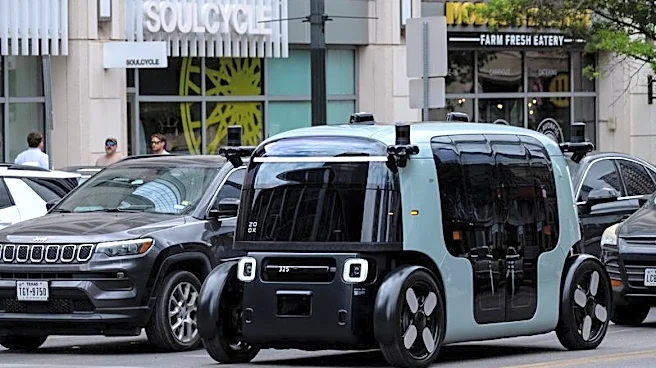
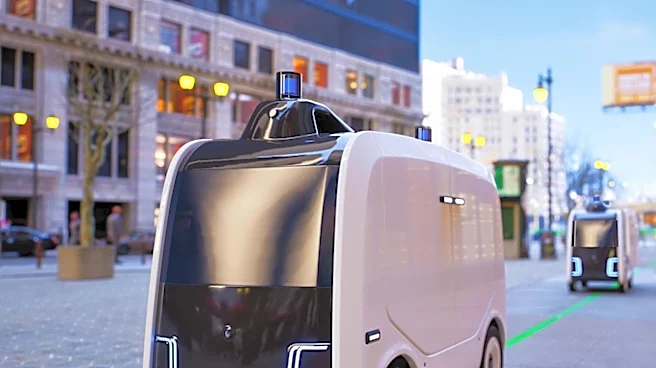
Federal regulators have approved the operation of robotaxis without manual controls such as steering wheels, marking a significant step in the evolution of autonomous vehicle technology. Amazon's Zoox, a fully autonomous vehicle, has been granted permission
to charge customers for rides in its specially designed cars, which feature four inward-facing seats. These vehicles have been offering free rides in Las Vegas and San Francisco since last year. The National Highway Traffic Safety Administration (NHTSA) is also considering a proposal to allow robotaxis to operate without brake pedals. This move is part of an effort to update regulations to accommodate the advancements in autonomous vehicle technology. However, concerns about safety remain, as some groups argue that there is insufficient data to prove the safety of these vehicles on public roads.
Why It's Important?
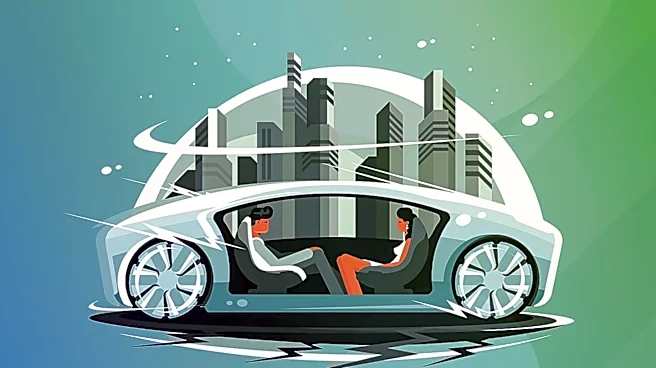
The approval of robotaxis without steering wheels represents a major milestone in the development of autonomous vehicles, potentially transforming the transportation industry. This technology promises to reduce human error, which is a leading cause of accidents, by eliminating issues such as distracted or drunk driving. The move could lead to significant changes in urban mobility, reducing the need for personal car ownership and potentially decreasing traffic congestion. However, the safety of these vehicles remains a concern, as incidents involving autonomous cars have been reported. The lack of comprehensive crash data makes it difficult to assess the safety record of these vehicles, raising questions about their readiness for widespread deployment.
What's Next?
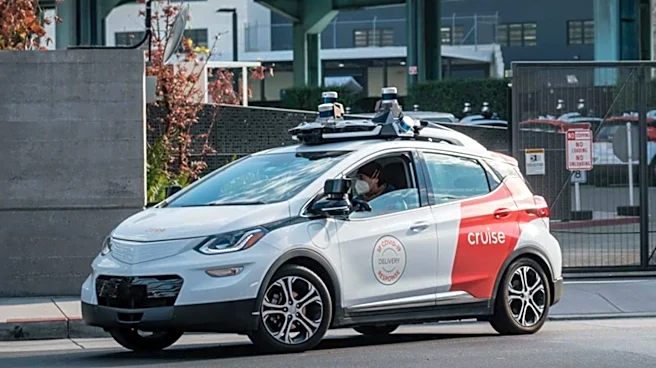
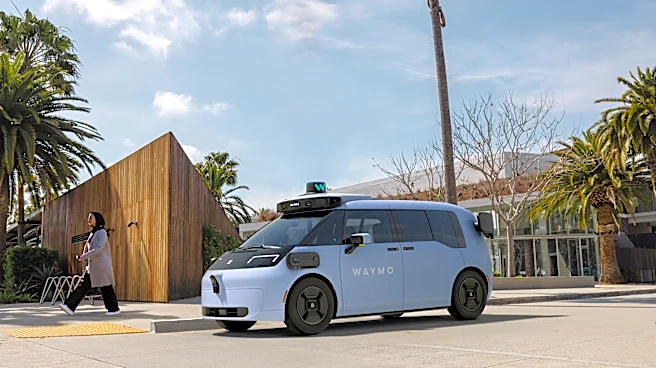
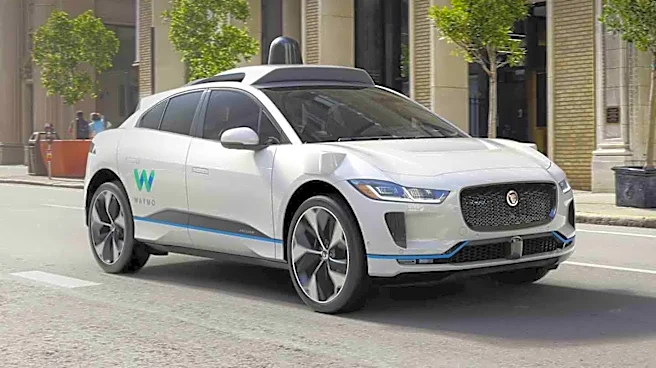
As Zoox and other companies like Tesla and Waymo continue to develop and deploy autonomous vehicles, regulatory bodies will need to establish clear safety standards and reporting requirements. The NHTSA's pending proposal to allow robotaxis without brake pedals will be closely watched, as it could further accelerate the adoption of autonomous vehicles. Companies will need to address safety concerns and provide transparent data to build public trust in this technology. The expansion of robotaxis could also prompt changes in urban planning and public transportation systems, as cities adapt to the new mobility landscape.