




What's Happening?
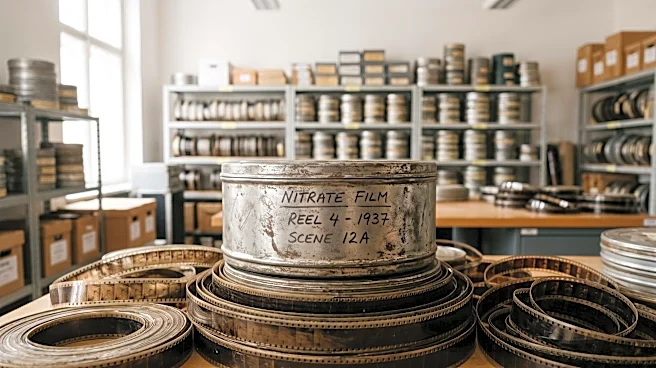
Hundreds of Civil War-related silent films released between 1910 and 1929 are now considered lost, with only about 14 percent of all silent films surviving in their original format. This significant loss is attributed to the early film industry's view
of movies as disposable entertainment, leading to reels being discarded after theatrical runs or due to the highly combustible nature of nitrate film. Notable lost films include 'Chattanooga' (1912), 'The Battle of Gettysburg' (1913), and 'The Battle of Shiloh' (1913), which featured dramatic battle reenactments. While some scenes from 'The Battle of Gettysburg' were reused in the extant 'Cohen Saves the Flag,' the full versions of these early epics are no longer viewable. The enduring fame of D. W. Griffith’s 1915 'The Birth of a Nation' is partly due to its survival, allowing speculation about the quality of other lost films. Recent discoveries, such as 'The Heart of Lincoln' in 2024, offer a glimpse into what has been lost and underscore the importance of film archiving.
Why It's Important?
The widespread loss of early Civil War films represents a significant gap in cinematic history and cultural understanding. These films provided the first visual interpretations of a pivotal period in American history for audiences, including veterans and their descendants. Their disappearance means that a crucial part of how the Civil War was initially portrayed and understood by the public is now inaccessible. This loss also impacts the study of early filmmaking techniques, narrative development, and the evolving relationship between historical accuracy and dramatic storytelling in cinema. The tension between historical fidelity and sensationalism, evident even in early reviews of films like 'The Battle of Gettysburg,' highlights ongoing debates in historical representation. The lack of these films prevents contemporary audiences and scholars from fully appreciating the artistic and historical context of early American cinema and its engagement with national memory.
What's Next?
The ongoing efforts in film digitization and archiving are crucial for preserving the remaining silent films and potentially rediscovering lost works. As evidenced by the recent finding of 'The Heart of Lincoln,' there is still hope that more lost films may be recovered from archives or private collections. Continued investment in film preservation technologies and historical research can help piece together a more complete picture of early cinema. This includes cataloging existing fragments, analyzing newspaper advertisements and trade magazines for clues about lost films, and promoting public awareness about the importance of film heritage. The rediscovery of lost films could lead to new academic insights into early American culture, the evolution of cinematic language, and the historical memory of the Civil War.
Beyond the Headlines
The story of lost Civil War films extends beyond mere cinematic preservation; it reflects broader societal attitudes towards media and history. The early treatment of films as disposable entertainment contrasts sharply with modern efforts to preserve digital and physical media, highlighting a shift in cultural values regarding historical records. The loss also underscores the fragility of cultural heritage and the challenges of maintaining historical narratives across generations. Furthermore, the content of these lost films, often drawing on popular plays and novels of the time, would offer invaluable insights into the popular culture and collective consciousness of early 20th-century America. Their absence leaves a void in understanding how historical events were interpreted, mythologized, and consumed by the public, influencing subsequent generations' perceptions of the Civil War and American identity.