



What's Happening?
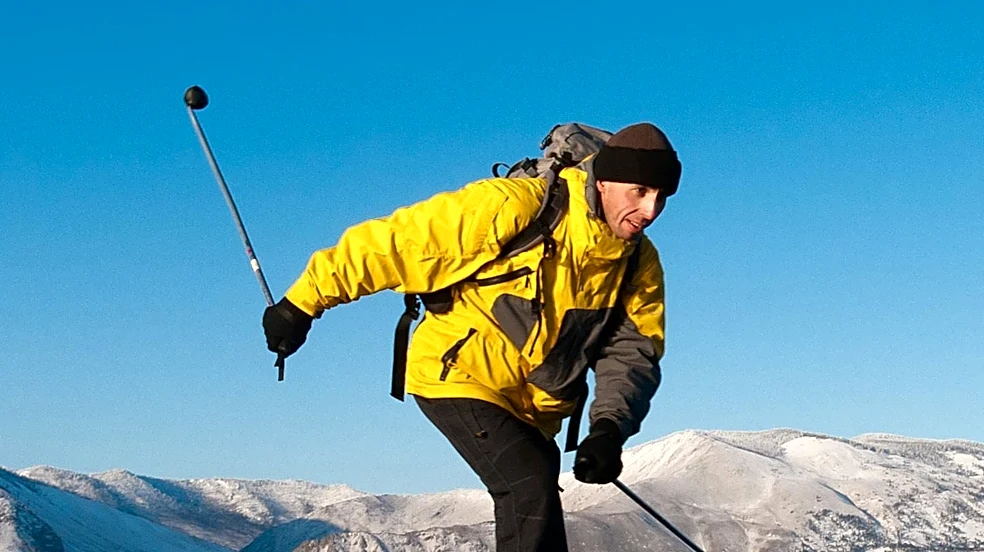
Ski fitness programs are designed to improve endurance, strength, balance, and overall conditioning for skiers, aiming to allow them to ski longer, stay fresher, and enjoy the slopes more. These programs typically focus on training legs, balance, and core
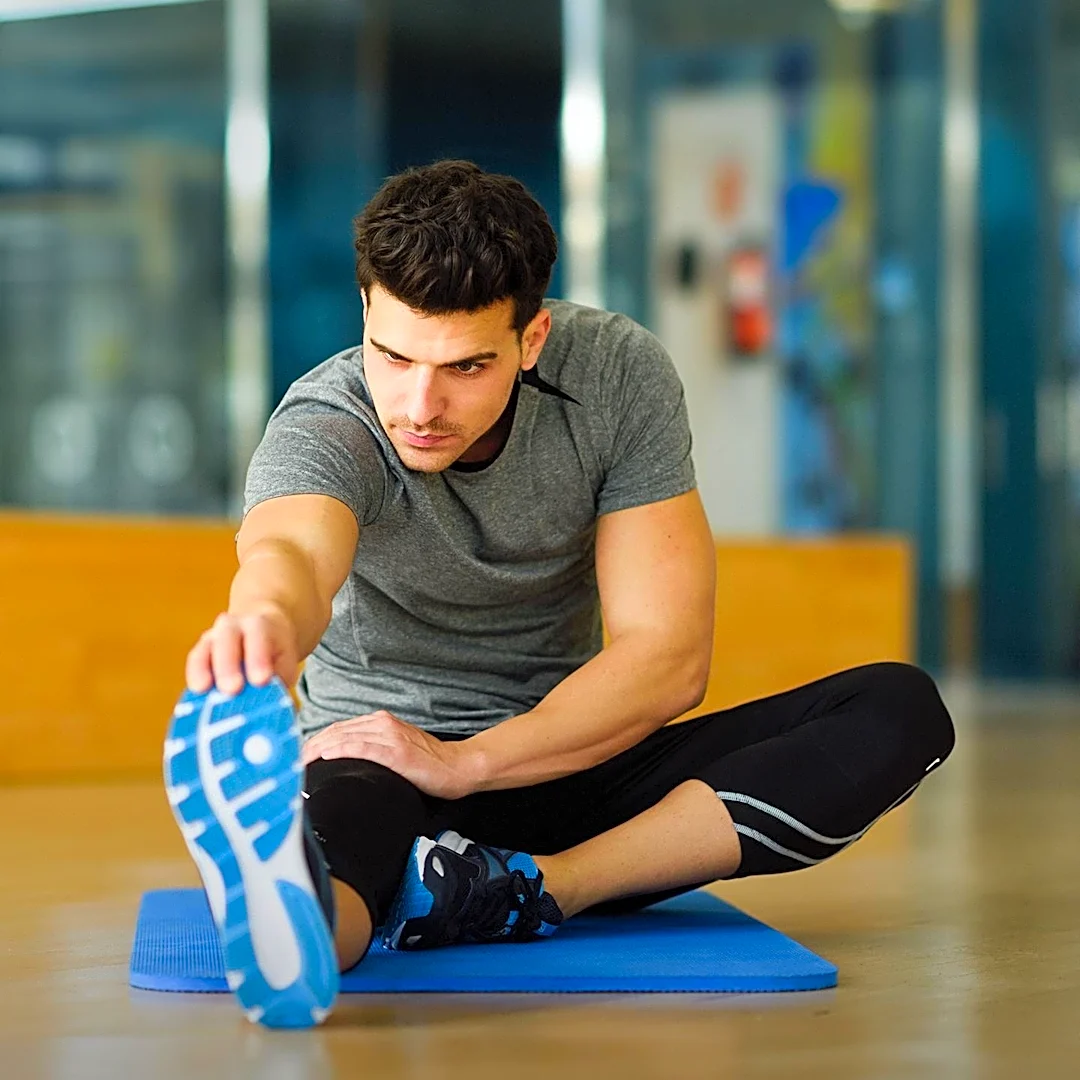
muscles, alongside cardiovascular exercises such as jogging. The goal is to prepare skiers adequately for the demands of the sport without causing exhaustion before the season begins. A key aspect of ski fitness is injury prevention, as improved strength, mobility, and endurance can contribute to better control on the slopes. Skiers are advised to start gradually, prioritize good technique, and seek professional medical advice if they have existing injuries, medical conditions, or are new to exercise. Simple, progressive training plans, often spanning six weeks, are recommended, and tools like ski simulators can also be beneficial. Additional recommendations include stretching hips and calves, training weaker sides of the body, and ensuring adequate rest before travel to arrive refreshed for skiing.
Why It's Important?
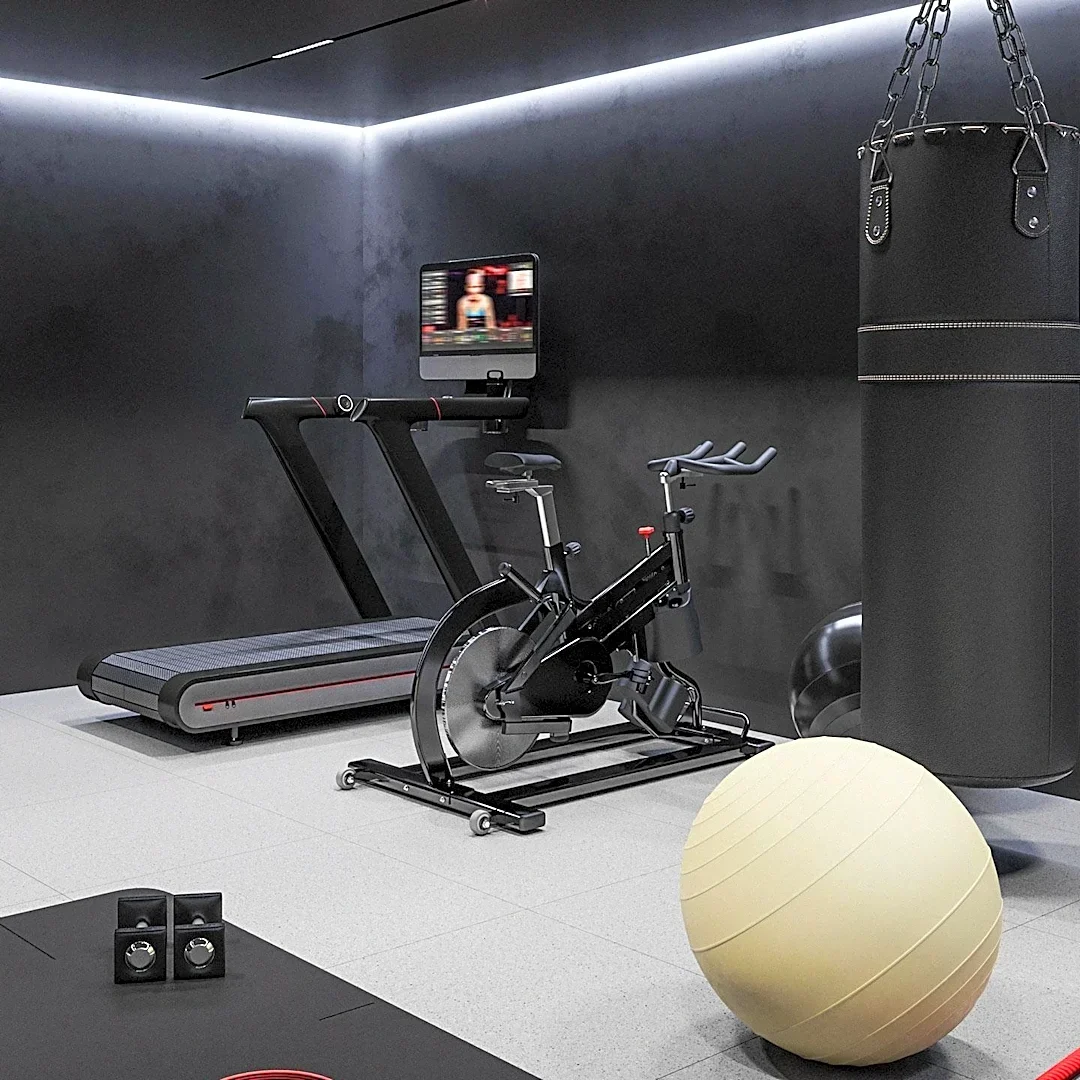
The emphasis on ski fitness is crucial for the safety and enjoyment of individuals participating in winter sports across the U.S. By focusing on physical preparation, skiers can significantly reduce their risk of injury, which in turn can decrease the burden on healthcare systems and emergency services in ski resort areas. For the winter sports industry, promoting ski fitness can lead to more positive experiences for participants, potentially increasing repeat visits and overall engagement with skiing and snowboarding. This also supports a healthier, more active lifestyle among the population, aligning with broader public health initiatives. Furthermore, for competitive athletes, enhanced fitness directly translates to improved performance and a competitive edge. The accessibility of at-home fitness routines means that preparation is not limited to those with gym memberships, making injury prevention and performance enhancement attainable for a wider demographic of skiers.
What's Next?
As the ski season approaches, more individuals are expected to engage in pre-season fitness routines. Ski resorts and related businesses may increasingly promote fitness programs and warm-up techniques to enhance visitor experience and safety. Physical therapists and sports medicine professionals will likely continue to offer specialized advice and programs tailored to skiers, particularly for those with pre-existing conditions or those returning to the sport. Educational campaigns focusing on the benefits of gradual progression, proper technique, and the importance of rest will also be vital. The integration of technology, such as ski simulators and fitness tracking apps, could become more prevalent in helping skiers monitor and improve their conditioning. Additionally, there may be a continued focus on research to further solidify the scientific evidence linking specific warm-up routines and fitness regimens to injury prevention in recreational snow sports.
Beyond the Headlines
Beyond the immediate benefits of improved performance and reduced injury risk, the focus on ski fitness highlights a broader cultural shift towards proactive health and wellness in recreational activities. It underscores the understanding that engaging in physically demanding sports requires deliberate preparation, moving beyond the traditional view of sports as purely leisure. This trend can foster a more responsible approach to outdoor recreation, encouraging participants to consider their physical capabilities and limitations. Ethically, it places a greater emphasis on individual responsibility for safety, while also prompting sports organizations and resorts to provide resources and guidance for safe participation. This holistic approach to sports engagement, integrating fitness, injury prevention, and enjoyment, could influence how other recreational activities are approached, promoting a culture of preparedness and well-being across various outdoor pursuits.