




What's Happening?
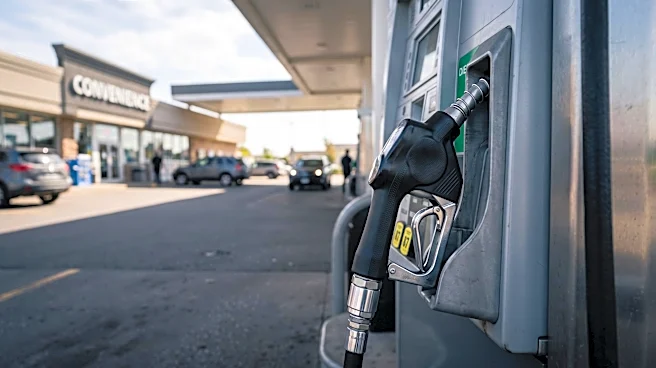
Circle K, one of the largest convenience store retailers in the U.S. with 7,260 stores nationwide, has relaunched its Inner Circle loyalty program. The updated program shifts from a spend-based model to a visit-based model, where members accrue 'Visits'
by pumping five gallons or more of gas or spending $3 or more inside the store. This change is designed to offer greater flexibility and value to its members, based on customer data indicating realistic spending thresholds. The original Inner Circle program, launched in 2023, had already attracted over 16 million customers. According to Rick Rasor, VP of loyalty and digital experience at Circle K, the transformation was influenced by shifts in customer behavior, the company's business objectives, and the broader marketplace, particularly the fuel market. The company also leverages enhanced data and technology capabilities to provide real-time communication and personalized challenges to its customers.
Why It's Important?
This strategic overhaul of Circle K's loyalty program is significant for the U.S. convenience store sector. By focusing on 'visits' rather than just spending, Circle K aims to increase customer frequency and engagement across its diverse offerings, extending value beyond fuel purchases. This move reflects a broader industry trend where convenience stores are competing with various retail formats, including quick-service restaurants and dollar stores. The ability to offer personalized rewards and maintain customer loyalty is crucial for market share. The program's emphasis on data-driven insights and real-time communication allows Circle K to tailor experiences and introduce customers to new products, potentially boosting in-store sales and overall customer lifetime value. This approach could set a new standard for loyalty programs in the convenience retail space, influencing how competitors design their own customer retention strategies.
What's Next?
Circle K plans to continue refining its Inner Circle program by deepening personalization efforts, leveraging purchase history data to send more relevant offers via SMS and mobile apps. The company envisions customers placing significant value on simplicity, and it will use data and new customer intelligence capabilities to help members make easier decisions within the program. The goal is to create an interconnected consumer offer that can integrate various aspects of Circle K's global brand, potentially crossing borders in the future to reach consumers in new ways. The company will track customer growth, engagement, and visit frequency, as well as the number of categories purchased and digital channels engaged by members, to measure the program's success and inform future adjustments.
Beyond the Headlines
The evolution of Circle K's loyalty program highlights a fundamental shift in retail strategy towards understanding and adapting to dynamic consumer behavior. The move to a 'visit-based' currency underscores a recognition that customer engagement is not solely about transaction size but also about frequency and interaction across multiple touchpoints. This approach has broader implications for how businesses in competitive sectors can foster brand loyalty in an increasingly fragmented market. By prioritizing customer flexibility and value, and by using advanced data analytics, Circle K is not just optimizing its loyalty program but also building a more resilient and responsive business model. This could lead to a re-evaluation of traditional loyalty metrics across the retail industry, emphasizing holistic customer engagement over simple transactional rewards.