




What's Happening?
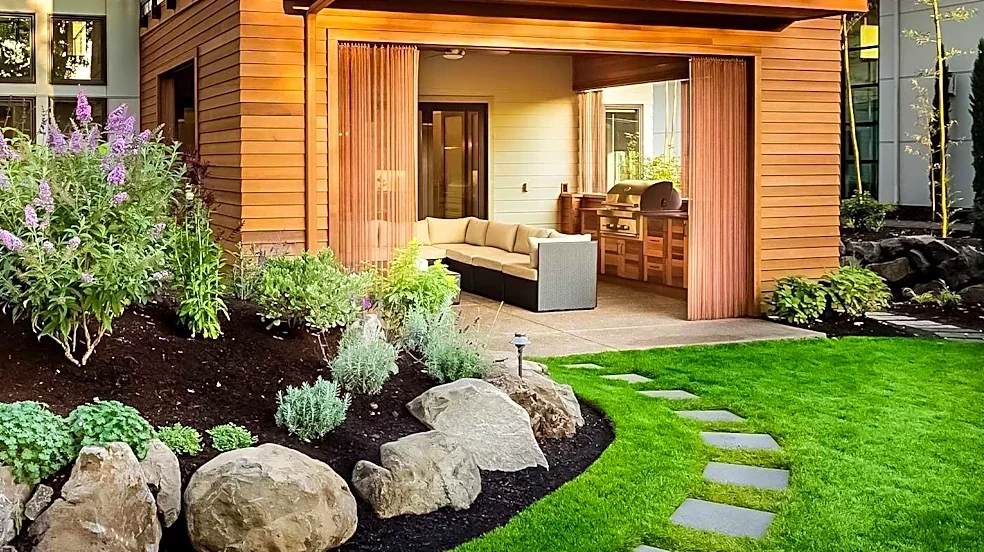
Current trends in backyard landscaping are focusing on creating distinct, usable outdoor spaces rather than undifferentiated patches of ground. Designers are employing various techniques, including hardscaping, strategic planting, and furniture placement,
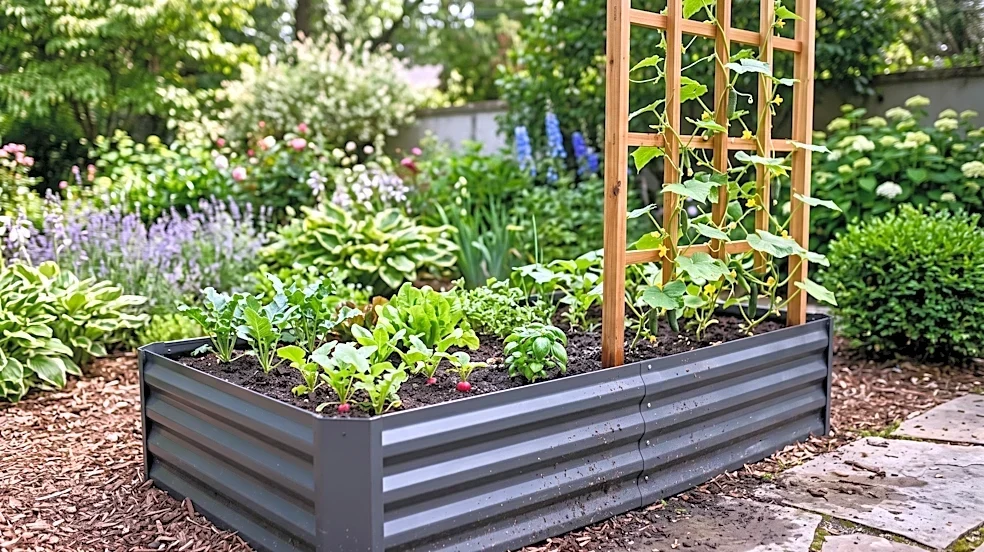
to delineate areas for dining, lounging, cooking, and recreation. The goal is to ensure each zone serves a specific purpose and feels complete, even without full enclosures. Examples include using changes in flooring materials, low walls, pergolas, clipped hedges, and even precisely mown strips of grass to establish boundaries. This approach allows multiple activities to coexist harmoniously within a single backyard, preventing the space from feeling cluttered or undefined. The emphasis is on thoughtful design that considers how people will use the space, integrating elements like outdoor kitchens, fire pits, and seating areas into a cohesive plan.
Why It's Important?
This shift in landscaping philosophy is important for U.S. homeowners as it transforms backyards into more functional and valuable extensions of their living spaces. By clearly defining areas, properties can maximize their utility for entertaining, relaxation, and family activities, potentially increasing home value and appeal. For the landscaping industry, this trend drives demand for integrated design services, specialized hardscaping materials, and diverse plant selections that contribute to structural definition. It also encourages innovation in outdoor furniture and amenity design. Homeowners benefit from more organized and enjoyable outdoor environments, while businesses in construction, design, and retail sectors see opportunities for growth in providing these tailored solutions. The focus on purposeful design also promotes more efficient use of space, which is particularly relevant in areas with smaller lot sizes.
What's Next?
The trend towards highly defined and functional backyard spaces is expected to continue, with increasing integration of smart home technology for lighting, irrigation, and entertainment systems. We may see a greater emphasis on sustainable and low-maintenance designs that still achieve clear spatial separation, possibly incorporating more native plants and water-wise landscaping techniques. Designers will likely explore more innovative materials and modular outdoor structures to offer flexible and customizable solutions. Homeowners will continue to seek professional guidance to create these complex, multi-functional outdoor environments, driving further specialization within the landscape design and construction sectors. The market will likely see more products designed specifically for outdoor 'rooms,' such as weather-resistant cabinetry, specialized outdoor appliances, and durable, stylish furniture that complements architectural styles.
Beyond the Headlines
Beyond the immediate aesthetic and functional benefits, this landscaping approach reflects a broader cultural shift towards valuing outdoor living and integrating nature more seamlessly into daily life. It highlights a desire for intentional design that enhances well-being and provides dedicated spaces for various activities, mirroring the way interior spaces are organized. This trend also underscores the growing importance of a home's exterior as a key component of its overall lifestyle offering, influencing real estate values and buyer preferences. Ethically, it encourages responsible land use and thoughtful consideration of environmental impact through material choices and planting strategies. The emphasis on creating 'outdoor rooms' blurs the lines between indoor and outdoor living, potentially influencing architectural design to incorporate larger openings, seamless transitions, and integrated views, fostering a deeper connection between residents and their natural surroundings.