
What's Happening?
Jane Street Group has disclosed a 5.9% passive stake in TeraWulf, a bitcoin mining company that has increasingly diversified into leasing data center capacity for AI and high-performance computing (HPC).
The stake, totaling 29,658,142 shares of common stock, was reported in a Schedule 13G filing with the SEC on Thursday, November 27, with the event date being November 20. The majority of the position, 24,067,311 shares (4.8%), is held by Jane Street Capital, classified as a broker-dealer. Jane Street Global Trading holds an additional 5,590,437 shares (1.1%), and Jane Street Singapore holds 394 shares. Jane Street Group, the parent company, reported shared voting and dispositive power over all these shares. The filing, made under Rule 13d-1(c), indicates that the shares were acquired for passive investment purposes and not to influence the control of TeraWulf. TeraWulf's third-quarter results showed that HPC leases accounted for 83% of its revenue, with Google reportedly backing lease obligations at its Kentucky site, which is leased to Anthropic.
Why It's Important?
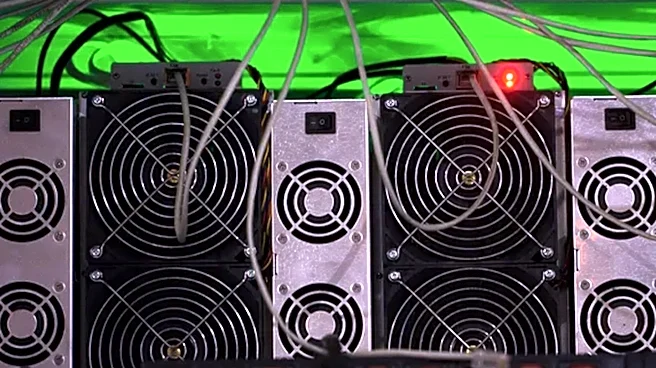
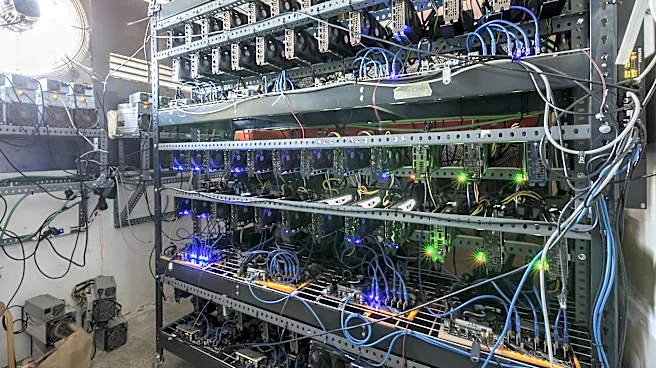
This disclosure by Jane Street signals growing institutional interest in companies like TeraWulf that are successfully transitioning from pure-play bitcoin mining to AI and HPC infrastructure providers. The significant shift in TeraWulf's revenue, with HPC leases making up 83% of its income, underscores a broader trend within the bitcoin mining industry. Miners are leveraging their existing infrastructure—massive power contracts, industrial cooling, and strategically located facilities with cheap electricity—to cater to the burgeoning demand for AI compute. This pivot offers a more stable and predictable revenue stream compared to the volatile nature of bitcoin mining, which is subject to cryptocurrency price fluctuations and block reward halvings. For investors, this re-rates these companies from speculative crypto plays to technology infrastructure firms, potentially attracting a wider range of institutional capital seeking exposure to the AI boom. The involvement of major players like Google and Anthropic further validates the viability and growth potential of this hybrid business model.
What's Next?
The increased institutional ownership, as evidenced by Jane Street's stake, could lead to greater market confidence and potentially influence TeraWulf's stock performance. As more bitcoin miners explore or expand into AI and HPC services, similar investment disclosures from other financial institutions may follow, further solidifying this industry transformation. TeraWulf is likely to continue expanding its AI and HPC leasing operations, potentially securing more long-term contracts with AI companies. This strategic shift could also prompt other bitcoin miners to accelerate their diversification efforts, leading to increased competition in the AI data center market. The market will be watching for further financial results from TeraWulf and its peers to assess the long-term profitability and sustainability of this hybrid model, particularly how it balances bitcoin mining revenue with AI infrastructure income. Future SEC filings from other institutional investors will also be key indicators of market sentiment towards this evolving sector.
Beyond the Headlines
The pivot by bitcoin miners to AI infrastructure has profound implications beyond immediate financial gains. It highlights a critical convergence of two energy-intensive industries: cryptocurrency mining and artificial intelligence. This shift redefines the operational identity of these companies, transforming them from single-purpose crypto entities into diversified technology infrastructure providers. Ethically, it raises questions about resource allocation, as megawatts previously dedicated to securing the Bitcoin network are now powering AI computations. This could indirectly impact Bitcoin's security budget if the hashrate becomes less responsive to price signals due to long-term AI contracts. Legally, the regulatory landscape for these hybrid entities may evolve, potentially requiring new frameworks that address both digital asset operations and data center services. Culturally, it signifies a maturation of the crypto industry, demonstrating its adaptability and ability to leverage its unique assets to meet broader technological demands, thereby integrating more deeply into the mainstream tech economy.