




What's Happening?
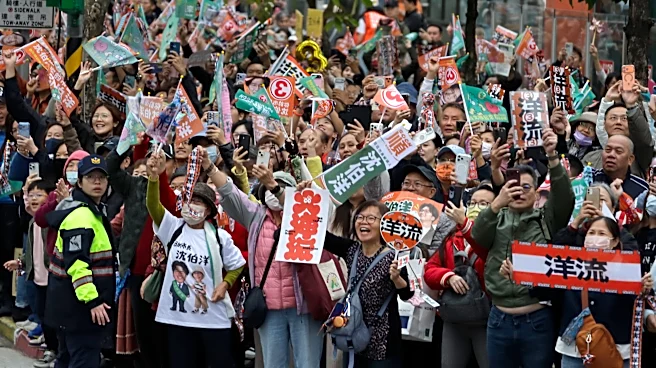
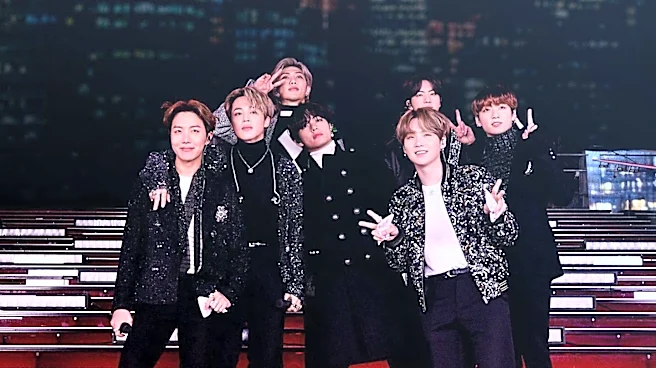
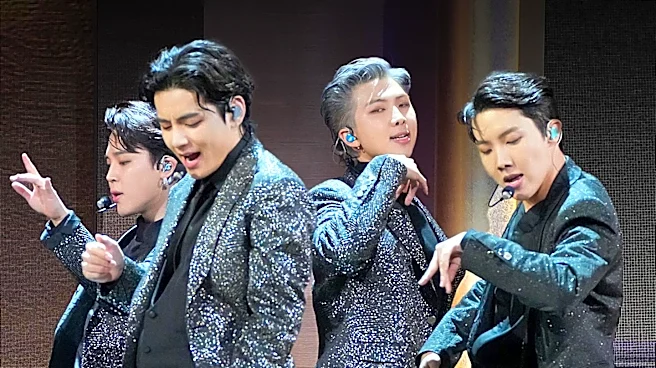
Following BTS's 'Arirang' world tour concerts in Kaohsiung, Taiwan, the Taiwanese BTS fandom, known as the Army, initiated a 'Sea Turtle Strategy' campaign. This fan-led effort encourages members to maintain distance from the bandmates outside of official
schedules, respecting their privacy. The campaign draws inspiration from Taiwan's Wildlife Conservation Act, which imposes penalties for harassing protected sea turtles. Fans circulated guidelines on social media, advising against approaching band members during private time, sharing real-time photos or sightings, screaming, or interfering with staff. The initiative also includes a charitable component, where fans who encounter BTS members are encouraged to donate to social welfare organizations. Taiwan's Minister of Health and Welfare, Shih Chung-liang, praised the charity campaign, urging verification of registered organizations. BTS members, including Jin, J-Hope, Jimin, V, and Jungkook, have expressed appreciation for the respectful treatment from Taiwanese fans, with V specifically noting instances where fans respected his privacy.
Why It's Important?
This fan-led initiative highlights a growing concern within the entertainment industry regarding celebrity privacy and fan conduct. The 'Sea Turtle Strategy' sets a precedent for how fan communities can self-regulate and promote respectful interactions with artists, potentially influencing fan culture globally. By linking fan behavior to local conservation laws, the campaign creates a unique and memorable framework for ethical engagement. The charitable aspect also demonstrates a positive community impact, transforming personal encounters into opportunities for social good. This approach could serve as a model for other fandoms seeking to balance their enthusiasm with respect for artists' personal space, addressing a common issue faced by public figures. The positive reception from both government officials and the artists themselves underscores the significance of such proactive fan efforts in fostering a healthier fan-artist relationship.
What's Next?
The success of the 'Sea Turtle Strategy' in Taiwan may inspire similar fan-led initiatives in other regions where BTS performs or in other fandoms facing similar privacy concerns. As BTS continues its world tour, the group and its management may observe the effectiveness of such strategies and potentially endorse or encourage similar fan-driven efforts. The charitable component could also expand, with more fans participating in 'lucky donations' as a way to channel their excitement into positive community contributions. Other artists and their management teams might study this campaign as a potential model for addressing fan behavior and promoting a more respectful environment. The ongoing dialogue between artists and fans regarding personal space is likely to continue, with this Taiwanese initiative serving as a notable example of a constructive fan response.
Beyond the Headlines
The 'Sea Turtle Strategy' reflects a broader cultural shift in how fans interact with celebrities, moving towards a greater emphasis on respect and boundaries. It subtly redefines the concept of 'fandom' from mere adoration to responsible stewardship of an artist's well-being. The campaign's clever use of local environmental protection laws as a metaphor for celebrity privacy also highlights the interconnectedness of various societal values – in this case, conservation and personal space. This initiative could contribute to a long-term change in fan etiquette, fostering a more mature and considerate fan culture. It also raises questions about the role of fan communities in self-governance and their potential to influence broader societal norms regarding privacy in the digital age, where constant access to public figures is often assumed.