







What's Happening?
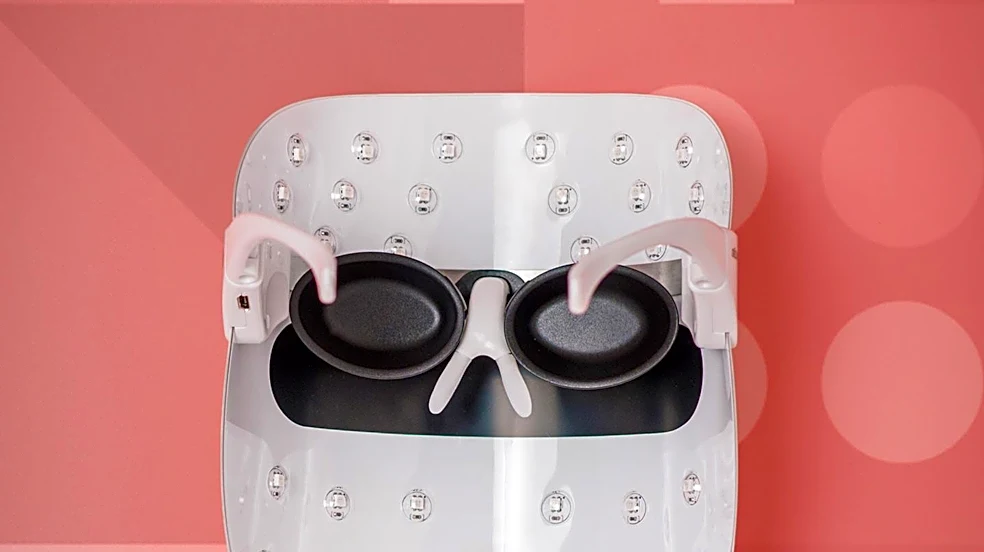
A new clinical study conducted by Therabody, in partnership with Validated Claim Support, has demonstrated that the SkinSpa CryoCurrent device is clinically proven to lift, firm, and contour the face. The study, registered as NCT07510581, involved 112
participants aged 34-64, encompassing various ethnicities and Fitzpatrick skin types, with 50% reporting sensitive skin. The research was conducted in two phases: a single 15-minute treatment trial and an eight-week daily use trial. Microcurrent therapy, which uses low-level voltage to stimulate facial muscles, and cold therapy, known for reducing inflammation and puffiness, were combined in the device. The study found that after a single 15-minute session, participants experienced firmer-looking skin, improved elasticity, lifted cheeks and mid-face, smoother fine lines, fuller lips, and more radiant skin. After eight weeks of daily use, all ten clinician-graded measures showed significant improvement from baseline, including enhanced skin tone evenness and pore appearance. The treatment was also well-tolerated, with a significant reduction in erythema (skin redness) and improvement in edema (swelling) in all participants.
Why It's Important?
This study is significant for the U.S. beauty and wellness industry as it provides clinical validation for a multi-therapy skincare device, potentially influencing consumer purchasing decisions and market trends. The findings suggest that the SkinSpa CryoCurrent device offers a non-invasive option for individuals seeking to improve facial skin appearance, which could lead to increased demand for similar clinically-backed beauty technologies. For consumers, the proven efficacy of lifting, firming, and contouring, along with improvements in fine lines and skin tone, offers a credible alternative or supplement to more invasive cosmetic procedures. The emphasis on the device being well-tolerated, even by those with sensitive skin, broadens its appeal and addresses a common concern in skincare. This could also spur further research and development in combining microcurrent and cold therapies, potentially leading to new product innovations and a more competitive market landscape in the U.S. beauty sector.
What's Next?
Following the positive clinical study results, Therabody is likely to leverage these findings in its marketing and sales strategies for the SkinSpa CryoCurrent device. This could include increased advertising campaigns highlighting the clinically proven benefits, potentially targeting a broader demographic of consumers interested in anti-aging and skin health. The detailed protocols used in the study, available for download, may also encourage users to adopt consistent daily routines, fostering long-term product engagement. Competitors in the beauty device market may respond by investing in their own clinical trials or developing similar multi-therapy devices to compete with Therabody's validated claims. Additionally, the success of this study could pave the way for further research into the long-term effects and broader applications of microcurrent and cold therapy combinations, potentially expanding the product line or introducing new devices with enhanced features. The beauty industry may see a shift towards more evidence-based product development and marketing, driven by consumer demand for proven results.
Beyond the Headlines
The clinical validation of the SkinSpa CryoCurrent device extends beyond immediate market implications, touching upon broader shifts in consumer expectations and the scientific rigor applied to the beauty industry. The study's comprehensive approach, including both single-use and eight-week daily use trials, and its diverse participant demographic, sets a precedent for transparency and efficacy claims in a market often criticized for unsubstantiated promises. This move towards evidence-based beauty products could foster greater consumer trust and encourage a more discerning approach to skincare purchases. Ethically, providing clear, clinically proven benefits helps consumers make informed decisions, moving away from reliance on anecdotal evidence. Culturally, the emphasis on non-invasive methods for skin improvement reflects a growing preference for wellness-oriented solutions that integrate into daily routines, rather than solely relying on surgical interventions. This trend could reshape perceptions of beauty and aging, promoting accessible and sustainable self-care practices.