









What's Happening?
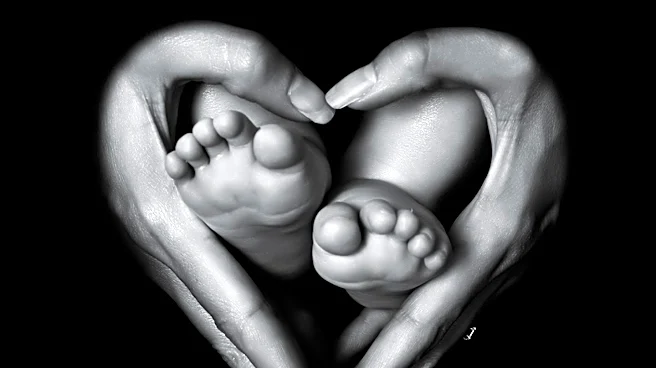
In 2026, many women are rethinking motherhood due to a combination of societal pressures, economic concerns, and personal fears. Factors such as the high cost of living, climate change, and political instability contribute to these anxieties. Additionally,
the prevalence of social media and the sharing of negative experiences related to pregnancy and parenthood have heightened fears. This trend is reflected in declining birth rates and increased discussions about the challenges of motherhood. Experts suggest that these fears are not just personal but are influenced by broader societal issues.
Why It's Important?
The shift in attitudes towards motherhood has significant implications for society and demographics. Declining birth rates can impact economic growth, workforce dynamics, and social structures. The fears and anxieties surrounding motherhood also highlight the need for better support systems for parents, including healthcare, childcare, and mental health resources. Addressing these concerns is crucial for creating a supportive environment for families and ensuring the well-being of future generations. The conversation around motherhood is evolving, reflecting changing societal values and priorities.
What's Next?
As these trends continue, there may be increased advocacy for policies that support parents, such as paid parental leave and affordable childcare. Healthcare providers and mental health professionals may also play a more prominent role in addressing the fears associated with motherhood. Public discourse around these issues is likely to grow, with potential implications for policy and cultural norms. The ongoing dialogue may lead to a reevaluation of societal expectations and support systems for families.