







What's Happening?
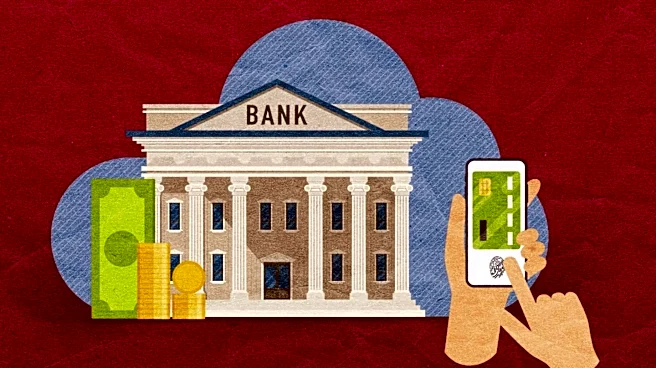
Consumer payment habits in the U.S. are increasingly shifting towards digital transactions, including mobile wallets, contactless payments, e-commerce, and peer-to-peer applications. This trend is underpinned by the continued use of debit and credit cards.
Community banks are actively responding by investing in fraud prevention technologies, enhancing cardholder controls, developing rewards programs, and integrating digital wallet capabilities to meet customer demand for convenience and security. Debit cards remain the most frequently used payment method, while credit cards account for a significant dollar value in transactions. The card payments ecosystem is also experiencing rising fraud threats from both consumers and fraudsters, alongside increased political attention on interchange fees, routing mandates, late fees, and credit card pricing. The Independent Community Bankers of America (ICBA) advocates for policies that support consumer choice, innovation, and a level playing field for community bank card programs.
Why It's Important?
The ongoing evolution of payment methods presents both opportunities and challenges for community banks and the broader U.S. financial sector. The shift to digital and contactless payments necessitates significant investment in technology and security infrastructure to protect consumers from rising fraud. For community banks, maintaining competitiveness against larger financial institutions and fintech companies requires continuous innovation in card products and services. Political scrutiny over interchange fees and credit card pricing could lead to regulatory changes that impact bank revenues and consumer costs. The balance between providing convenient, innovative payment solutions and ensuring robust security is critical for maintaining consumer trust and financial stability. This dynamic environment underscores the importance of industry advocacy, like that provided by the ICBA, to shape policies that support the diverse needs of consumers and financial institutions.
What's Next?
Community banks will likely continue to prioritize investments in advanced fraud prevention technologies and digital payment solutions to keep pace with consumer expectations and evolving threats. The political attention on interchange fees and credit card pricing suggests potential legislative or regulatory actions that could alter the economics of card programs. Banks will need to adapt to any new mandates regarding routing or fee structures. Furthermore, the ongoing development of new payment technologies, such as tokenized transactions and agentic commerce, will require continuous evaluation and integration efforts. The ICBA's advocacy efforts will remain crucial in shaping policies that ensure a fair and competitive environment for community banks, allowing them to continue serving consumers, small businesses, and underserved populations effectively. Collaboration between financial institutions, technology providers, and regulators will be essential to navigate these changes successfully.
Beyond the Headlines
The accelerating shift to digital payments has broader societal implications, particularly concerning financial inclusion and data privacy. While digital payments offer convenience, they can also exacerbate the digital divide for populations with limited access to technology or banking services. Ensuring that all segments of society can participate in the evolving payment ecosystem without being left behind is a critical challenge. Moreover, the increased reliance on digital transactions generates vast amounts of personal financial data, raising concerns about data security and privacy. The industry's response to these challenges will shape not only the future of commerce but also the trust consumers place in financial institutions. The balance between innovation, security, and accessibility will be a defining characteristic of the U.S. payment landscape in the coming years.