




What's Happening?
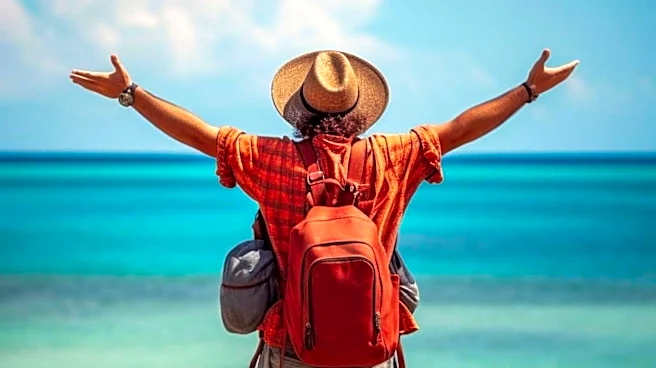
Solo travel is increasingly recognized for its benefits in personal growth, confidence building, and fostering self-sufficiency. Experts suggest that engaging in solo activities, ranging from short local excursions to overnight trips in new cities, can
provide a fresh perspective and reduce stress. Starting with small, manageable solo experiences, such as a one-night stay in a nearby city or a day at an amusement park, is recommended for beginners. These initial steps allow individuals to acclimate to managing logistics independently and shaping their schedules according to their preferences. The ability to explore at one's own pace, without external pressures, is highlighted as a key advantage, enabling deeper engagement with chosen activities and environments. This approach helps individuals build comfort and confidence before embarking on more extensive solo adventures.
Why It's Important?
The growing emphasis on solo travel reflects a broader societal trend towards individual well-being and self-discovery. For many, the opportunity to travel alone offers a unique chance for reinvention and authentic self-expression, free from preconceived notions or social expectations. This shift can lead to increased confidence and a sharpened sense of self-sufficiency, valuable traits in both personal and professional spheres. The economic impact is also notable, as the solo travel market expands, creating demand for tailored services and accommodations. Businesses that cater to solo travelers, such as specialized tour operators or hotels designed for individual guests, stand to gain. This trend also encourages the development of more flexible and personalized travel options, benefiting a diverse range of consumers seeking unique and empowering experiences.
What's Next?
As solo travel continues to gain popularity, the travel industry is likely to see further innovations in services and products designed to support individual explorers. This could include more specialized tour packages for solo travelers, enhanced safety features in accommodations, and technology-driven solutions for connecting solo travelers with local experiences and communities. The focus will remain on providing opportunities for personal growth and self-discovery while addressing potential concerns such as safety and social interaction. Educational resources and platforms that guide individuals through their first solo trips, offering practical advice and encouragement, will also become more prevalent. This evolving landscape will cater to a demographic increasingly seeking independence and unique experiences in their travels.
Beyond the Headlines
The rise of solo travel extends beyond mere tourism, touching upon deeper psychological and cultural implications. It challenges traditional notions of travel as a group activity and promotes a culture of self-reliance and introspection. This trend can foster greater resilience and adaptability in individuals, as they navigate unfamiliar environments and situations independently. Ethically, it encourages a more mindful and respectful engagement with local cultures and environments, as solo travelers often seek authentic experiences rather than mass tourism. The emphasis on personal choice and self-paced exploration also aligns with broader societal values of individualism and autonomy, potentially influencing how people approach other aspects of their lives, from career choices to personal relationships.