






What's Happening?
RV storage marketing is evolving to address rising travel costs, particularly record-high gas prices, which are impacting travel budgets. Despite these financial pressures, domestic leisure travel is expected to grow in 2026, according to the U.S. Travel
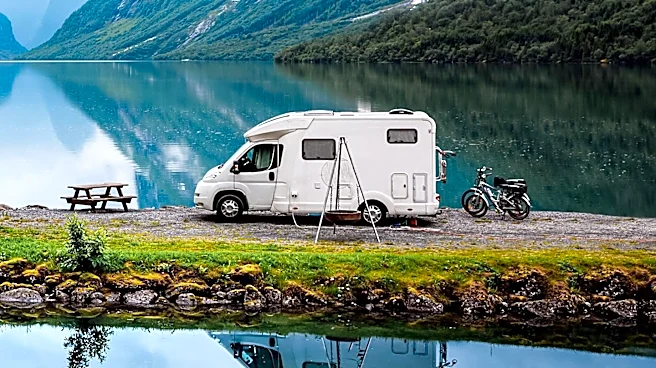
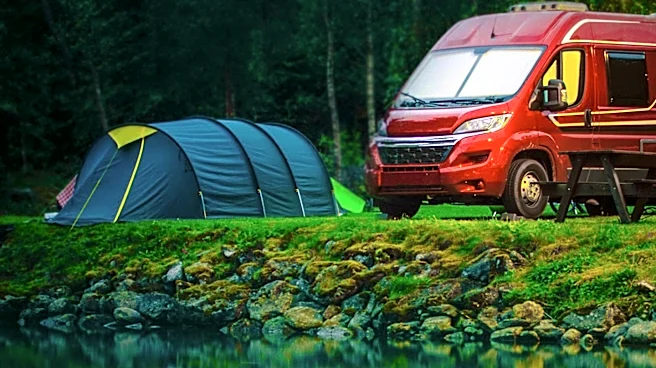
Association. RV storage operators are leveraging this trend by promoting the value proposition of RV travel as a cost-effective way to combine transportation, lodging, kitchen, and living space into one trip. Marketing efforts now focus on validating tenants' decisions to own RVs and inspiring new purchases by highlighting money-saving tips. These strategies include promoting 'boondocking' (dry camping on free public land), traveling off-season, prioritizing preventive maintenance, improving fuel economy, planning free activities, and encouraging DIY repairs. Additionally, marketers are using AI to generate regional itineraries and travel ideas to engage tenants and promote closer-to-home travel.
Why It's Important?
This shift in RV storage marketing is crucial for maintaining and growing the industry in the face of economic challenges. By emphasizing the cost-saving aspects of RV ownership, operators can attract new tenants and retain existing ones who might otherwise reconsider their RV investments due to rising travel expenses. The focus on domestic leisure travel and local itineraries supports regional economies and provides accessible vacation options for U.S. consumers. Furthermore, the integration of AI into marketing strategies demonstrates an industry-wide adaptation to technological advancements, allowing for more personalized and efficient engagement with potential and current tenants. This approach helps RV owners feel more confident in their investment, ensuring continued demand for RV storage facilities and related services.
What's Next?
RV storage marketers will likely continue to refine their value-driven content, focusing on practical money-saving tips and localized travel experiences. Increased use of social media platforms to share these insights, including photos of families enjoying the outdoors and regional itineraries, will be a key strategy. The adoption of AI tools for generating travel ideas and comparing costs will become more prevalent, enabling operators to provide tailored content that resonates with their audience. Partnerships with organizations like Harvest Hosts, which offer unique and affordable camping locations, could also expand. The industry will need to continuously monitor travel cost trends and consumer behavior to adapt marketing messages, ensuring that RV ownership remains an attractive and viable option for leisure travel in the U.S. The emphasis will be on making RV travel feel worthwhile and easier to plan, building trust with tenants.
Beyond the Headlines
The evolving RV storage marketing strategies reflect broader societal trends, including a renewed interest in domestic travel and outdoor recreation, partly influenced by economic factors and a desire for more controlled and personalized travel experiences. The promotion of 'boondocking' and off-season travel also points to a growing appreciation for sustainable and budget-conscious tourism. The use of AI in this sector highlights the pervasive influence of technology across various industries, even in niche markets like RV storage. This trend could lead to more sophisticated data-driven marketing campaigns and personalized service offerings within the storage industry. Moreover, by empowering RV owners with knowledge on maintenance and cost-saving, the industry fosters a more engaged and self-sufficient community, potentially increasing the longevity of RV ownership and the demand for associated services like storage.