







What's Happening?
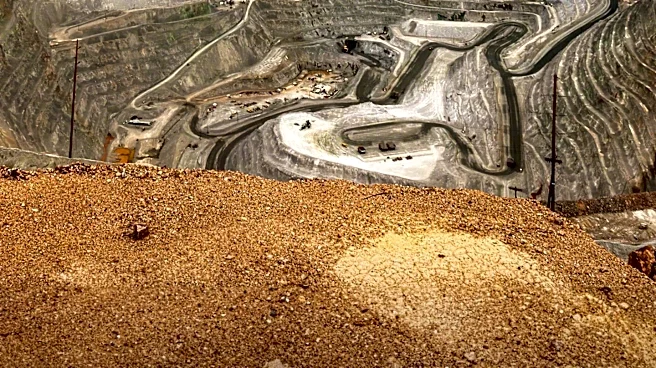
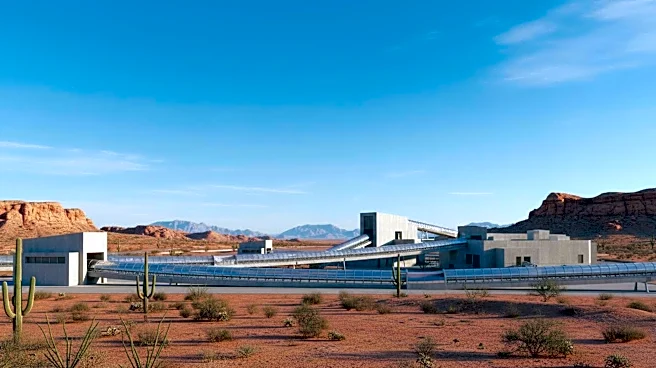
The U.S. Forest Service has granted final approval for the development of a critical minerals mine in the Patagonia Mountains, Southern Arizona. This decision allows the Hermosa Mine, operated by South32, to proceed with constructing essential infrastructure,
including a powerline and access road, on federal land. The project, which aims to extract zinc, silver, lead, and manganese, has seen its costs rise by $1.1 billion over the past two years. Despite the increased expenses, the mine is considered a strategic investment due to its potential to supply at least four federally designated critical minerals. The approval concludes a National Environmental Policy Act review initiated in 2024, enabling the completion of a 138-kilovolt transmission line by UniSource Energy Services and Tucson Electric Power to supply electricity to the site.
Why It's Important?
The Hermosa Mine project is significant for both economic and strategic reasons. It addresses a projected gap in zinc supply, which is expected to reach 4 million tons within the next decade. The mine's development is crucial for reducing reliance on foreign mineral imports, thereby enhancing national security and economic stability. The approval also reflects the U.S. government's commitment to bolstering domestic mineral production, which is vital for various industries, including technology and manufacturing. However, the project's escalating costs and environmental implications pose challenges that stakeholders must navigate.
What's Next?
With the Forest Service's approval, South32 can now advance its infrastructure plans, including the construction of a new access road and additional tailings storage. The company will likely focus on mitigating environmental impacts while managing the increased financial burden. Local communities and environmental groups may continue to monitor the project's progress, advocating for sustainable practices. The mine's development could also prompt further discussions on balancing economic growth with environmental conservation in the region.