

What's Happening?
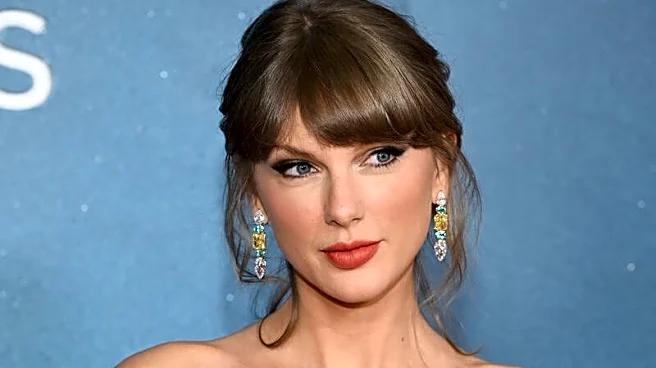
A recent Vanity Fair article, titled 'The Mastermind,' reportedly presents a critical view of pop superstar Taylor Swift. The piece, which does not explicitly name Swift but refers to her as 'The Star' and includes clear allusions to her career and personal
life, draws on interviews with over 100 individuals. It aims to portray two contrasting images of Swift: the widely adored pop icon and a more calculating figure who allegedly retaliates against those who cross her. According to the article, a music industry insider likened Swift to 'Regina George' from 'Mean Girls,' while a former confidant claimed that individuals who fall out of her favor can find themselves excluded from her social circle. The profile also reportedly includes accounts from former classmates who dispute Swift's narratives of being bullied, suggesting she may have been involved in bullying herself. Additionally, the article re-examines her past feud with Charli XCX, raising questions about the consistency of Swift's public support for fellow artists versus her actions behind the scenes. Vanity Fair stated that Swift declined to comment on the story despite being sent multiple questions.
Why It's Important?
This Vanity Fair profile is significant as it challenges the carefully cultivated public image of one of the most influential figures in the entertainment industry. For Taylor Swift, whose brand relies heavily on authenticity and relatability, these allegations could potentially impact her public perception and fan base. The article's claims, though presented as allegations and opinions rather than established facts, introduce a counter-narrative to her widely accepted persona. This could lead to increased scrutiny from both the media and the public, potentially affecting her endorsements, collaborations, and overall career trajectory. For the entertainment industry, it highlights the power of media narratives and the potential for even the most successful artists to face critical examination, regardless of their popularity. It also underscores the ongoing debate about celebrity privacy versus public interest, and the impact of extensive media coverage on an artist's legacy.
What's Next?
The immediate aftermath of this Vanity Fair profile could involve a range of reactions from Taylor Swift's representatives, her fan base, and the broader media. While Swift declined to comment for the article, her team may choose to issue a statement or address the allegations indirectly through future public appearances or social media. Her dedicated fan base, known for its strong loyalty, might rally in her defense, potentially dismissing the claims as unfounded or biased. Conversely, the allegations could spark further discussions and investigations into the dynamics of celebrity power and influence within the entertainment industry. Other media outlets may pick up on these claims, leading to more in-depth analyses or interviews with individuals mentioned in the article. The long-term impact will depend on how these allegations are perceived and whether they gain traction beyond the initial publication, potentially influencing public opinion and future media portrayals of Swift.
Beyond the Headlines
The Vanity Fair profile delves into deeper implications concerning the nature of celebrity, public image, and the power dynamics within the entertainment industry. It raises questions about the authenticity of public personas crafted by celebrities and their teams, and the potential for a disconnect between a star's carefully managed image and their private conduct. The article's use of anonymous sources and the framing of allegations as 'opinions' rather than 'facts' also highlights the ethical complexities of celebrity journalism and the fine line between investigative reporting and speculative gossip. Furthermore, it touches upon the cultural phenomenon of 'cancel culture' and the potential for a single critical narrative to significantly alter a public figure's standing. This situation could prompt a broader conversation about the responsibilities of media outlets in reporting on powerful individuals and the impact of such reports on both the celebrity and their audience, particularly in an era where public perception can be rapidly shaped by online discourse.