
What's Happening?
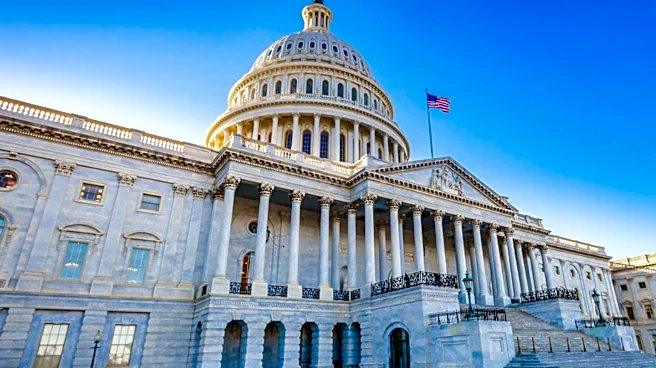
The U.S. House of Representatives has unanimously passed seven bipartisan bills aimed at strengthening American small businesses and ensuring greater accountability within the Small Business Administration
(SBA). These legislative measures address various critical areas, including protecting entrepreneurs from foreign cyber threats, facilitating the return of manufacturing to the U.S., improving access to capital, and enhancing SBA oversight. Chairman Roger Williams (R-TX) emphasized that these bills represent a significant win for 'Main Street' businesses. Key legislation includes the 'Combating Foreign Threats to Main Street Act of 2026,' which mandates the SBA to create educational materials for small businesses to defend against threats from foreign adversaries like China, Russia, and North Korea, covering cybersecurity, intellectual property, and supply chain security. Other bills focus on modernizing SBA programs, such as the 504 lending program, and improving reporting requirements for the Small Business Investment Company (SBIC) program. The House also passed measures to ensure consistent disaster loan outreach and compliance with congressional reporting on veterans in SBA programs.
Why It's Important?
These bipartisan bills are crucial for the resilience and growth of American small businesses, which are considered the backbone of the U.S. economy. By addressing foreign cyber threats and intellectual property theft, the legislation aims to safeguard sensitive business information and innovation, thereby protecting national economic security. The 'Reshoring American Manufacturing Act of 2026' supports the onshoring of manufacturing operations, which could lead to job creation and strengthen domestic supply chains, reducing reliance on foreign production. Enhancing accountability and modernizing SBA programs, such as the 504 lending program, will improve access to capital for entrepreneurs, fostering business expansion and job growth. The focus on consistent disaster loan outreach and support for veterans in SBA programs ensures that critical resources are accessible to vulnerable business owners, promoting equitable economic recovery and opportunity. These measures collectively aim to create a more secure, supportive, and efficient environment for small businesses to thrive.
What's Next?
Following their passage in the House, these seven bipartisan bills will now move to the Senate for consideration. Chairman Williams has urged the Senate to act swiftly to pass these bills and send them to President Trump's desk for enactment. If signed into law, the SBA will be tasked with implementing the provisions of these bills. This includes developing and updating educational materials on foreign threats, establishing new procedures for disaster loan outreach, modernizing reporting for investment programs, and codifying the 'Make Onshoring Great Again Portal.' Small businesses can anticipate new resources and protections, particularly in cybersecurity and supply chain security. The legislative process in the Senate will determine the final form and timeline for these initiatives, with potential for further debate or amendments before they can become law.
Beyond the Headlines
The passage of these bills reflects a growing bipartisan consensus on the importance of protecting and empowering small businesses in an increasingly complex global landscape. Beyond the immediate benefits, these legislative actions signal a strategic shift towards bolstering domestic economic resilience against geopolitical risks. The emphasis on combating foreign threats highlights concerns about economic espionage and cyber warfare, underscoring the need for a robust national defense strategy that extends to the private sector. Furthermore, the push for reshoring manufacturing could have long-term implications for U.S. industrial policy, potentially leading to a more self-reliant economy and reduced vulnerability to international supply chain disruptions. The modernization of SBA programs also points to an evolving understanding of the financial and operational needs of small businesses, aiming to make federal support more agile and effective in a dynamic economic environment.