








What's Happening?
Bitcoin (BTC) experienced a 7% loss in October 2026, breaking its historical 'Uptober' pattern of seasonal gains. This marks the second consecutive October with a decline, as October 2025 also ended lower. Historically, Bitcoin had risen in 10 out of 13
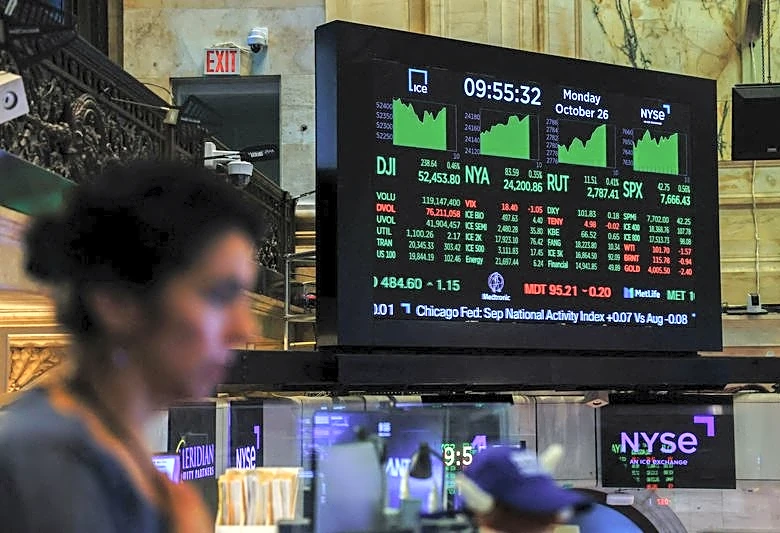
Octobers through 2025, with a median gain of nearly 15%. The recent slide occurred as the artificial intelligence (AI) stock market experienced a significant downturn, with major AI-linked U.S. companies retreating throughout the month. This shift also saw oil futures climb while Treasury yields slid, breaking an 80% correlation observed earlier in the year. Bitcoin's drop was further influenced by a historic hack of Binance and a Nasdaq sell-off, pushing its price below $80,000.
Why It's Important?
The failure of Bitcoin's 'Uptober' trend signifies a potential shift in the factors driving cryptocurrency markets. Historically, seasonal patterns provided a degree of predictability, but the current environment suggests that broader macroeconomic trends and sector-specific events, such as the performance of AI stocks, are exerting greater influence. The decoupling of oil and bond movements, attributed to AI stock weakness, indicates that market participants are increasingly viewing AI sector performance as a key indicator for U.S. economic growth. This interconnectedness means Bitcoin's price is now more susceptible to external market forces beyond its traditional crypto-specific catalysts, making it more integrated into the wider financial ecosystem and potentially more volatile in response to global economic shifts.
What's Next?
The cryptocurrency market, including Bitcoin, will likely continue to be influenced by the performance of the AI sector and broader macroeconomic indicators. The bond market's capacity to absorb an expected $4 trillion in AI-related debt over four years could lead to lower bond prices and wider spreads, placing the AI buildout at the center of bond pricing, not just equity sentiment. This suggests that the health of the AI industry will remain a critical factor for overall market stability, indirectly impacting Bitcoin. Investors will need to monitor not only crypto-specific news but also developments in the tech sector, interest rate policies from central banks, and global economic data to anticipate Bitcoin's future movements.
Beyond the Headlines
The breakdown of Bitcoin's 'Uptober' pattern and its increased correlation with the AI stock market highlights a significant evolution in how digital assets are perceived and valued. It suggests that Bitcoin is no longer operating in a silo but is increasingly influenced by the same technological and economic forces that shape traditional equity markets. This integration could lead to a more mature, yet potentially more complex, investment landscape for cryptocurrencies. The narrative that AI weakness signals broader U.S. growth concerns underscores how interconnected various market segments have become. This trend could prompt a re-evaluation of Bitcoin's role as a diversifier or a safe-haven asset, as its price movements become more aligned with broader market sentiment and economic health.