









What's Happening?
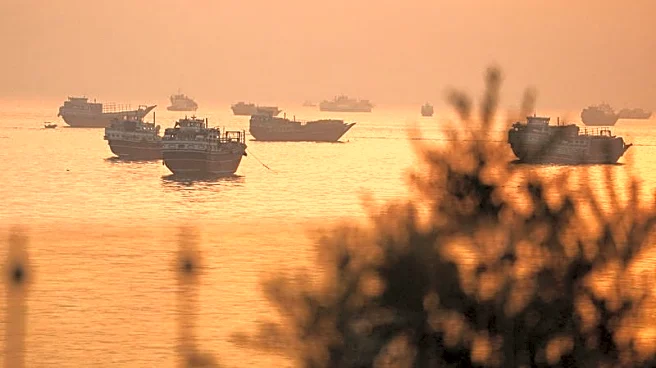
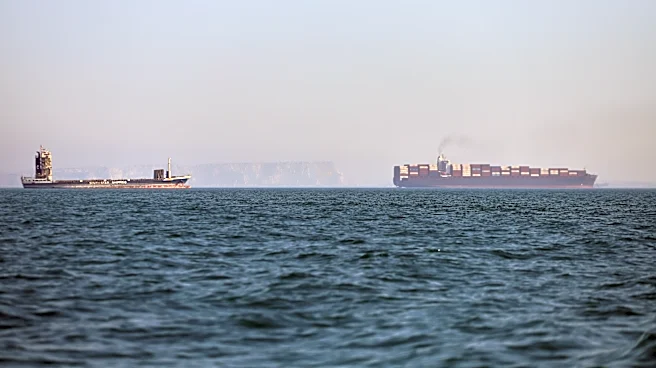
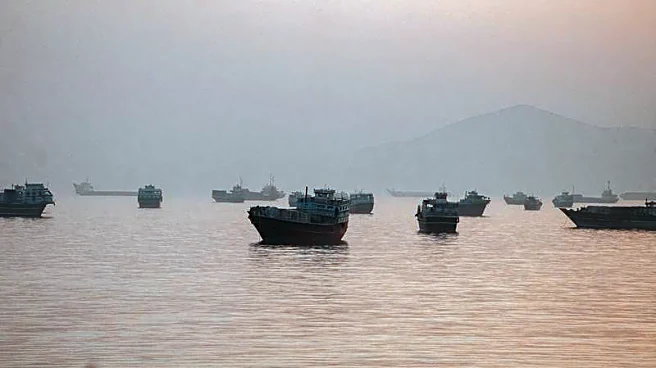
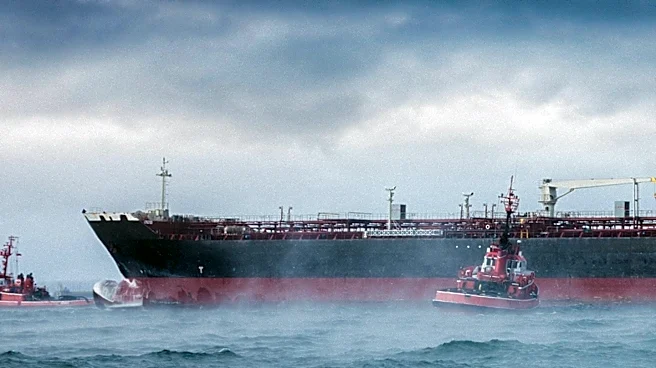
Lloyd's of London is adjusting its insurance premiums in response to increased risks in the Strait of Hormuz following recent geopolitical tensions. The blockade of the strait by Tehran, in retaliation to strikes by the United States and Israel, has led
to a significant rise in war insurance premiums for vessels transiting the area. Insurance rates for ships have surged, with some reaching as high as 10% of a vessel's value. The situation has prompted insurers to reassess individual risk factors and adjust policies accordingly. The crisis has also led to a shift in how quickly insurance policies are issued, with some being finalized just hours before a ship's voyage.
Why It's Important?
The changes in insurance premiums reflect the heightened geopolitical risks in the Strait of Hormuz, a critical passage for global oil shipments. The increased costs of insurance could impact shipping companies' operational expenses and influence global oil prices. The situation underscores the vulnerability of international trade routes to geopolitical conflicts and the role of insurance markets in managing these risks. The adjustments by Lloyd's of London highlight the dynamic nature of the insurance industry in responding to global events and the importance of risk management in maritime operations.
What's Next?
As tensions continue, insurance premiums are unlikely to return to pre-crisis levels in the near future. Ship owners may face ongoing challenges in securing affordable coverage, and the situation could lead to further disruptions in shipping routes. The insurance industry will continue to monitor geopolitical developments closely, adjusting policies as necessary to reflect the evolving risk landscape. Additionally, the potential for further conflicts in the region could lead to more stringent insurance requirements and increased scrutiny of shipping operations.