


What's Happening?
A recent Newsmaker panel at Oklahoma State University, featuring experts like Amy Hagerman, Darrell Peel, and Dr. Rosslyn Biggs, discussed significant risks impacting the U.S. livestock market. Policy shifts at the federal level can rapidly change, introducing
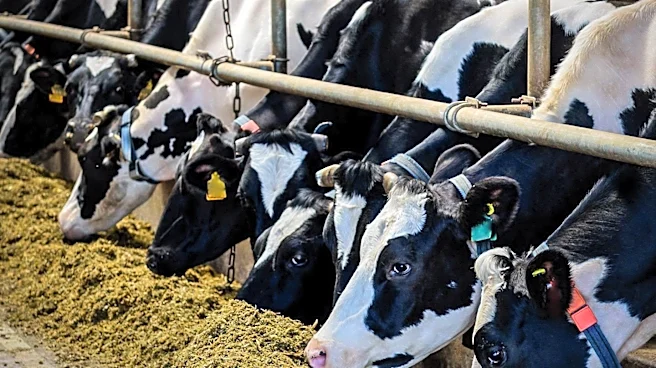
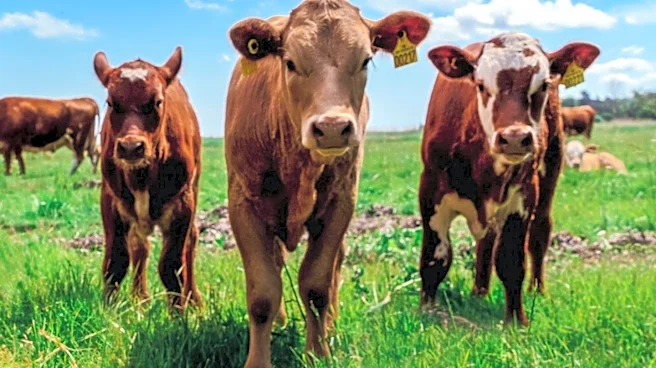
volatility into agricultural markets. Animal health issues, such as New World screwworm, theileria, and the Asian long-horned tick, also pose considerable threats. Dr. Biggs expressed particular concern about the beef industry's preparedness for disease outbreaks, noting that pork and poultry producers are generally better equipped. The complexity of the cattle market is further compounded by external factors like politics, trade issues, and animal health, which influence supply and demand dynamics. Despite record-high beef prices driven by multi-decade low cattle inventories and strong consumer demand, these external risks create significant challenges for producers.
Why It's Important?
The discussions highlight critical vulnerabilities within the U.S. livestock industry, particularly the beef sector. Policy instability can create an unpredictable environment for producers, affecting long-term planning and investment. Animal health crises, if not adequately managed, can lead to widespread economic losses, trade restrictions, and disruptions in the food supply chain. The lack of preparedness in the cow-calf and broader beef industry, as noted by Dr. Biggs, suggests a potential for severe impact should a major disease outbreak occur. This could affect not only producers' livelihoods but also consumer prices and the availability of beef products. Furthermore, trade dynamics, influenced by animal health and policy, are crucial for U.S. agricultural exports, with beef being a top export commodity by value. Any disruption could impact international trade relationships and the U.S. balance of trade.
What's Next?
Policymakers are urged to address protocols and disease risks more effectively and communicate these policies clearly to trade partners. There is a recognized need for increased acknowledgment of preparedness, especially within the beef industry, to mitigate the impact of potential disease outbreaks. Education and information sharing among producers, consumers, and the general public are crucial to ensure awareness without causing undue market panic. Continued monitoring of animal health threats, such as HPAI in dairy, and understanding their specific consequences for different commodities like pork and dairy, will be essential. The industry will also need to navigate the complexities of global trade, considering customer relationships, international market dynamics, and the cost of U.S. products relative to competitors.
Beyond the Headlines
The panel's insights reveal a deeper interconnectedness between policy, animal health, and market stability in U.S. agriculture. The discussion on the U.S. food pyramid's inversion to encourage protein demand underscores a long-term shift in dietary trends that impacts livestock markets. The challenges in addressing rural veterinary shortages, particularly in food supply veterinary services, point to a systemic issue that could hinder effective disease response. The complexity of the cattle market, where numerous factors are in flux simultaneously, highlights the difficulty in isolating and managing individual risks. This necessitates a holistic approach to agricultural policy and risk management, considering the broader economic, social, and environmental implications of decisions made within the sector.