





What's Happening?
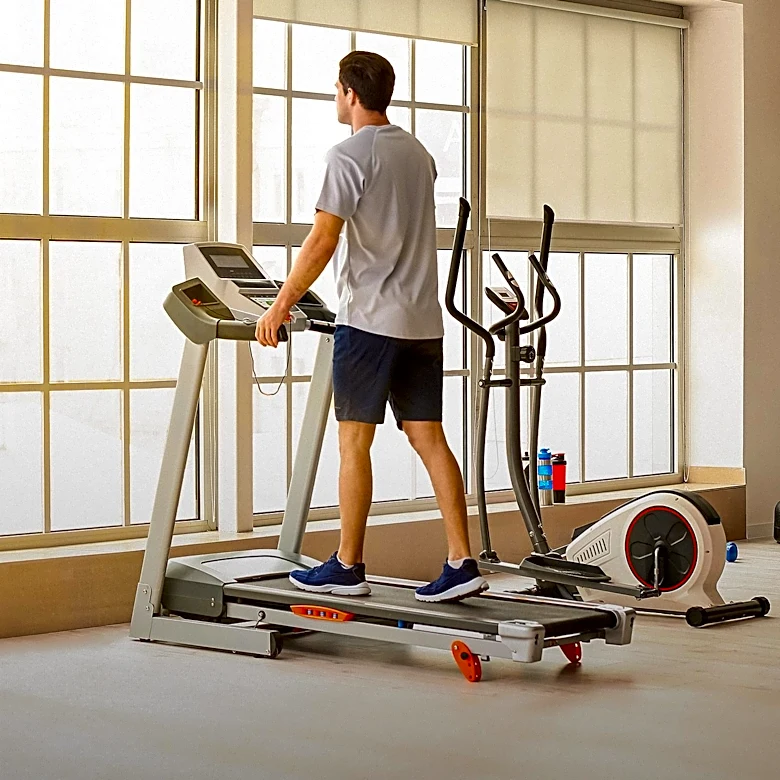
A systematic review and meta-analysis published in Sports Medicine indicates that the order of exercise—cardio before or after weights—significantly impacts dynamic strength improvements. The research found that individuals who performed resistance training
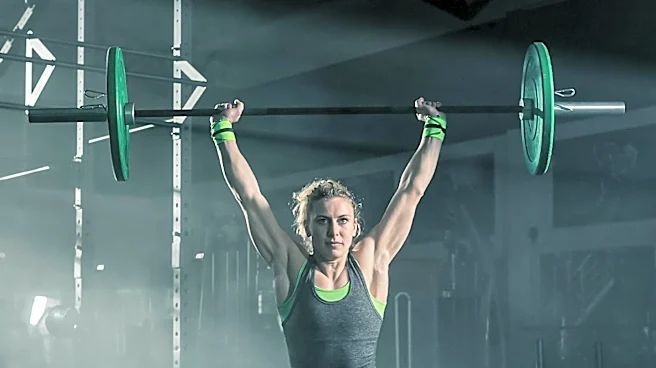
before endurance exercise experienced a 6.91% greater improvement in lower-body dynamic strength compared to those who did cardio first, across studies lasting five weeks or longer. This effect was particularly noted for dynamic strength, such as that required for squats or deadlifts, with no significant difference observed for muscle hypertrophy or lower-body static strength. The study suggests that for individuals prioritizing dynamic strength development, performing weightlifting first offers a measurable advantage. However, for general cardiovascular fitness or other goals, the order appears to be less critical. The findings provide a data-driven answer to a common gym debate, emphasizing that while group averages point to a specific order for strength, individual responses can vary.
Why It's Important?
This research is important for athletes, fitness enthusiasts, and trainers in the U.S. as it provides clear, evidence-based guidance on structuring workout routines for optimal strength gains. For those focused on increasing their squat or deadlift numbers, prioritizing resistance training before cardio could lead to more efficient progress. This insight can influence program design in gyms, personal training sessions, and athletic conditioning programs across the country. Understanding the interference effect, particularly for lower-body dynamic strength, allows for more targeted and effective training strategies. It also highlights that while general fitness goals might not be as sensitive to exercise order, specific strength-focused objectives benefit from a particular sequence, potentially saving time and effort for individuals aiming for peak performance in strength-based activities.
What's Next?
Individuals and fitness professionals are encouraged to experiment with exercise order to determine what works best for their specific bodies and goals. The research suggests a self-experimentation approach, tracking key lifts, reps, and perceived exertion (RPE) over several weeks for both cardio-first and weights-first scenarios. This personalized data can help refine training protocols beyond general recommendations. For those with time constraints, the default recommendation remains weights first, especially for strength-focused goals, due to the research-backed advantage. Future research may delve deeper into how different types of cardio (e.g., running vs. cycling) and their intensity or duration further influence strength outcomes, and whether these effects vary across different experience levels of lifters.
Beyond the Headlines
The study's findings underscore the complexity of exercise physiology and the importance of evidence-based practices in fitness. While many gym-goers rely on anecdotal evidence or personal preference, this research provides a scientific basis for optimizing workout structures. It also subtly challenges the 'one-size-fits-all' approach to fitness, emphasizing that while general guidelines are useful, individual physiological responses can vary. This encourages a more analytical and data-driven approach to personal fitness, where individuals become active participants in understanding their own body's responses to different training stimuli. The distinction between dynamic strength, static strength, and hypertrophy also highlights the nuanced nature of fitness goals and how specific training methodologies are required to achieve them.