






What's Happening?
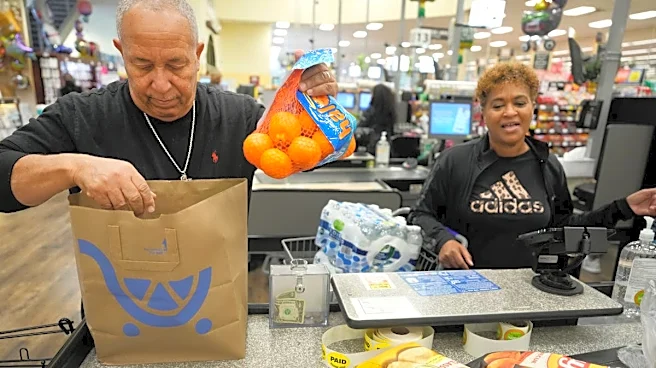
Chris Costagli, vice president of thought leadership and food and non-alcoholic beverage insights lead at NIQ, reported a significant decline in convenience store (c-store) traffic due to ongoing inflationary pressures. Speaking at CSP’s Center Store
Forum in Lombard, Illinois, Costagli highlighted that nearly 40% of c-store shoppers are reducing their visits for food, beverages, or nicotine. According to NIQ data from June, 37% of these shoppers are visiting less frequently than they did a year ago, primarily due to pricing concerns. Despite these challenges, certain segments within c-stores, such as wine, liquor, publications, and perishable groceries, have shown growth in both dollar and unit sales. Wine, in particular, saw a 6% increase in dollar growth and an 11% rise in unit growth over the past year. Overall, the c-store industry generated $175.7 billion in sales for the 52 weeks ending May 23.
Why It's Important?
The decline in c-store traffic reflects broader consumer behavior changes driven by inflation, impacting the retail sector significantly. As consumers consolidate trips to maximize value, c-stores face challenges in maintaining sales across various categories. The growth in specific segments like wine and liquor suggests a shift in consumer preferences, possibly towards more cost-effective indulgences. This trend could influence how c-stores strategize their product offerings and marketing efforts. Additionally, the ruling by U.S. District Judge Amy Berman Jackson against restricting SNAP benefits for sugary foods and drinks highlights ongoing legal and regulatory challenges in the retail sector, affecting how stores manage product eligibility and consumer access.
What's Next?
C-stores may need to adapt their strategies to address the changing consumer landscape. This could involve diversifying product offerings, enhancing value propositions, and leveraging data insights to better understand consumer needs. The legal ruling on SNAP benefits may prompt further discussions and potential policy adjustments at the federal and state levels, impacting how c-stores manage their inventory and pricing strategies. Retailers might also explore partnerships with consumer packaged goods (CPG) brands to drive sales and build resilience against economic pressures.