




What's Happening?
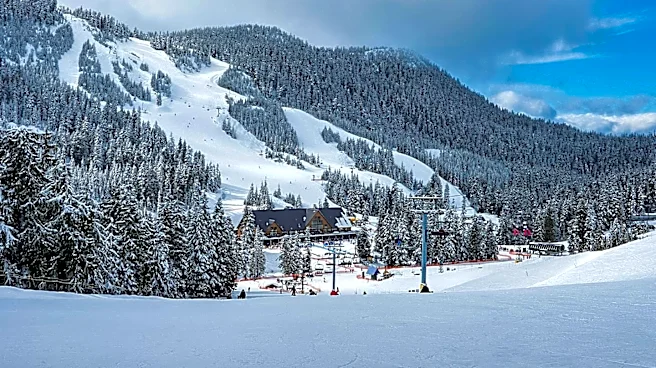
Solitude Mountain Resort is actively seeking a Head Race Coach for its Alpine Skiing program. This full-time, seasonal, and hourly position is central to organizing training for both coaches and athletes within the Solitude Race Team. The successful candidate
will be responsible for designing seasonal training curriculums for athletes and staff, maintaining regular communication with coaches and parents, and serving as a mentor to foster high-quality training and performance in USSA competitions. The program primarily caters to children aged 8 to 17 (U10 - FIS) participating in IMD Alpine disciplines. Key requirements for the role include an organized work style, enthusiasm, professionalism, and the ability to support team members in excelling in their roles. Exceptional communication skills are essential, along with an understanding of how to assist athletes and parents in establishing seasonal goals and developing strategies to achieve them. The role also demands advanced skiing skills, knowledge of alpine race equipment, course setup, and timing systems, and a Level 200 USSA certification (Level 300 preferred) or the ability to obtain it during the season. Experience as an athlete in an organized race or freeride program is preferred, with national-level competition experience being a plus.
Why It's Important?
This hiring initiative by Solitude Mountain Resort underscores the ongoing commitment to developing competitive alpine skiing talent in the U.S. The investment in a Head Race Coach signifies a dedication to structured athletic development, which is crucial for nurturing future generations of skiers. By focusing on athletes from U10 to FIS levels, the program aims to provide a comprehensive pathway for young skiers to progress in the sport, potentially contributing to the pool of U.S. athletes who could compete at national and international levels. The emphasis on USSA certifications and methodologies highlights adherence to national standards in ski coaching, ensuring that training is consistent with best practices. Furthermore, the role's focus on communication and mentorship is vital for creating a supportive environment that not only enhances athletic performance but also instills important life skills in young participants. The growth of such programs at resorts like Solitude contributes to the overall health and popularity of winter sports in the U.S., attracting more participants and spectators, and potentially boosting local economies through increased tourism and equipment sales.
What's Next?
The immediate next step for Solitude Mountain Resort is to fill the Head Race Coach position. Once hired, the coach will begin designing and implementing seasonal training curriculums for the upcoming winter season, which typically runs from September through April, with additional spring/summer training camps as needed. The coach will also be responsible for training and mentoring other coaches, conducting athlete assessments, and assisting with athlete groupings. They will work closely with the competition crew to set and maintain training and competitive lanes and venues. Ongoing responsibilities will include maintaining accurate records, assisting athletes with event registration, and providing daily feedback and coaching. The resort will likely continue to invest in its winter sports programs, potentially expanding offerings or facilities based on the success and growth of the race team under the new coach's leadership. The development of these young athletes will be closely monitored, with an eye towards their progression in USSA competitions and beyond.
Beyond the Headlines
The recruitment of a Head Race Coach at Solitude Mountain Resort reflects a broader trend in the U.S. winter sports industry: the professionalization and specialization of youth athletic development. This focus on structured coaching and competitive pathways is essential for the long-term sustainability and success of alpine skiing as a sport in the U.S. It also highlights the significant financial and human capital investment required to maintain high-caliber sports programs at ski resorts. Beyond the immediate competitive outcomes, these programs play a crucial role in fostering a love for outdoor activities, promoting physical fitness, and instilling discipline and teamwork in young individuals. The emphasis on safety, communication, and mentorship extends beyond the slopes, contributing to the holistic development of athletes. The success of such programs can also influence the broader ski industry, driving demand for specialized equipment, apparel, and services, and reinforcing the U.S.'s position as a hub for winter sports tourism and athletic training.