





What's Happening?
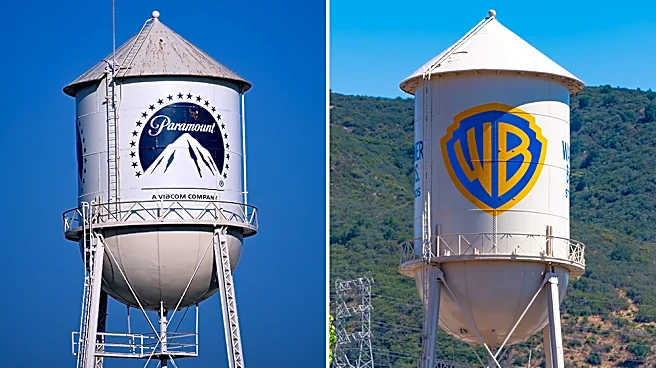
The proposed merger between Paramount Skydance and Warner Bros. Discovery is facing significant legal hurdles. A dozen state attorneys general, along with the Writers Guild of America West and East, have filed a lawsuit to block the merger, citing antitrust
concerns. A U.S. District Judge has issued a restraining order to temporarily halt the proceedings. Paramount has agreed to postpone the merger pending the outcome of the antitrust case, which could delay the transaction for over a year. The merger, valued at $110 billion, is argued by the states to potentially reduce consumer choice and diversity in news and entertainment. Paramount, however, claims the merger is lawful and beneficial to consumers and the entertainment industry.
Why It's Important?
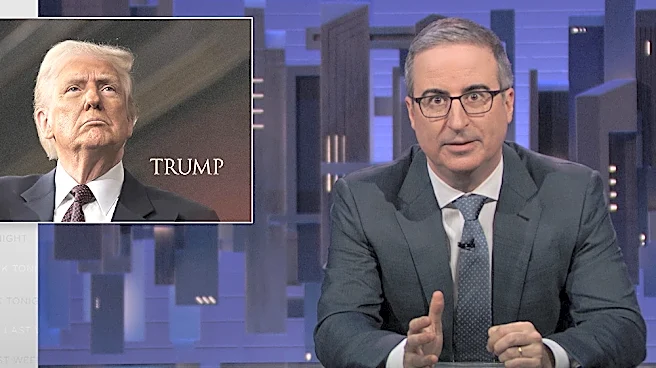
The merger's outcome could significantly impact the media landscape in the U.S., particularly concerning diversity in content. Critics argue that the consolidation could lead to fewer opportunities for diverse voices and stories, especially those created by female and non-white creators. Shows like 'Diarra From Detroit,' which highlight underrepresented communities, may struggle to find platforms in a more consolidated media environment. The merger also raises concerns about the future of major news outlets like CNN, with potential shifts in editorial direction affecting public discourse and democracy.
What's Next?
The legal battle over the merger is expected to be prolonged, with the states preferring a trial start in 2027, while Paramount seeks an earlier date. If the states succeed, Paramount's appeal could extend the delay into late 2027. The outcome will be closely watched by media companies, creators, and consumers, as it will set a precedent for future media consolidations and their regulatory scrutiny. The decision will also influence the availability and diversity of content in the U.S. media market.
Beyond the Headlines
The merger highlights broader issues of media consolidation and its impact on cultural representation. Scholars warn that such mergers threaten diversity in ownership, representation, and viewpoints, which are crucial for a healthy democracy. The case underscores the need for regulatory frameworks that balance corporate interests with public access to diverse and inclusive media content.