





What's Happening?
The global Aerospace Precision Components Market, valued at USD 124.8 billion in 2026, is projected to reach USD 214.6 billion by 2036, growing at a CAGR of 5.6%. This growth is significantly fueled by the emergence of Advanced Air Mobility (AAM) and
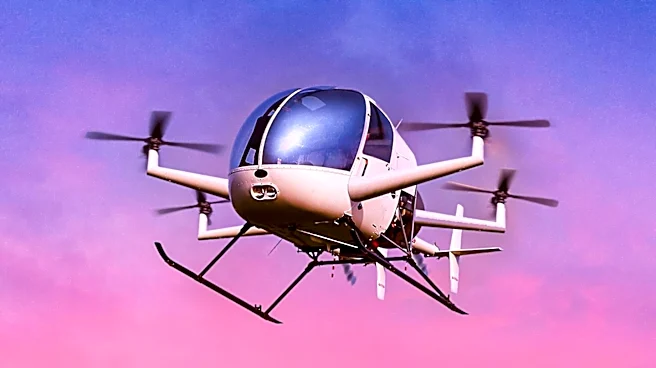
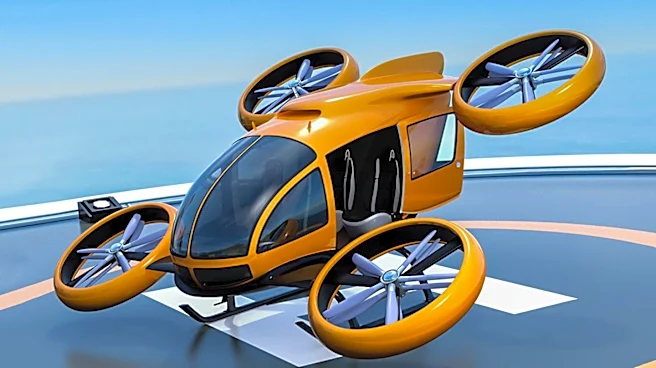
electric vertical take-off and landing (eVTOL) aircraft. These next-generation aircraft necessitate lightweight, high-strength precision components that meet rigorous safety, performance, and weight standards. Manufacturers are increasingly investing in advanced manufacturing techniques, including advanced machining, additive manufacturing, and composite component production, to support the commercialization of urban air mobility platforms. While commercial aircraft currently hold the largest market share due to increasing deliveries and fleet modernization, AAM and eVTOL aircraft are expected to register the highest Compound Annual Growth Rate (CAGR) during the forecast period, driven by rising investments in urban air mobility and electric aviation. Precision CNC Machining is expected to dominate manufacturing processes, but Additive Manufacturing is projected to show the highest CAGR.
Why It's Important?
The expansion of the Aerospace Precision Components Market, particularly driven by AAM and eVTOL aircraft, signifies a transformative period for the aerospace industry. This shift impacts U.S. manufacturing by demanding innovation in materials and production processes, such as the increased adoption of titanium alloys, nickel-based superalloys, composite materials, and AI-based quality inspection. Companies investing in these advanced techniques stand to gain significant market share. The stringent requirements for lightweight and high-strength components in AAM and eVTOL aircraft create opportunities for specialized manufacturers and material suppliers. This trend also fosters job creation in high-skilled engineering and manufacturing roles. Conversely, companies unable to adapt to these advanced manufacturing demands or meet the rigorous certification standards may lose out. The growth in this sector is critical for the U.S. to maintain its leadership in aerospace innovation and manufacturing, influencing national economic growth and technological competitiveness.
What's Next?
As certification activities for AAM and eVTOL aircraft accelerate and commercial deployment expands, the demand for aerospace-grade precision components is expected to increase substantially. This will likely lead to further investments in research and development for new materials and manufacturing processes. Major stakeholders, including aerospace OEMs, engine manufacturers, and Tier-I suppliers, will continue to form strategic partnerships and expand their production capacities to meet the anticipated demand. The market will also see continued adoption of advanced technologies like additive manufacturing and AI-based quality inspection to enhance efficiency and meet ultra-tight tolerance requirements. The focus will remain on developing components that contribute to fuel efficiency, extended range, and increased payload capacity, aligning with broader industry goals for decarbonization and operational excellence. The U.S. government and regulatory bodies will play a crucial role in establishing and updating certification standards to ensure the safety and reliability of these emerging aircraft technologies.
Beyond the Headlines
The rise of AAM and eVTOL aircraft, and their impact on the precision components market, represents more than just an industrial shift; it signals a fundamental change in how we perceive and utilize air travel. This development could lead to the decongestion of urban transportation, offering new paradigms for commuting and logistics. The emphasis on lightweighting and high-strength materials also has broader implications for sustainability, as more efficient aircraft contribute to reduced carbon emissions. However, this also brings challenges related to infrastructure development, air traffic management, and public acceptance of urban air mobility. The ethical considerations around noise pollution, visual impact, and equitable access to these new transportation modes will become increasingly prominent. Furthermore, the reliance on advanced materials and manufacturing techniques raises questions about supply chain resilience and the geopolitical implications of critical material sourcing. The long-term success of AAM and eVTOL will depend on a holistic approach that addresses technological, economic, environmental, and societal factors.