






What's Happening?
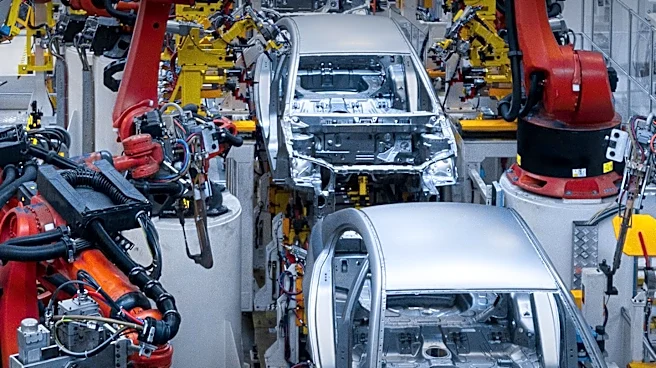
Edge computing is revolutionizing factory automation by enabling data processing closer to the source of data generation, such as sensors and machines on a production line. This localized processing capability supports time-sensitive machine responses,
immediate anomaly detection, and efficient factory automation. Unlike cloud computing, which relies on remote servers for data analysis, edge computing allows industrial gateways or edge computers to process sensor readings locally, eliminating the need to send data to a distant cloud-based system first. For instance, if vibration sensors on a motor detect an unusual pattern, an edge computing system can instantly trigger an alarm for maintenance staff or initiate protective actions locally. This approach is crucial in scenarios where delays could disrupt production or compromise machinery safety. The integration of edge computing with the Industrial Internet of Things (IIoT) is a significant advancement, as it reduces latency and enhances operational efficiency by bringing computational power to the network's edge.
Why It's Important?
The shift towards edge computing in manufacturing is critical for several reasons, primarily due to its ability to provide real-time insights and rapid responses. This technology directly impacts operational efficiency, safety, and predictive maintenance strategies within U.S. industries. By processing data locally, manufacturers can significantly reduce latency, which is vital for applications requiring immediate action, such as robotic control, quality inspection, and machine monitoring. This capability minimizes downtime, prevents costly equipment failures, and enhances overall productivity. Furthermore, edge computing reduces the reliance on continuous internet connectivity for critical operations, making systems more resilient in environments with limited or intermittent network access. The ability to filter and aggregate data at the edge before transmitting it to the cloud also optimizes data transmission, reducing bandwidth requirements and associated costs. This technological advancement empowers U.S. manufacturers to implement more agile and responsive automation systems, fostering innovation and competitiveness in the global market.
What's Next?
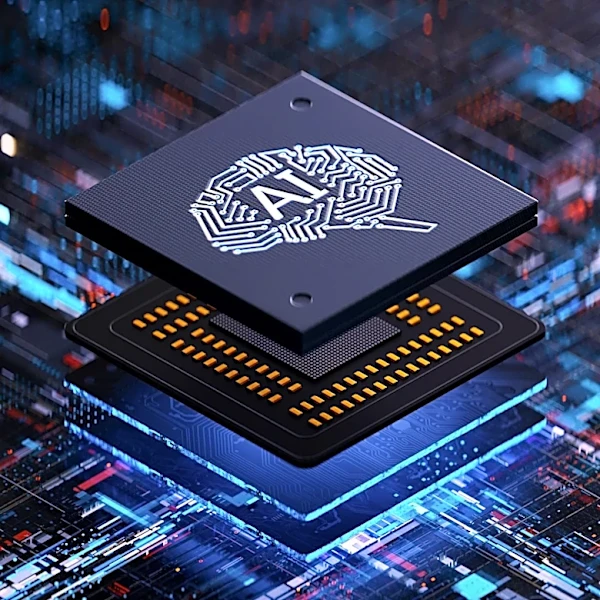
The future of edge computing in manufacturing points towards increasingly integrated and intelligent automation systems. Manufacturers are expected to adopt hybrid architectures that strategically combine edge and cloud computing to optimize workloads based on response time, connectivity, data volume, and security requirements. This will involve deploying AI models directly on edge devices for real-time quality inspection, enabling immediate defect detection without transmitting large image or sensor data to distant servers. The development of digital twins will also heavily leverage edge computing to capture real-time sensor data from machines, while cloud computing will handle data aggregation and broader analysis. Predictive maintenance across multiple facilities will evolve, combining local anomaly detection with cloud-based AI models to identify recurring failure patterns. As manufacturing processes become more interconnected and autonomous, edge computing will facilitate local decision-making, while cloud computing will coordinate information across departments and locations, leading to more sophisticated and secure production systems.
Beyond the Headlines
Beyond its immediate operational benefits, edge computing in manufacturing carries deeper implications for data governance, cybersecurity, and the evolution of industrial workforces. The localized processing of sensitive production data at the edge can enhance data privacy and compliance, particularly in industries with stringent regulatory requirements. However, it also introduces new cybersecurity challenges, as each edge device becomes a potential point of vulnerability, necessitating robust security protocols and management strategies. The widespread adoption of edge computing will likely drive a demand for specialized skills in areas such as industrial IoT, edge AI development, and operational technology (OT) security, prompting a need for workforce retraining and development. Ethically, the increased autonomy of edge-powered systems raises questions about decision-making processes in automated environments and the accountability for actions taken by machines. This technological shift signifies a long-term trend towards more distributed, intelligent, and resilient industrial ecosystems, fundamentally altering how U.S. manufacturing operates and innovates.