





What's Happening?
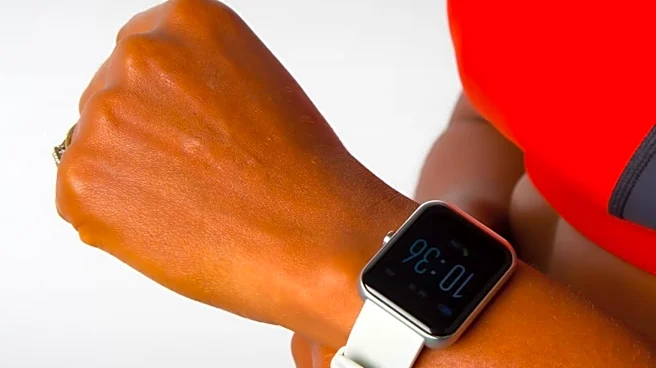
The article discusses the evolving role of wearable technology in supporting healthspan and longevity. Wearables, such as smartwatches and fitness trackers, are increasingly used by consumers to monitor health metrics and support healthy aging. The focus
is shifting from isolated health measurements to a more integrated approach that considers the interconnected systems of the body, including sleep, stress, movement, and cardiovascular function. The next generation of wearables aims to provide comprehensive health intelligence by combining multiple data streams and offering actionable insights. This shift is driven by advances in artificial intelligence, which enable the interpretation of complex health data into practical guidance for users.
Why It's Important?
The integration of wearable technology into daily health management represents a significant shift in how individuals approach their health. By providing continuous health monitoring and personalized insights, wearables empower users to take proactive steps in maintaining their health and preventing disease. This has implications for reducing healthcare costs and improving quality of life, as individuals can address health issues before they become severe. The trend also highlights a growing consumer demand for technology that supports longevity and healthspan, indicating a potential market expansion for companies in the health tech industry.
What's Next?
As wearable technology continues to evolve, we can expect further integration of artificial intelligence to enhance the accuracy and usefulness of health data. Companies may focus on developing more sophisticated sensors and algorithms to provide deeper insights into health trends. Additionally, there may be increased collaboration between tech companies and healthcare providers to ensure that wearable data is effectively used in clinical settings. This could lead to new healthcare models that emphasize preventive care and personalized health management.