


What's Happening?
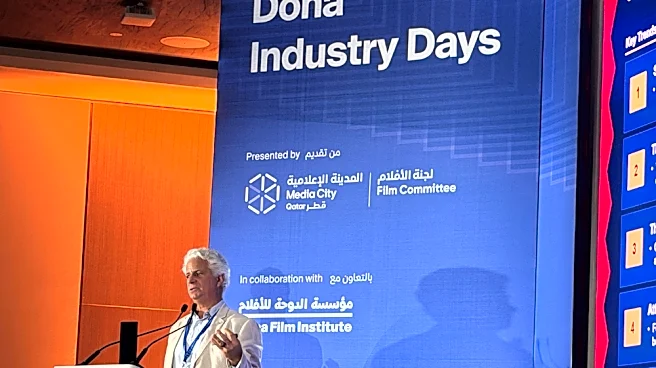
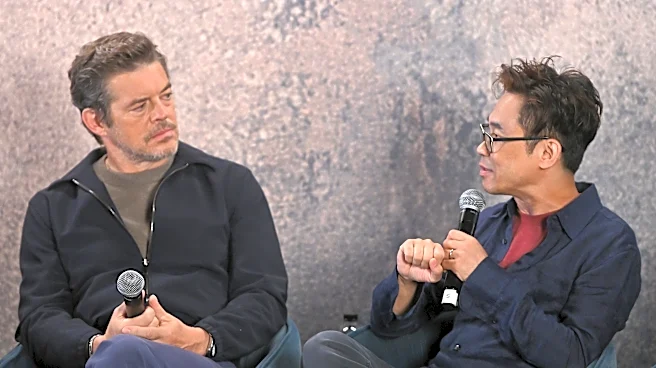
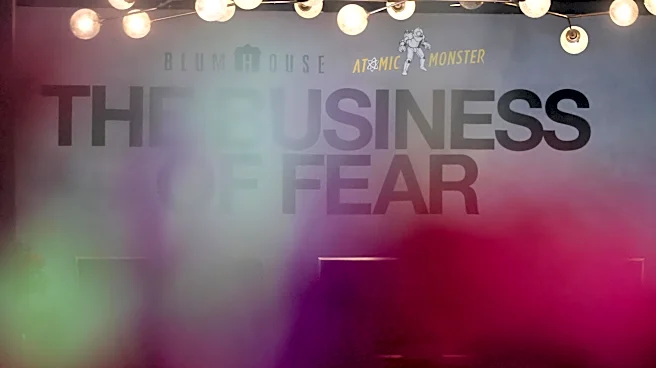
A recent 'Business of Fear' event hosted by Blumhouse and Atomic Monster revealed significant data indicating that Generation Z is a primary driver of box office success within the horror genre. Despite this demographic's strong engagement and contribution
to the industry's revenue, the film industry continues to heavily invest in long-running franchises and reboots. This trend suggests a disconnect between proven audience interest from a key demographic and the production strategies employed by major studios. The event presented hard numbers demonstrating Gen Z's influence, prompting questions about why the industry remains hesitant to embrace new and original voices in horror, opting instead for established intellectual properties that may appeal to older audiences or rely on nostalgia. This situation highlights a tension between market data and traditional industry practices in film production.
Why It's Important?
The findings from the Blumhouse event are important because they underscore a critical shift in audience demographics and preferences within the entertainment industry, particularly in the horror genre. Gen Z's significant role in driving box office success indicates that this demographic possesses considerable purchasing power and influence over cultural trends. The industry's continued focus on reboots and established franchises, despite this data, could lead to missed opportunities for innovation and alienate a crucial segment of the audience. This reliance on familiar titles might be a risk-averse strategy, but it could also stifle creativity and prevent the emergence of new, diverse storytelling. Understanding and adapting to Gen Z's preferences is vital for the long-term health and evolution of the film industry, as this generation represents the future consumer base.
What's Next?
The insights from the Blumhouse 'Business of Fear' event could prompt further discussion and potential shifts in how film studios approach horror production. While immediate changes are unlikely, the data may encourage more studios to consider investing in original horror concepts that resonate with younger audiences. Industry executives and producers might begin to re-evaluate their greenlighting processes, potentially allocating more resources to projects that cater to Gen Z's tastes rather than solely relying on established franchises. This could lead to a gradual increase in original horror films and television series, moving away from the current heavy emphasis on reboots. Additionally, the success of films that do cater to Gen Z could serve as a case study, further influencing future production decisions and potentially opening doors for new filmmakers and storytellers.
Beyond the Headlines
Beyond the immediate box office implications, the industry's reluctance to embrace new voices despite clear market signals from Gen Z points to deeper systemic issues within Hollywood. This phenomenon reflects a broader industry-wide challenge where financial risk aversion often trumps creative innovation. The reliance on reboots and sequels can be seen as a symptom of a business model that prioritizes predictable returns over artistic exploration, potentially leading to a homogenization of content. This approach might also inadvertently limit opportunities for diverse creators and narratives, as established franchises often come with pre-existing creative teams and thematic frameworks. The long-term consequence could be a less vibrant and less representative cinematic landscape, failing to capture the evolving cultural zeitgeist and the diverse perspectives of younger generations.