




What's Happening?
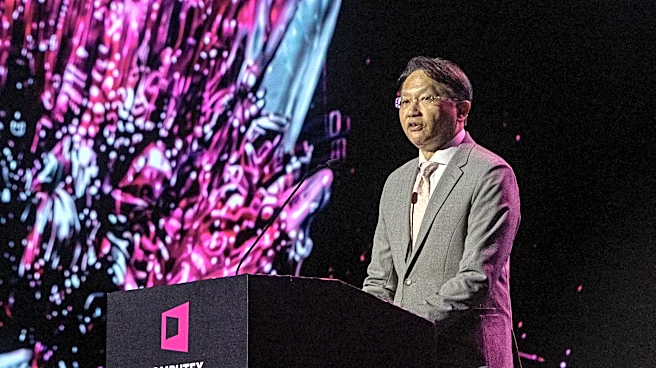
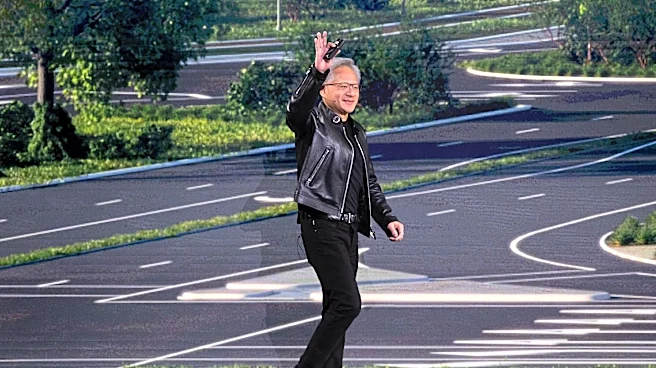
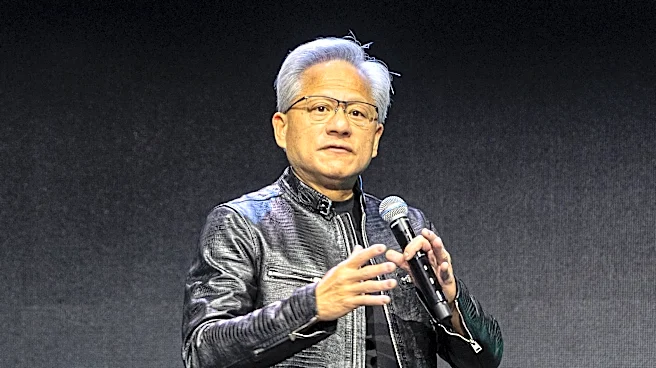
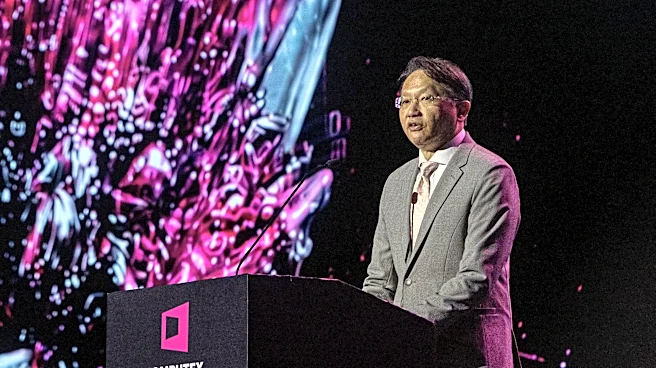
Nvidia's board is reportedly under increasing pressure to reinstate Jensen Huang as CEO, following his resignation and subsequent return. This situation has brought attention to Ian Buck, head of Nvidia's hyperscale and high-performance computing unit,
who was considered a strong contender for the CEO position. Buck's silence during a recent earnings call has been noted amidst the ongoing discussions about leadership. Huang's initial ouster and rapid reinstatement have created a complex scenario for the company's future direction. The board's decision-making process is under scrutiny, especially given the significant shareholder value tied to Huang's leadership. The internal dynamics at Nvidia are currently focused on stabilizing leadership and ensuring continued growth in the highly competitive AI and computing sectors.
Why It's Important?
The leadership turmoil at Nvidia carries significant implications for the technology sector and its investors. Jensen Huang's return reportedly led to a substantial increase in Nvidia's market valuation, highlighting his perceived indispensability to the company's success. This situation underscores the challenges boards face in balancing shareholder value with leadership transitions, particularly in high-growth industries like AI. The uncertainty surrounding the CEO role could affect investor confidence and Nvidia's strategic direction in the long term. For competitors and partners, Nvidia's internal stability is crucial, as the company is a dominant player in AI hardware and software. The outcome of this leadership saga will likely influence how other tech companies approach succession planning and executive retention.
What's Next?
The immediate future for Nvidia will likely involve continued efforts to solidify Jensen Huang's leadership and address any lingering concerns from his brief departure. The board will need to clearly communicate its long-term vision and leadership strategy to reassure investors and employees. Ian Buck's role within the company will also be a point of interest, as his previous consideration for the CEO position indicates his importance to Nvidia's operations. The company will likely focus on maintaining its market position in AI and high-performance computing, potentially through new product announcements or strategic partnerships. Any further shifts in leadership or significant internal changes would be closely watched by the market and industry analysts.
Beyond the Headlines
The Nvidia leadership situation highlights broader themes within the tech industry regarding founder-CEOs and their influence. Huang's significant impact on Nvidia's market value raises questions about the extent to which a company's success is tied to a single individual, and the potential risks associated with such dependence. This scenario could prompt other tech companies to re-evaluate their succession plans and governance structures to ensure resilience against leadership changes. Furthermore, the reported intelligence allegations surrounding Huang's initial ouster suggest potential geopolitical influences on corporate leadership in critical technology sectors, adding another layer of complexity to executive decision-making and board oversight.