








What's Happening?
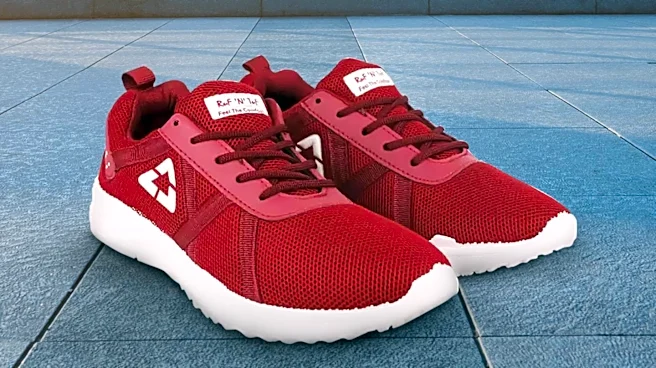
Chinese running shoes have been gaining attention for their high quality and affordability, with many models offering advanced technology at a fraction of the cost of Western brands. Despite this, these shoes remain largely unavailable in the U.S. market.
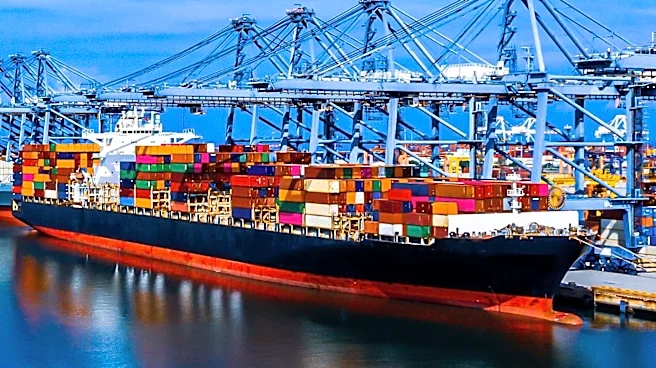
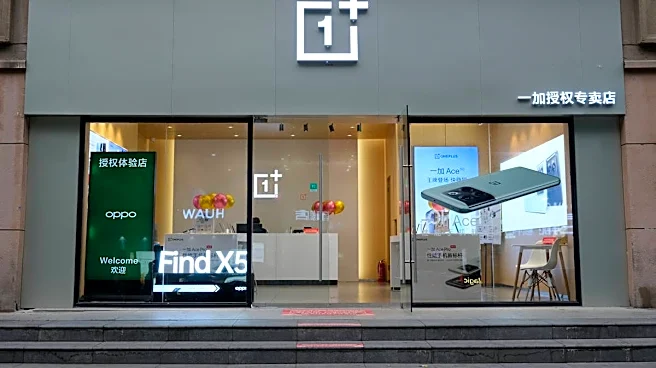
The primary advancements in these shoes are in the materials used for midsoles, which are manufactured in China at a significantly lower cost than imported materials. However, the business model of Chinese brands, which relies heavily on direct-to-consumer sales and lacks the traditional retail partnerships common in the U.S., poses a barrier to their widespread adoption. Additionally, logistical challenges and the need for a U.S.-based distribution system further complicate their entry into the market.
Why It's Important?
The potential entry of Chinese running shoes into the U.S. market could disrupt the current landscape dominated by Western brands like Nike and Adidas. These shoes offer a compelling performance-to-value ratio, which could appeal to cost-conscious consumers and those seeking high-performance footwear. However, the reluctance of Chinese brands to adapt to the U.S. retail environment, including establishing relationships with specialty stores and adopting flexible return policies, limits their market penetration. This situation highlights the complexities of international trade and the challenges faced by foreign companies in adapting to different market dynamics.
What's Next?
For Chinese running shoes to gain a foothold in the U.S., brands will need to invest in marketing and establish a robust distribution network. This may involve forming partnerships with U.S. retailers and adapting their business models to meet local consumer expectations. Additionally, increasing grassroots involvement, such as sponsoring local races and running clubs, could help build brand recognition and consumer loyalty. As the market evolves, it will be crucial for these brands to balance maintaining their competitive pricing with the costs associated with expanding their presence in the U.S.