







What's Happening?
The Kingfish Company N.V., the parent company of Kingfish Maine, has announced an indefinite hold on its proposed aquaculture project in Jonesport, Maine. The decision comes after the company raised less than 60% of its target in a recent share offering
on the Euronext market, securing $2.8 million instead of the anticipated $4.8 million. The company's stock has seen a steady decline since its peak in January 2021, with shares sold at nearly 90% below last year's price. According to a prospectus circulated to potential investors, construction of the Maine facility will not commence until 'favorable legal, commercial, economic, and financing conditions are in place.' Furthermore, the company has not planned any material investments in the next 12 months. While Kingfish Maine possesses all federal, state, and municipal regulatory permits, the Maine Department of Environmental Protection (DEP) has yet to decide on renewing the discharge permit, with a review not expected until early 2027. The DEP is also reviewing recently approved changes to town ordinances that could potentially restart the clock for Kingfish, offering 30 months to demonstrate a substantial construction start, an increase from the prior 24 months.
Why It's Important?
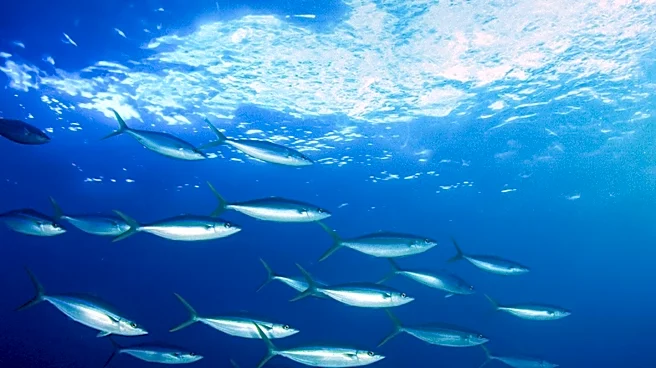
This indefinite hold on the Kingfish aquaculture project carries significant implications for the local economy of Jonesport, Maine, and the broader U.S. aquaculture industry. The proposed $110 million facility, designed to produce 8,500 metric tons of yellowtail kingfish, represented a substantial investment and potential job creation in a rural area. The delay means a loss of anticipated economic benefits, including employment opportunities and increased tax revenue for the town. For the U.S. aquaculture sector, this situation highlights the challenges faced by large-scale projects, particularly those involving significant capital investment and environmental scrutiny. The company's inability to secure sufficient financing, coupled with ongoing regulatory uncertainties, underscores the financial and logistical hurdles that can impede the growth of domestic seafood production. The project's reliance on 'favorable legal, commercial, economic, and financing conditions' suggests a cautious approach by investors towards ventures with long development timelines and potential environmental opposition, which could influence future investment decisions in similar U.S. projects.
What's Next?
The Kingfish Company N.V. will continue to advance necessary regulatory and development work in Maine while awaiting more favorable conditions. The Maine Department of Environmental Protection (DEP) is not expected to review the renewal of the discharge permit until early 2027. Additionally, the DEP has until mid-September to determine the validity of recently approved changes to Jonesport's town ordinances. These amendments could potentially offer concessions to Kingfish, including a lower threshold for what constitutes a 'substantial start' to construction and authorization for the Planning Board to approve revisions without a full site plan review. The company's immediate focus remains on its underlying business, aiming for continual updates to biological and operational performance, increasing production efficiency, and building a sustainable path toward profitability. Construction of the Maine facility will not begin until the company deems legal, commercial, economic, and financing conditions to be favorable, with no material investments planned for at least the next 12 months.
Beyond the Headlines
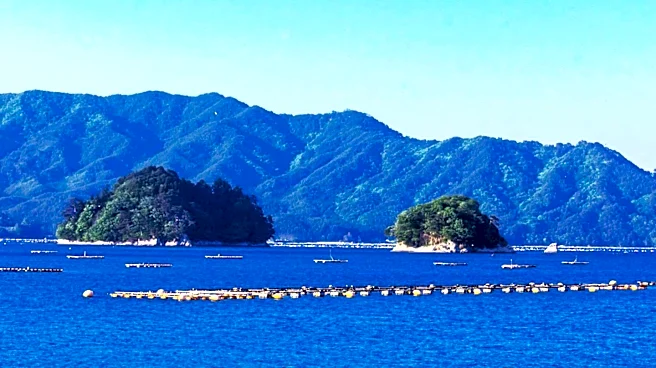
The indefinite postponement of the Kingfish aquaculture project in Jonesport, Maine, extends beyond immediate financial and regulatory concerns, touching upon deeper environmental and community dynamics. The project, which proposed drawing and straining 28 million gallons of seawater daily from Chandler Bay, faced immediate opposition and legal challenges due to environmental concerns. While the Maine Supreme Judicial Court cleared Kingfish Maine to proceed in April 2025, affirming a lower court decision that upheld the state DEP permit, the community's engagement in amending town ordinances reflects ongoing local influence and the power of grassroots movements in shaping industrial development. The situation underscores the complex interplay between economic development, environmental protection, and local governance in coastal communities. It also highlights the ethical considerations surrounding large-scale aquaculture, particularly regarding its potential impact on marine ecosystems and the sustainability of local resources. The delay provides an opportunity for further dialogue and potentially for the company to re-evaluate its approach in light of community concerns and evolving environmental standards.