






What's Happening?
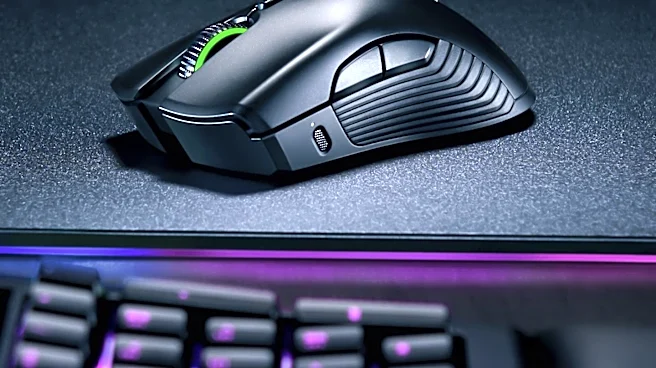
Razer's latest innovation in gaming mouse technology, known as FrameSync, has been independently verified to function as advertised. The Razer Viper V4 Pro, a leading gaming mouse, benefits from this technology, which aligns the sensor's scanning with
the polling rate to optimize performance and battery life. This synchronization is akin to G-Sync technology used in monitors but applied to mouse sensors. Independent testing by a peripheral YouTuber using an oscilloscope confirmed that the FrameSync technology effectively synchronizes the sensor with the polling rate, thereby enhancing responsiveness and conserving power. The Viper V4 Pro boasts a battery life of 180 hours at a 1 kHz polling rate, a testament to the efficiency of FrameSync.
Why It's Important?
The confirmation of Razer's FrameSync technology is significant for the gaming industry, particularly for competitive gamers who rely on precision and responsiveness. By ensuring that the sensor only scans when polled, FrameSync reduces unnecessary power consumption, extending battery life without compromising performance. This innovation could set a new standard for gaming peripherals, pushing other manufacturers to develop similar technologies. For consumers, this means potentially longer-lasting devices and improved gaming experiences. The independent verification adds credibility to Razer's claims, potentially boosting consumer confidence and influencing purchasing decisions.
What's Next?
Following the independent verification, Razer may continue to refine and expand the use of FrameSync technology across its product line. Other gaming peripheral manufacturers might explore similar innovations to remain competitive. The gaming community will likely keep a close watch on further developments and real-world performance feedback. Additionally, Razer might address any minor issues, such as the reported DPI downshift problem, to enhance user experience further. As the technology gains traction, it could lead to broader adoption in various gaming and non-gaming applications.