






What's Happening?
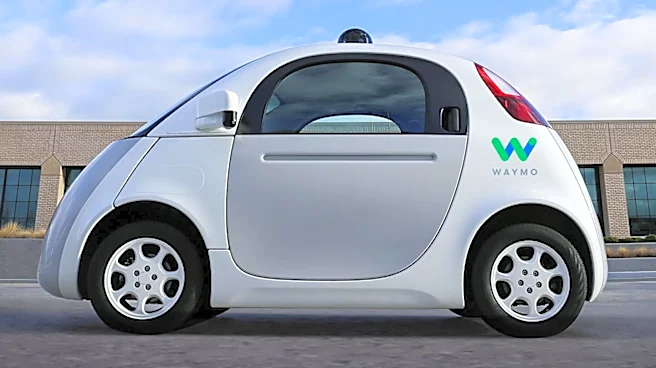
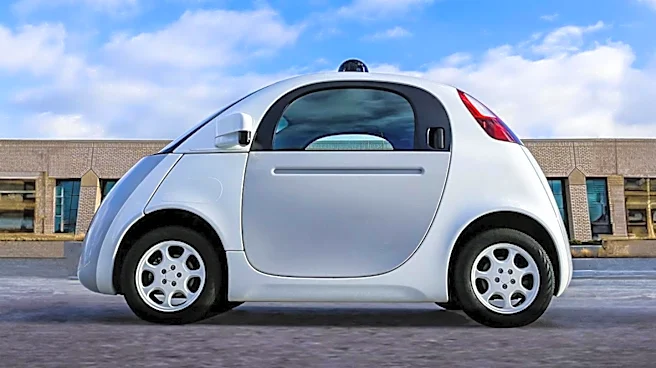
Waymo, the autonomous vehicle company, has come under scrutiny after an incident involving two teenagers in San Mateo, California. The company reported the teens to local police, suspecting them of handling a firearm inside a Waymo vehicle. The object
was later identified as an 'Orbeez' gun, and the teens were found to have been drinking alcohol. Waymo's in-cabin cameras, which are always on, played a crucial role in monitoring the situation and alerting authorities. This incident highlights the capabilities and privacy implications of Waymo's surveillance technology, as the company uses these cameras to ensure safety and enforce in-car rules.
Why It's Important?
The use of in-cabin cameras by Waymo raises significant privacy concerns, especially as autonomous vehicles become more prevalent. While the technology aims to enhance safety and security, it also poses questions about surveillance and data privacy. The incident in San Mateo illustrates the potential for such systems to monitor and report passenger behavior, which could lead to broader implications for privacy rights. As autonomous vehicles continue to integrate into public life, balancing safety with privacy will be a critical issue for regulators, companies, and consumers.
Beyond the Headlines
The broader implications of Waymo's surveillance capabilities extend to ethical and legal dimensions. The ability to monitor passengers in real-time could lead to increased scrutiny and potential misuse of data. There is also the question of how such surveillance aligns with existing privacy laws and what new regulations might be necessary to protect consumer rights. As autonomous vehicle technology evolves, the industry will need to address these concerns to maintain public trust and ensure that advancements do not come at the expense of individual privacy.