






What's Happening?
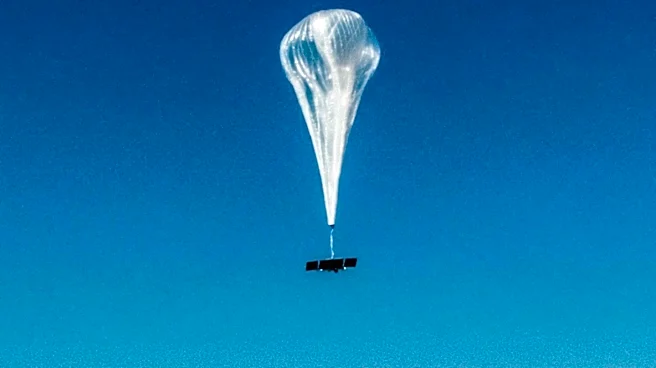
Telecom entrepreneur Walt Anderson has launched Avealto, a startup aiming to provide remote connectivity using stratospheric airships, also known as high-altitude platform stations (HAPS). Avealto, founded in 2013 in the UK, is developing helium-filled,
solar-powered, unmanned airships designed to fly at 65,000 feet in the stratosphere. These airships will hover in a stationary position for months, covering a 150-mile-diameter area with 16 spot beam antennas capable of supporting 30 to 40 cell towers from multiple operators. Anderson claims Avealto's wholesale connectivity will be 80% cheaper and offer better service than current low-Earth orbit (LEO) satellite providers like Starlink. The company is targeting mobile operators, ISPs, wireless ISPs, and VSAT operators in areas with more than ten people per square kilometer that are currently only covered by satellites. Avealto plans to use parts of the Ka- and Ku-bands, typically used by satellites, and share mobile operators' terrestrial spectrum.
Why It's Important?
Avealto's entry into the remote connectivity market could significantly disrupt the satellite internet industry, particularly for backhaul services to telcos. By offering a substantially cheaper alternative, Avealto aims to enable mobile operators to profitably extend coverage to remote areas where satellite solutions are currently cost-prohibitive. This could help bridge the digital divide in underserved regions, providing more affordable and accessible internet services. The success of Avealto could also spur further innovation in HAPS technology, creating a new competitive landscape for broadband connectivity. If Anderson's claims of 80% cost reduction prove accurate, it could force satellite providers to re-evaluate their pricing and service models, ultimately benefiting consumers and businesses in remote locations.
What's Next?
Avealto is currently seeking to raise $50 million to fund the construction of its UK manufacturing facility and the first three full-size, 100-meter-long airships, with initial deployment planned for Malaysia. The company has already secured $825,000 in its current funding round, adding to the $11.6 million previously raised for R&D. Avealto has a smaller, 17-meter-long test vehicle that has undergone extensive testing and is preparing for a final test flight with the UK Civil Aviation Authority by the end of the year. If funding progresses at a reasonable pace, Anderson anticipates the first two airships could be in service in Malaysia within approximately 23 months. Following initial deployment, Avealto plans to fund additional vehicles through debt, expecting each to generate profitable revenue from the start. The company's success will depend on its ability to secure the necessary funding and successfully deploy its commercial-scale airships.
Beyond the Headlines
The resurgence of interest in HAPS technology, as exemplified by Avealto, signals a potential paradigm shift in how remote connectivity is delivered. While previous HAPS ventures by companies like Google (Loon) faced challenges, advancements in battery and solar panel technologies, along with more mature unmanned aircraft control software, are making these platforms more viable. Avealto's focus on wholesale backhaul rather than direct-to-device connectivity differentiates its strategy from many other HAPS and LEO players, potentially allowing it to carve out a significant niche. This development highlights the ongoing quest for innovative solutions to global connectivity challenges, pushing the boundaries of aerospace and telecommunications engineering. The competition between stratospheric platforms and satellite constellations could lead to a more diverse and resilient global communication infrastructure.