






What's Happening?
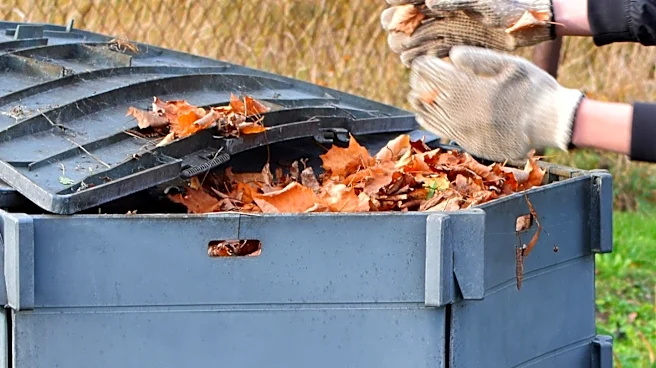
Composting at home is a process that converts organic waste, such as food scraps and yard debris, into a valuable soil amendment. This method involves using a compost bin or pile to break down materials, creating nutrient-rich soil often referred to as 'black
gold.' The success of home composting relies on maintaining a balance between nitrogen-rich 'greens' (like vegetable scraps and fresh grass clippings) and carbon-rich 'browns' (such as dry leaves and shredded cardboard). A general guideline suggests a ratio of approximately two to three parts browns to one part greens. Materials to avoid in a typical home compost pile include meat, fish, dairy products, oils, and pet waste, as these can attract pests, create unpleasant odors, and introduce harmful bacteria. Various composting methods exist, including backyard composting, vermicomposting (using worms), and Bokashi composting, which ferments food waste. The process reduces landfill waste and produces a natural fertilizer for gardens.
Why It's Important?
Home composting plays a significant role in environmental sustainability and resource management. By diverting organic waste from landfills, it helps reduce the production of methane, a potent greenhouse gas generated when organic matter decomposes anaerobically in landfills. This contributes to mitigating climate change and lowering overall greenhouse gas emissions. For individuals and communities, composting provides a cost-effective and natural way to enrich soil, reducing the need for synthetic fertilizers and pesticides. This leads to healthier plants, improved soil structure, and better water retention, which can be particularly beneficial in areas facing water scarcity. The practice also fosters a greater connection to food systems and waste reduction efforts, promoting a more circular economy at the household level. The resulting compost enhances soil fertility, supporting more robust plant growth and potentially increasing crop yields for home gardeners.
What's Next?
As awareness of environmental benefits grows, home composting is likely to see increased adoption and innovation. Educational initiatives and community programs may expand to teach more individuals about effective composting techniques and the types of materials suitable for composting. There could be a rise in demand for specialized composting equipment, such as advanced compost bins, tumblers, and vermicomposting systems, designed for various living situations, including urban environments. Furthermore, local governments might introduce incentives or regulations to encourage residential composting, potentially leading to curbside organic waste collection programs or subsidies for composting equipment. Research into optimizing composting processes, such as faster decomposition methods or ways to safely compost a wider range of organic materials, may also continue to evolve, making home composting even more accessible and efficient for a broader population.
Beyond the Headlines
The widespread adoption of home composting could have deeper implications beyond immediate environmental and gardening benefits. It represents a shift in consumer behavior towards greater personal responsibility for waste management and a more sustainable lifestyle. This practice can foster a 'reduce, reuse, recycle' mindset, encouraging individuals to think critically about their consumption patterns and the lifecycle of products. Culturally, it can strengthen community bonds through shared knowledge and resources, such as local composting workshops or compost exchanges. Ethically, it aligns with principles of ecological stewardship, promoting a healthier planet for future generations. Economically, a reduction in organic waste sent to landfills can decrease municipal waste management costs, potentially freeing up resources for other public services. Over the long term, a society that embraces composting could see a significant decrease in reliance on chemical fertilizers, leading to healthier ecosystems and potentially more nutritious food.