





What's Happening?
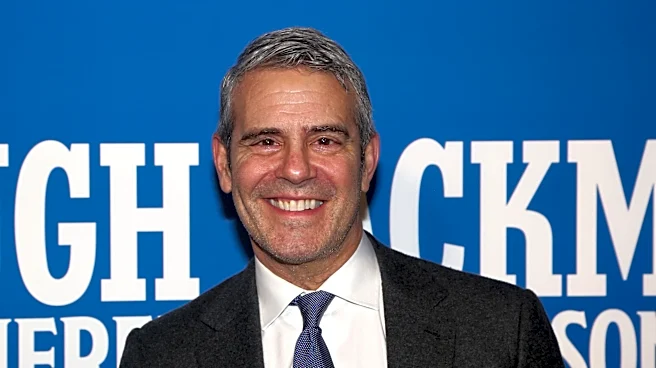
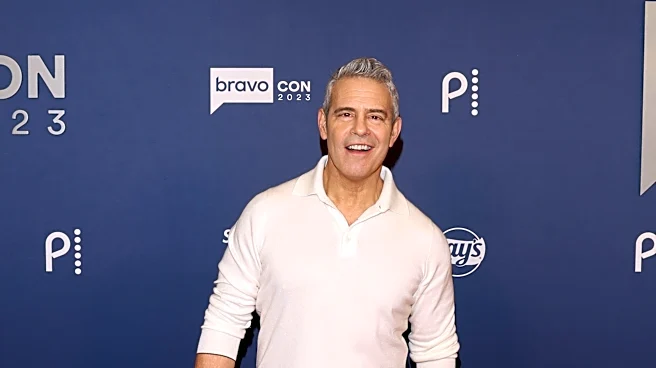
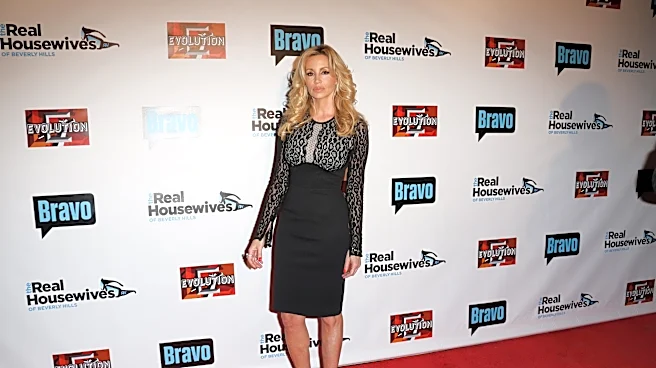
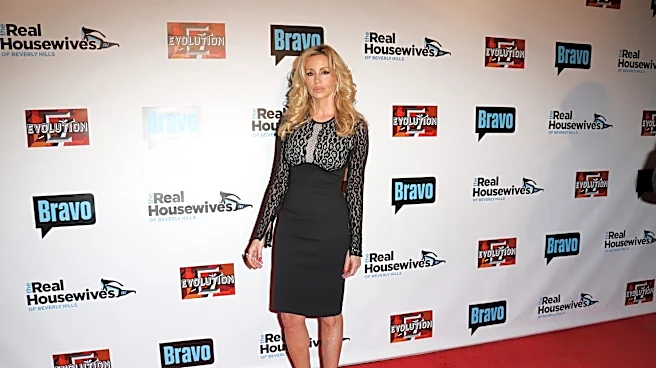
Camille Grammer, a former cast member of 'The Real Housewives of Beverly Hills' (RHOBH), has publicly criticized Andy Cohen regarding his behavior during a past reunion episode. Grammer specifically accused Cohen of 'rattling off' mean adjectives about
her during the reunion, contributing to her feeling 'villainized' on the show. She recalled a period where she felt she was the 'most hated housewife' due to the portrayal and treatment she received. This public statement by Grammer highlights ongoing discussions among reality television personalities about their experiences with show producers and hosts, particularly concerning how their narratives are shaped and presented to the audience. Her comments suggest a perceived lack of impartiality or support from Cohen during a critical on-screen event, which she believes negatively impacted her public image and personal experience on the reality series. The incident she references points to the often-contentious nature of reality TV reunions, where past conflicts and characterizations are revisited and amplified.
Why It's Important?
This criticism from Camille Grammer is important as it sheds light on the power dynamics within reality television production and the potential impact on participants' reputations. When a prominent figure like Andy Cohen, who is deeply involved in the 'Real Housewives' franchise, is accused of biased behavior, it raises questions about fairness and the ethical responsibilities of show hosts. For viewers, it can influence their perception of the authenticity of reality television and the narratives presented. For current and former cast members, such public statements might encourage others to share similar experiences, potentially leading to broader discussions about participant welfare and treatment in the industry. The 'villainization' Grammer describes can have lasting effects on a person's public image, career opportunities, and personal well-being, underscoring the significant influence that show editing and host commentary can wield over reality TV personalities.
What's Next?
Following Camille Grammer's public comments, there could be various reactions within the reality television sphere. Andy Cohen or Bravo may choose to address her statements directly, either publicly or privately, to clarify their stance or offer a response. Other past or present 'Real Housewives' cast members might be prompted to share their own experiences, either in support of Grammer or in defense of Cohen and the production. This could lead to further public discourse on social media and in entertainment news outlets regarding the treatment of reality TV stars. The incident may also spark internal discussions within production companies about host conduct during reunions and the overall portrayal of cast members. For Grammer, her comments could either garner support from fans and fellow cast members or potentially lead to further scrutiny of her past actions on the show.
Beyond the Headlines
Grammer's accusations touch upon deeper implications concerning the psychological impact of reality television participation and the blurred lines between entertainment and personal well-being. The concept of 'villainization' in reality TV is a common narrative device, but when participants feel it is unfairly orchestrated or exacerbated by hosts, it raises ethical questions about exploitation and manipulation. This situation highlights the ongoing debate about the authenticity of 'reality' in reality television and the extent to which producers and hosts influence outcomes and perceptions. It also underscores the vulnerability of individuals who expose their lives on such platforms, often without full control over how their stories are ultimately told. The long-term effects of such public portrayals on individuals' mental health and post-show careers are significant, prompting a need for greater transparency and accountability within the industry.