




What's Happening?
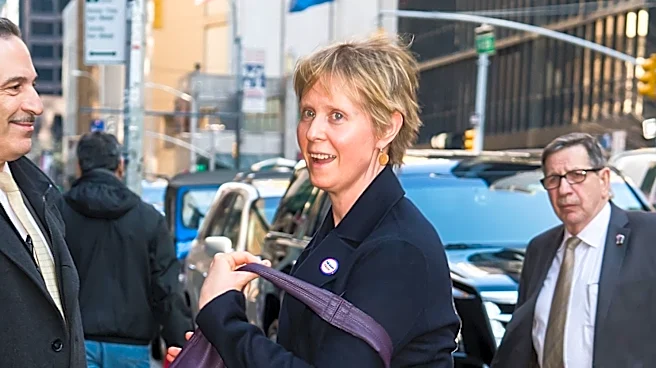
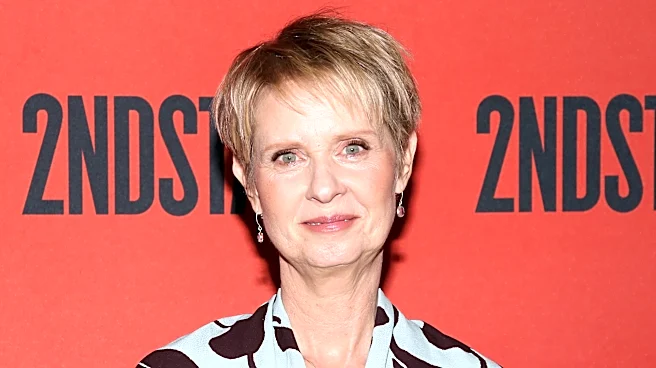
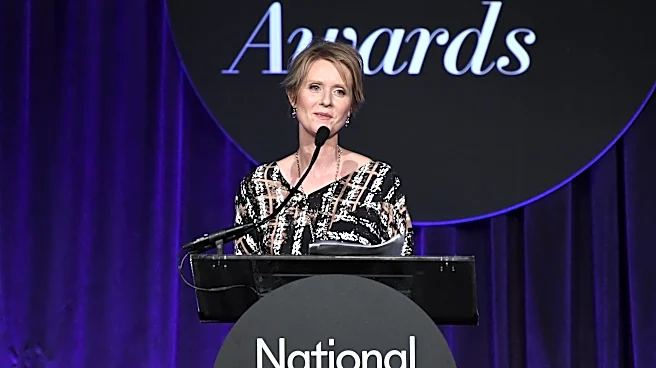
Actress and activist Cynthia Nixon has publicly defended the character arc of Miranda Hobbes in the 'Sex and the City' reboot, 'And Just Like That...'. Speaking to The New York Times, Nixon expressed her support for Miranda's transformation, which included
a divorce, pursuing a master's degree in human rights, and exploring a relationship with a nonbinary character, Che Diaz. This evolution, often described by viewers as 'woke' and 'clumsy,' led to mixed reactions, with some fans expressing disappointment over the character's perceived departure from her original portrayal. Nixon acknowledged the audience's 'horror' at Miranda's sadness, alcoholism, and awkward attempts at becoming 'woke' but stated she 'loved that' aspect of the character's journey. She emphasized that reinvention and learning later in life can appear awkward, and she appreciated that the show reflected this reality. Nixon also revealed that her decision to join the reboot was partly motivated by a desire to address the original series' lack of diversity and its outdated portrayals of certain communities.
Why It's Important?
Cynthia Nixon's defense of Miranda Hobbes' 'woke' storyline highlights a broader cultural conversation about character development, representation, and the evolution of beloved fictional figures in contemporary media. The strong reactions from viewers, ranging from criticism to appreciation, underscore the public's investment in these characters and their narratives. This situation reflects the challenges faced by creators when attempting to update established franchises to align with modern social values and address past shortcomings, such as a lack of diversity or stereotypical portrayals. The debate surrounding Miranda's character also touches upon the complexities of depicting personal growth and social awareness, particularly when it involves characters from a different era. For the entertainment industry, this case illustrates the delicate balance between honoring a show's legacy and adapting it to resonate with a new, more socially conscious audience, often leading to passionate discussions among fans and critics alike.
What's Next?
While 'And Just Like That...' has concluded its run, the discussion surrounding Miranda Hobbes' character evolution is likely to persist as a case study in television reboots and character reinvention. The show's lukewarm reception and eventual cancellation, which Nixon admitted she was 'not at all ready' for, suggest that future reboots may approach character changes with increased caution or more extensive audience engagement. The conversation initiated by Nixon's comments could influence how writers and producers tackle the modernization of classic characters, potentially leading to more nuanced approaches that balance contemporary relevance with character integrity. This ongoing dialogue may also encourage further critical analysis of how 'wokeness' is portrayed in media and its impact on audience reception, particularly when applied to established and cherished fictional universes.
Beyond the Headlines
The controversy surrounding Miranda Hobbes' 'woke' journey extends beyond mere plot points, touching upon deeper societal shifts and expectations for media representation. The original 'Sex and the City' was groundbreaking for its portrayal of women's sexuality and friendships but has been criticized in retrospect for its lack of diversity and occasional reliance on stereotypes. The reboot's attempt to rectify these 'past mistakes' by introducing more diverse characters and storylines, including Miranda's exploration of her identity and social awareness, reflects a broader cultural push for inclusivity and authenticity in storytelling. However, the audience's mixed reactions suggest that while the intent to be more 'woke' is often appreciated, the execution can be challenging. This scenario highlights the ethical and cultural dimensions of adapting beloved narratives for a new era, where creators must navigate evolving social norms while maintaining the essence of what made the original stories resonate with audiences.