







What's Happening?
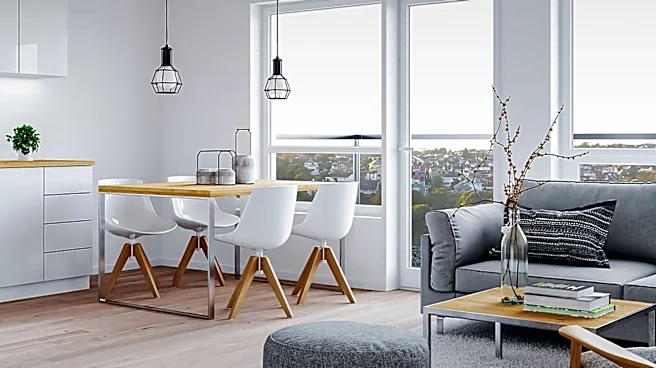
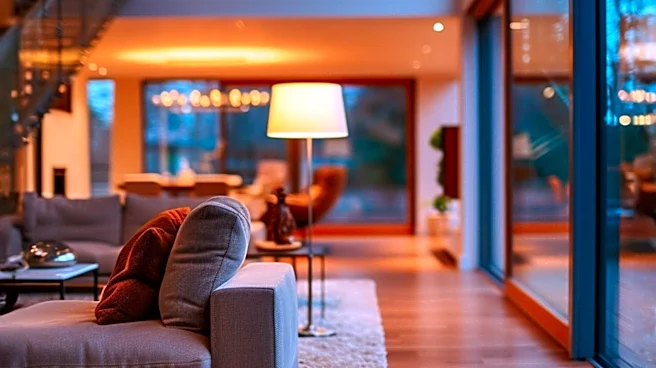
Scandinavian minimalism is a design philosophy characterized by simplicity, functionality, and a strong connection to nature. Key elements include maximizing natural light, incorporating warmth into minimalist aesthetics, and embracing 'hygge,' the Danish
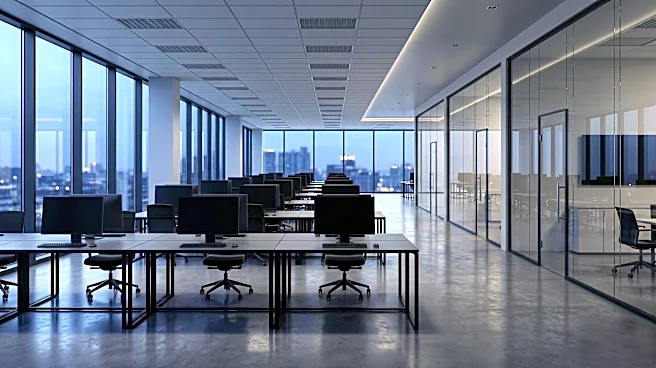
concept of cozy contentment. This design approach is evident in Scandinavian house plans, which often feature small, serene, and minimalist environments that prioritize comfort and straightforwardness. While adaptable, the design may require modifications for different cultural contexts; for instance, Indian homes might opt for mid-tone flooring to better manage higher dust accumulation. The principles of Scandinavian design are also applied in office settings, where minimalism is enhanced with strategic pops of color and natural materials.
Why It's Important?
The widespread adoption and adaptation of Scandinavian minimalism highlight a global shift towards more functional, sustainable, and aesthetically clean living and working spaces. This design trend influences U.S. industries by promoting the use of natural materials, efficient space utilization, and a focus on well-being, which can impact furniture manufacturing, interior design services, and real estate development. For consumers, it offers a pathway to decluttered and calming environments, potentially reducing stress and enhancing productivity. The emphasis on natural light and connection to nature also aligns with growing environmental consciousness, encouraging architects and designers to integrate these elements into their projects, thereby influencing building codes and urban planning towards more biophilic designs.
What's Next?
The evolution of Scandinavian minimalism is likely to continue, with a growing emphasis on sustainability and personalized adaptations. Designers may further explore how to integrate smart home technology seamlessly into minimalist environments without compromising aesthetic simplicity. There could be an increased focus on modular and multi-functional furniture to maximize space efficiency, particularly in urban areas. Additionally, as global cultures increasingly interact, more localized adaptations of Scandinavian principles, similar to those seen in Indian homes, are expected, demonstrating the design's versatility and enduring appeal. The trend towards warmer neutrals and away from stark whites, as noted in recent shifts, suggests a continuous refinement of the aesthetic to suit diverse climates and preferences.
Beyond the Headlines
Beyond its aesthetic appeal, Scandinavian minimalism reflects deeper cultural values centered on well-being, practicality, and a balanced lifestyle. The concept of 'hygge' underscores the importance of creating comfortable and inviting spaces that foster social connection and personal contentment, challenging the purely utilitarian aspects often associated with minimalism. This design philosophy can influence consumer behavior by encouraging mindful consumption and a preference for quality over quantity, potentially leading to a reduction in waste and a more sustainable approach to home decor. It also subtly promotes mental clarity and reduces visual clutter, contributing to a more peaceful psychological environment in homes and workplaces, thereby impacting overall societal well-being and productivity.