





What's Happening?
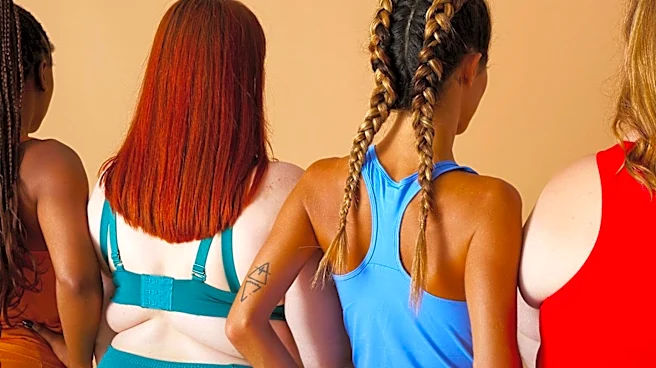
The fashion industry is undergoing a significant transformation driven by the body positivity movement, which advocates for self-acceptance and confidence across all body sizes. Historically, individuals with larger body types faced limited fashion options
and societal stigma. However, recent years have seen a growing emphasis on inclusivity, leading to greater visibility and acceptance of diverse body types within the fashion sector. Influential figures, including designers like Lane Bryant and models such as Ashley Graham, have been instrumental in advancing plus-size fashion and challenging conventional beauty standards. This shift has resulted in a more dynamic and vibrant plus-size fashion scene, offering a wider array of choices that cater to individual tastes and needs, moving away from outdated designs and inconsistent sizing that previously plagued the market. The societal revolutions of the 1960s and 70s, coupled with the body positivity movement gaining momentum in the late 20th century, have further propelled this demand for variety and inclusivity in fashion.
Why It's Important?
The evolution of body positivity in fashion holds significant importance for U.S. society and the retail industry. For consumers, it fosters self-esteem and body image, allowing individuals to find clothing that empowers them and celebrates their uniqueness. This movement challenges long-standing traditional beauty standards, promoting a more accepting and inclusive societal view of diverse body types. Economically, the growing demand for inclusive fashion has opened up a substantial market segment, encouraging brands to expand their sizing and design offerings. Companies that embrace body positivity and cater to plus-size individuals stand to gain a competitive advantage and increased market share. Conversely, brands that fail to adapt risk alienating a significant portion of the consumer base. The shift also influences marketing strategies, with a move towards more inclusive campaigns that resonate with a broader audience, impacting advertising spend and brand perception across the U.S. retail landscape.
What's Next?
The future of plus-size fashion is expected to continue its trajectory towards greater inclusivity, sustainability, and technological integration. Consumers can anticipate more collaborations between brands that specifically cater to plus sizes, leading to an even wider range of stylish and modern options. Innovations in materials and design will likely focus on enhancing comfort and fit for diverse body shapes. Furthermore, marketing campaigns are projected to feature even broader representation, solidifying the acceptance of all body types in mainstream fashion. The ongoing advocacy for more variety and consistent sizing across brands will likely push the industry to address existing challenges, such as limited trendy options and sizing discrepancies. This sustained pressure from consumers and advocates will continue to shape the offerings and practices of fashion retailers and designers in the U.S., ensuring that inclusivity remains a central theme.
Beyond the Headlines
Beyond the immediate commercial and social impacts, the body positivity movement in fashion carries deeper ethical and cultural implications. It signifies a broader societal shift towards valuing authenticity and individual expression over rigid, often unattainable, beauty ideals. This movement encourages a critical examination of how media and advertising have historically shaped perceptions of the 'ideal' body, prompting a re-evaluation of these influences. Culturally, it contributes to a more empathetic and understanding society, where differences are celebrated rather than marginalized. Legally, there could be increasing pressure for standardized sizing across the industry to address consumer frustrations and promote fairness. The long-term shift could lead to a fashion landscape where 'plus-size' becomes less of a niche category and more an integrated aspect of mainstream design, reflecting the true diversity of the population and fostering a more equitable and representative industry.