






What's Happening?
Amazon modifies its delivery operations on Labor Day, similar to other major holidays, by balancing reduced corporate staffing with maintained coverage in key logistics hubs. This results in a varied experience for customers, with some orders proceeding
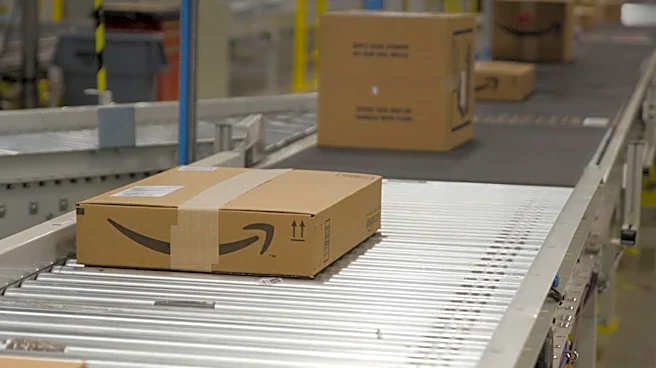
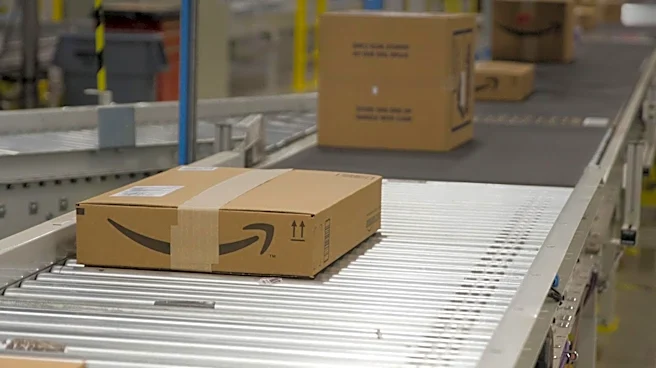
smoothly while others may encounter typical holiday delays. While Amazon does not halt operations entirely, it runs a modified schedule, meaning core services continue but with adjustments to timelines and in-person support. Shipping and delivery operations, though the backbone of Amazon's performance, may see slightly longer processing times due to reduced crews at loading docks and fewer vehicles on the road. Amazon typically provides incentives, such as boosted earnings or guaranteed minimum pay, to encourage delivery drivers and warehouse staff to work on the holiday, helping to maintain service levels.
Why It's Important?
Amazon's approach to Labor Day operations is significant for the U.S. e-commerce sector and consumer expectations. By maintaining modified services, Amazon ensures that online shopping remains a viable option even on a federal holiday, catering to the increasing demand for convenience and rapid delivery. This strategy impacts numerous stakeholders: consumers benefit from continued access to goods, while Amazon's vast network of drivers and warehouse staff face decisions regarding holiday work, often influenced by financial incentives. The potential for delays, even minor ones, underscores the logistical complexities of operating at scale during holidays and highlights the reliance of modern commerce on a continuous supply chain. For businesses that depend on Amazon for their logistics, understanding these adjustments is crucial for planning and managing customer expectations.
What's Next?
Customers should anticipate that Amazon's standard shipping timelines may include an extra day or two for select destinations around Labor Day. While premium options like same-day and one-day delivery will likely remain available in many metropolitan areas, their availability will depend on local inventory and driver capacity. Customer service channels may experience longer hold times due to reduced staffing, making virtual assistance and online help centers more critical for inquiries. Third-party sellers operating through Amazon's marketplace will continue to have varying shipping capabilities, with seller-fulfilled items depending on individual merchant practices. Amazon is expected to continue updating its website and app with holiday shipping cutoffs and delivery estimates to manage customer expectations effectively.
Beyond the Headlines
Amazon's holiday operational model reflects a broader societal trend towards continuous service and the blurring lines between workdays and holidays in the digital age. The reliance on incentives for drivers and warehouse staff to work on federal holidays highlights the economic pressures and opportunities within the gig economy and logistics sector. This model also raises questions about the future of traditional holidays as periods of collective rest, as e-commerce platforms strive to meet ever-increasing consumer demands for speed and convenience. The technological investments in forecasting, automation, and dynamic routing underscore the industry's efforts to mitigate disruptions, but also point to the ongoing human element required to keep such vast systems operational, even on holidays.