



What's Happening?
Hands-free technology, including voice assistants, smart accessories, and connected devices, is increasingly being integrated into modern business environments. This shift allows professionals to manage tasks and access information without constant manual
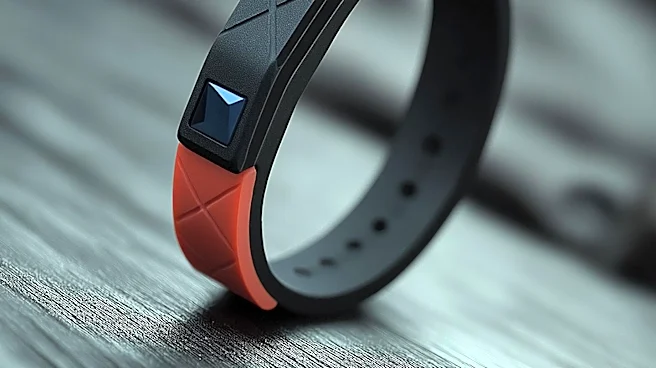
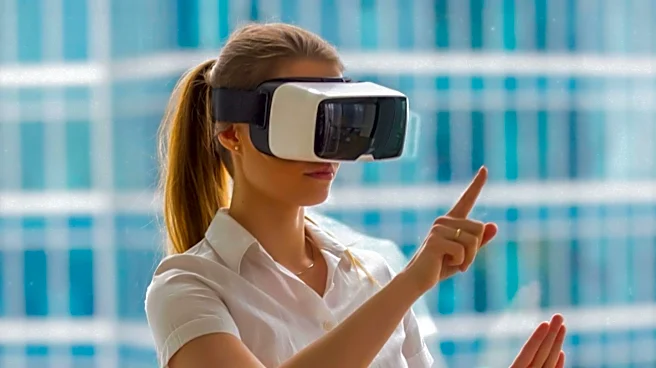
interaction with smartphones or computers. The technology aims to provide practical support for busy routines, particularly for entrepreneurs, working parents, and small business owners who often juggle multiple responsibilities. Voice-controlled assistants can help with everyday organization by setting reminders, checking schedules, and controlling compatible devices. Wearable technologies like smart eyewear are also emerging, offering features such as voice-controlled communication and audio playback, allowing professionals to stay connected while on the move. This trend is driven by the need for more flexible ways to manage professional and personal commitments, especially in home-based business settings where work and family life often overlap.
Why It's Important?
The adoption of hands-free technology is significant because it addresses the challenges of multitasking and constant interruptions faced by modern professionals. Traditional workplace tools often demand direct interaction, which can create small disruptions throughout the day. Hands-free devices offer an alternative by enabling users to perform selected tasks more conveniently, such as setting a reminder while preparing an order or managing a phone call during a commute. This convenience can lead to increased efficiency and better time management, particularly for individuals balancing business and household responsibilities. For home-based businesses, these technologies can help organize tasks and communications across different environments. However, it also highlights the importance of maintaining healthy boundaries to prevent technology from leading to an expectation of constant availability and multitasking, which could negatively impact work-life balance.
What's Next?
The continued evolution of hands-free technology is expected to further integrate into daily professional life, offering more sophisticated ways to manage tasks and communications. Future developments may focus on enhancing compatibility across various devices and platforms, improving privacy settings, and extending battery life to support prolonged use. Businesses and individuals will likely continue to evaluate these tools based on their specific needs, considering how they can genuinely simplify existing activities rather than introduce new complexities. The emphasis will remain on choosing technology that supports established routines and clear boundaries, ensuring that convenience contributes to a more organized workday without creating an expectation of constant engagement. As these technologies become more prevalent, there will also be an increased focus on ethical considerations, data security, and recording policies, especially in professional settings.
Beyond the Headlines
Beyond the immediate benefits of convenience and efficiency, the widespread adoption of hands-free technology could reshape the nature of work and personal boundaries. The ability to perform tasks without direct physical interaction with devices might blur the lines between work and leisure, potentially increasing the pressure for constant availability. This raises ethical questions about the right to disconnect and the psychological impact of perpetual connectivity. On the other hand, it could foster greater inclusivity by providing alternative interaction methods for individuals with certain physical limitations. The integration of these technologies into everyday objects, such as smart eyewear, also points towards a future where digital interfaces are seamlessly woven into our physical environment, potentially altering how we perceive and interact with information and each other. The challenge will be to harness these advancements to enhance productivity and well-being without compromising personal space or mental health.