






What's Happening?
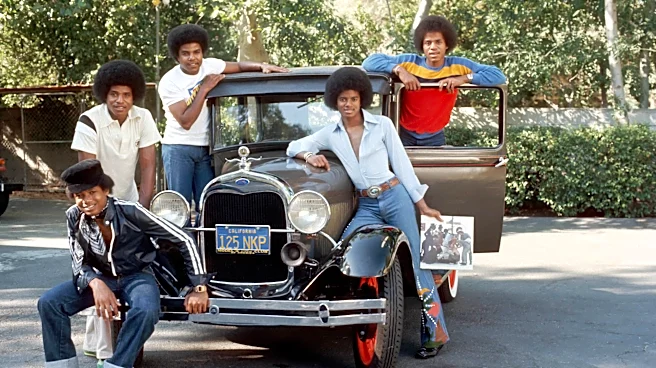
Seven previously unreleased tracks, believed to have been recorded in 1976 at Crystal Sound Recording Studios in Los Angeles, have surfaced, reportedly featuring Michael Jackson, then 17, and his brothers. Producers Susan Michelson and Alex Cyrell provided
these songs to Rolling Stone. The lead vocals on these recordings sound like Michael Jackson, with backing vocals resembling Jackie, Marlon, Tito, and Randy Jackson. Notably, Janet Jackson, who was a child at the time, also appears on these recordings, possibly marking her first-ever studio sessions. She reportedly sang on some tracks and performed duets with Randy Jackson on four songs: "Rock You to Your Socks," "The Two of Us," "You're My Everything," and "Sugar Candy Kisses." Joe Jackson reportedly arranged these sessions, hiring Bobby Taylor as the lead producer, with Epic Records funding the work. The Jacksons had recently signed with Epic Records in 1975 after leaving Motown in March 1976.
Why It's Important?
The emergence of these unreleased recordings offers a significant historical insight into the early careers of Michael and Janet Jackson, two of the most influential figures in music history. For Michael Jackson, these tracks capture his voice at a pivotal age, just before his 18th birthday, providing a rare glimpse into his vocal development during a transitional period for The Jacksons as they moved to Epic Records. For Janet Jackson, these recordings could represent her earliest known studio work, offering a foundational look at her musical beginnings. This discovery could reshape understanding of the Jackson family's collaborative dynamics and individual talents during a crucial phase of their collective and individual artistic journeys. The involvement of Epic Records and the detailed documentation of pay stubs and studio receipts lend credibility to the authenticity of these sessions, making them a valuable archival find for music historians and fans alike.
What's Next?
The future of these unreleased recordings remains uncertain. Sony, which acquired Epic's CBS Records in 1988 and now owns the recordings, has declined to comment on the matter. Representatives for Michael Jackson's estate have also not commented, though neither party has denied that the sessions took place. This lack of official comment leaves open the possibility of future release or continued archival status. Producers Michelson and Cyrell have been attempting to bring these recordings to light, with previous discussions with former Sony executives yielding no definitive release plans. The music industry and fans will likely watch closely for any developments regarding the potential official release or further details about these historical tracks, which could lead to renewed interest in the Jackson family's early work.
Beyond the Headlines
The surfacing of these recordings highlights broader issues within the music industry concerning the ownership, preservation, and eventual release of archival material. The fact that these tracks remained unreleased for decades, despite their historical significance, underscores the complex legal and commercial considerations involved in managing artists' legacies. It also raises questions about the role of producers and estates in safeguarding and eventually sharing such valuable cultural artifacts. The differing recollections from individuals involved at the time, such as former Epic senior vice president Ron Alexenburg, further illustrate the challenges in piecing together historical narratives in the absence of official documentation or clear institutional memory. This situation could prompt discussions about best practices for cataloging and making accessible unreleased works, ensuring that significant musical contributions are not lost to time or corporate archives.