
What's Happening?
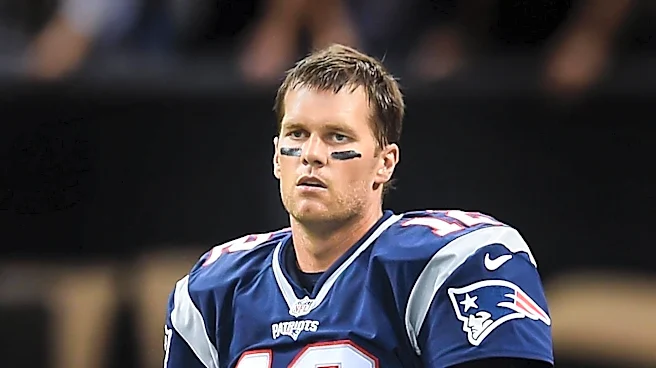
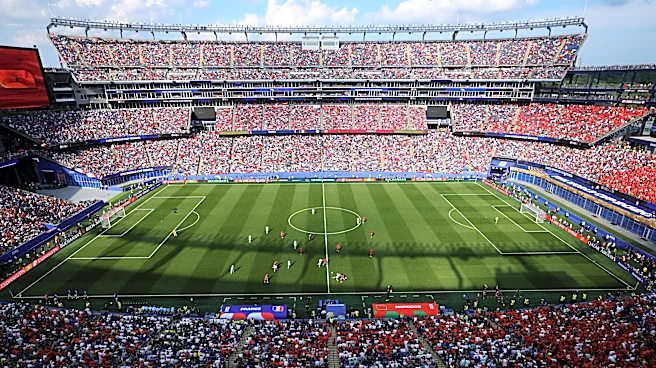
Robert Kraft, owner of the New England Patriots, is facing criticism from his players over his decision not to permanently switch the Gillette Stadium field from artificial turf to grass. This issue gained
attention after the FIFA World Cup, hosted in part at NFL stadiums, including Gillette Stadium, where temporary grass was installed for the event. NFL players, including those from the Patriots, have long advocated for grass fields, citing better performance and reduced injury risks compared to artificial turf. Despite these concerns, Kraft has not committed to making a permanent change. The NFL recently deemed the current turf at Gillette Stadium 'noncompliant,' prompting a rush to replace it before the Patriots' preseason game against the Indianapolis Colts.
Why It's Important?
The decision by Robert Kraft not to switch to a grass field at Gillette Stadium has broader implications for player safety and performance in the NFL. Grass fields are generally considered safer, with a lower risk of injuries, which is a significant concern for players and the NFL Players Association. The reluctance to make this change could affect team morale and player satisfaction, potentially impacting performance on the field. Additionally, this situation highlights a broader debate within the NFL about the type of playing surfaces used across the league, with potential long-term implications for player health and safety standards.
What's Next?
The Patriots are currently working to replace the noncompliant turf at Gillette Stadium to meet NFL standards before their upcoming preseason game. However, the broader issue of whether to switch permanently to grass remains unresolved. This decision could prompt further discussions among NFL teams and the league about the benefits of grass fields. Players and the NFLPA may continue to advocate for changes, potentially influencing future decisions by team owners. The outcome of these discussions could lead to policy changes regarding field surfaces in the NFL.