

What's Happening?
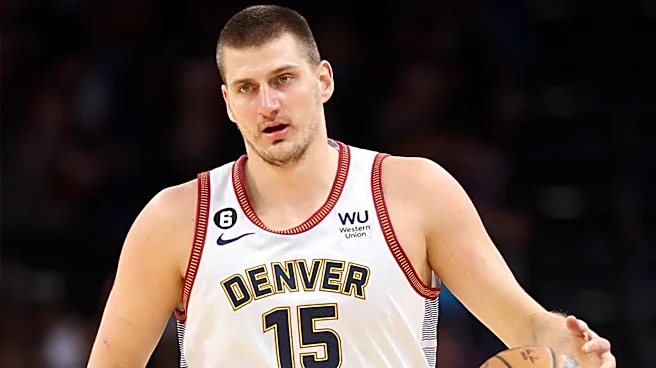
Nikola Jokic, the Denver Nuggets' star player, has voiced increasing frustration regarding the constant public attention and demands that accompany his NBA superstar status. In a recent appearance on the 'Jao Mile' podcast, Jokic admitted to becoming
more irritable when approached by fans in public, attributing this to the exhaustion of over a decade in the league. He emphasized his desire for a quieter, more private lifestyle, stating that he prefers to avoid public interactions to protect his personal time. Jokic clarified that his discontent is not with his supporters but with the erosion of his personal space due to fame. He noted that while fans might view an interaction as a unique memory, for him, it can be one of many interruptions in a day, comparing constant photo requests to observing an animal in a zoo. Despite these personal challenges, Jokic remains focused on his team's future, even as speculation about his potential departure arises due to his contract year.
Why It's Important?
Jokic's candid remarks highlight a growing tension between the public persona demanded of sports superstars and their desire for personal privacy. This situation is important as it sheds light on the mental and emotional toll that intense fame can take on professional athletes, even those who are highly successful and well-compensated. For the NBA and other professional sports leagues, this raises questions about player well-being and the balance between fan engagement and respecting athletes' personal boundaries. The comments could influence how teams and leagues manage player interactions with the public, potentially leading to new policies or support systems for athletes struggling with fame. Furthermore, as Jokic is in a contract year, his expressed desire for a quieter life could subtly impact future contract negotiations or his long-term commitment to a high-profile team, potentially affecting team dynamics and marketability. His perspective also resonates with broader discussions about celebrity culture and the expectations placed on public figures in the digital age.
What's Next?
Following Jokic's public statements, there could be increased scrutiny on how the Denver Nuggets and the NBA address player privacy and fan interaction protocols. While no immediate policy changes have been announced, his comments might prompt internal discussions within the league and teams about providing better support for players navigating intense public attention. Fans and media will likely continue to debate the responsibilities of public figures versus their right to privacy, potentially leading to a shift in public perception regarding celebrity interactions. For Jokic himself, his stance could lead to more deliberate efforts to manage his public appearances and personal time, possibly through stricter boundaries or increased security. As he is in a contract year, his expressed desire for a quieter life might also be a factor in his future career decisions, potentially influencing whether he seeks to remain with a high-profile team or explores options that offer more personal anonymity, though his focus remains on his team's performance.
Beyond the Headlines
Jokic's struggle with fame delves into the ethical and psychological dimensions of modern celebrity, particularly in sports. It underscores the often-overlooked human cost of being a global icon, where personal identity can become subsumed by public expectation. This situation challenges the conventional narrative that success and wealth automatically equate to happiness and fulfillment, revealing the profound impact of constant surveillance and demand on an individual's mental well-being. It also prompts a broader societal reflection on the nature of fandom and the perceived 'ownership' that some fans feel over public figures. The comparison of constant photo requests to observing an animal in a zoo is particularly poignant, highlighting a dehumanizing aspect of extreme fame. This could contribute to a cultural shift where respecting the personal space of celebrities becomes more emphasized, moving beyond the transactional relationship often assumed between fans and their idols. Ultimately, Jokic's experience serves as a powerful reminder that even the most celebrated individuals are entitled to a private life and personal boundaries.