






What's Happening?
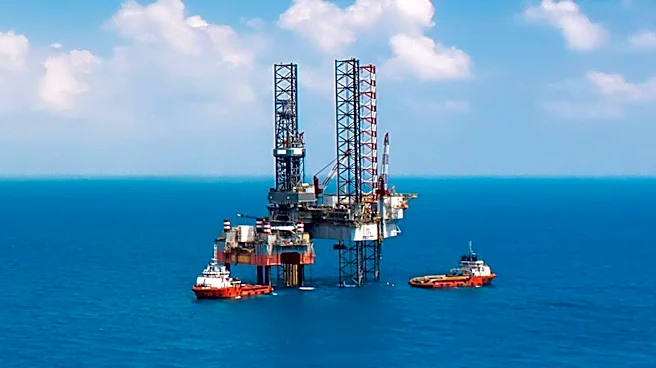
Ivory Coast is currently undergoing a significant acceleration in its offshore oil and gas activities, attracting new operators and increasing demand for specialized support services. This surge in activity has led to a multiplication of tenders and consultations
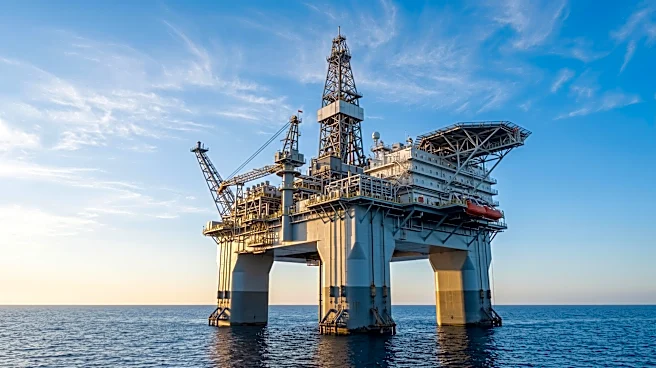
within the sector. Companies like CIS Group, which specializes in remote site services, are experiencing a substantial increase in operations. For instance, CIS Ivory Coast, which began its offshore activities in 2023 with a single operation, is now managing several simultaneous operations. This expansion necessitates stronger organization, tighter logistics, and rapid mobilization capabilities for services such as offshore catering, accommodation, and on-site support. The oil and gas boom is creating more opportunities but also higher demands for quality, safety, responsiveness, and competitiveness from service providers. The country's strategic position in West Africa and emerging energy projects in the region are contributing to this growth.
Why It's Important?
The rapid growth in Ivory Coast's offshore oil and gas sector is a significant economic development with far-reaching implications. This boom is not only attracting major energy operators but also stimulating a robust ecosystem of support services, creating jobs and fostering local economic development. The increased demand for specialized services, from logistics to catering and accommodation, indicates a broader economic ripple effect. For service companies, this presents substantial growth opportunities, but it also raises the bar for operational excellence, requiring them to meet stringent international standards for quality, safety, and efficiency. Furthermore, the emphasis on local content and the development of local workforce skills and suppliers is becoming increasingly central. This focus ensures that the economic benefits of the offshore boom are distributed within the country, contributing to sustainable development and reducing reliance on foreign expertise. The growth positions Ivory Coast as a key energy player in West Africa, potentially influencing regional energy markets and investment flows.
What's Next?
The offshore oil and gas sector in Ivory Coast is projected to continue its strong growth in the coming years, with a sustained increase in exploration and production activities. This will likely lead to further expansion of support services, requiring continuous investment in infrastructure, technology, and human capital. Service providers will need to enhance their operational capabilities, optimize logistics, and strengthen their local organizations to meet the rising demands and competitive landscape. A key focus will be on developing local content, including training Ivorian teams and expanding the network of local suppliers and partners. This will ensure that the benefits of the energy boom are localized and contribute to long-term economic development. The industry will also need to navigate the ongoing energy transition, balancing the development of oil and gas resources with increasing environmental and technological challenges. Companies will aim to improve efficiency and reduce their environmental impact while supporting the country's energy needs.
Beyond the Headlines
The acceleration of offshore oil and gas activities in Ivory Coast carries deeper implications beyond immediate economic gains. It highlights the complex balance between resource exploitation and environmental stewardship, especially in a period of global energy transition. The increased industrial activity offshore could raise concerns about marine ecosystems and the potential for environmental impact, necessitating robust regulatory oversight and sustainable practices. Socially, the influx of new projects and personnel can create both opportunities and challenges for local communities, including issues related to labor, infrastructure, and social equity. The emphasis on local content, while beneficial for economic development, also requires careful management to ensure fair labor practices and equitable distribution of wealth. Furthermore, the strategic importance of Ivory Coast as an energy player in West Africa could reshape regional geopolitical dynamics, influencing trade relationships and security considerations. The long-term success of this sector will depend on its ability to integrate international expertise with strong local capabilities while addressing environmental and social responsibilities.