







What's Happening?
Interval training, a workout method characterized by alternating short bursts of high-intensity exercise with recovery periods, is highlighted as a versatile option for individuals seeking to improve their fitness. According to fitness experts, this method can
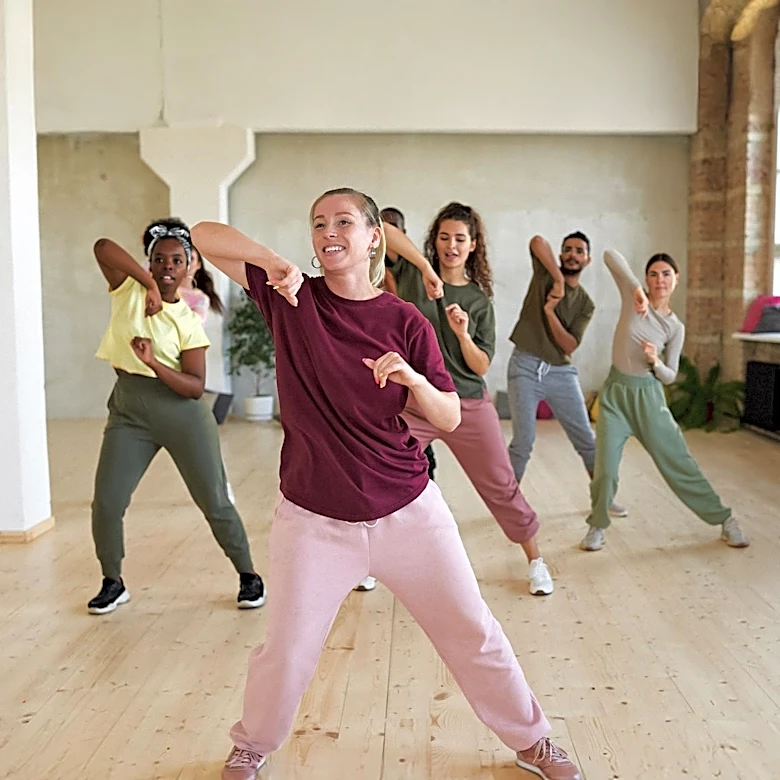
be applied to various activities such as indoor rowing, cycling, running, and functional movements. Noam Tamir, CSCS, founder and CEO of TS Fitness in New York City, notes that interval training allows participants to work hard for a short duration followed by rest. This approach is adaptable to different fitness levels and goals, making it a flexible component of a balanced weekly workout routine. The Centers for Disease Control and Prevention (CDC) recommends adults engage in at least 150 minutes of moderate-intensity physical activity per week, alongside at least two days of strength training. Interval training can contribute significantly to meeting these cardiovascular recommendations, offering an efficient way to elevate heart rate and improve endurance. The method is also incorporated into various cardio classes, including HIIT, indoor cycling, and kickboxing, providing structured environments for participants.
Why It's Important?
The importance of interval training lies in its efficiency and adaptability, making it a valuable tool for a broad spectrum of individuals in the U.S. aiming to maintain or improve their health. For those with limited time, interval workouts can provide significant cardiovascular benefits in shorter durations compared to steady-state cardio. This efficiency can help more Americans meet recommended physical activity guidelines, potentially leading to improved public health outcomes such as reduced risk of chronic diseases. The versatility of interval training also means it can be integrated into diverse fitness preferences and equipment availability, from home workouts to gym classes, thereby increasing accessibility to effective exercise. Furthermore, by offering varied and challenging routines, interval training can help combat workout plateaus and maintain motivation, which is crucial for long-term adherence to exercise programs. This method supports a balanced fitness regimen that includes both cardiovascular and strength components, contributing to overall physical well-being.
What's Next?
As awareness of efficient workout methods grows, interval training is likely to continue its prominence in fitness programs and offerings across the U.S. Fitness professionals and gyms may further integrate diverse interval training formats into their schedules, catering to various fitness levels and interests. The development of new fitness technologies and apps could also enhance the accessibility and personalization of interval workouts, allowing individuals to track progress and receive tailored guidance. We may see an increase in specialized interval training studios or programs that focus on specific equipment or modalities, such as rowing or cycling-based interval classes. Additionally, as research continues to explore the physiological benefits of different exercise intensities, there may be further refinement in recommendations for optimal interval training protocols, influencing how these workouts are designed and implemented for general health and athletic performance.
Beyond the Headlines
Beyond its immediate fitness benefits, the widespread adoption of interval training reflects a broader cultural shift towards optimizing time and maximizing efficiency in daily routines. In a fast-paced society, the appeal of achieving significant health benefits in shorter workout durations resonates with many individuals juggling multiple responsibilities. This trend also highlights a growing understanding of exercise physiology, moving beyond the traditional view of long, steady-state cardio as the sole path to cardiovascular health. The emphasis on alternating intensity and recovery periods in interval training can also foster a more mindful approach to exercise, encouraging individuals to listen to their bodies and manage exertion levels effectively. This method may also contribute to a more inclusive fitness landscape, as its adaptability allows for modifications that can accommodate different physical capabilities, potentially encouraging more people to engage in regular physical activity regardless of their starting fitness level.