





What's Happening?
Two sisters have established a small business, 'Travel Far Now Vintage,' focused on reselling vintage items sourced from thrift stores, estate sales, antique malls, and flea markets. They emphasize that the business is more complex than simply finding
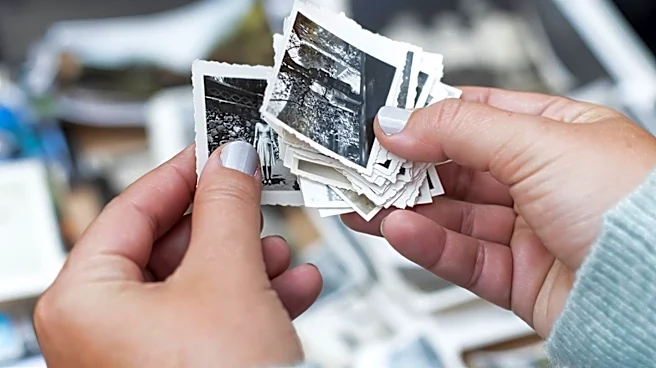
an item and listing it online. Their process involves extensive searching, often in challenging environments like mold-infested shelves or dusty boxes, to find high-quality items. They dedicate significant time, sourcing items three to five times a week, and apply specific criteria for what they purchase and how much they are willing to spend. Pricing is described as an art, considering quality, rarity, and acquisition cost, alongside current market trends and 'sold rates' of similar items. The business also involves considerable 'hidden labor,' including cleaning, restoring, researching historical context, crafting compelling listings, and promoting items on social media. These efforts, along with operational costs like gas, shipping, and platform fees, contribute to the final markup on items.
Why It's Important?
This small business narrative highlights the entrepreneurial spirit and the intricate realities of the vintage reselling market in the U.S. It demonstrates how individuals can transform personal passions into viable businesses, contributing to the circular economy by giving new life to old items. The detailed account of their operational challenges, from sourcing to pricing and marketing, offers valuable insights for aspiring small business owners. The discussion on the ethics of reselling, particularly regarding markups on items acquired at low prices, touches upon broader societal perceptions of value, labor, and profit in the secondhand market. It underscores the argument that the 'service' of finding, curating, and connecting items with appreciative buyers justifies the markup, challenging the notion that reselling is merely exploiting price discrepancies. This business model also supports sustainability by promoting reuse and reducing waste, aligning with growing consumer interest in eco-friendly practices.
What's Next?
The vintage reselling market is likely to continue evolving, driven by online platforms and increasing consumer demand for unique and sustainable products. Businesses like 'Travel Far Now Vintage' will need to continuously adapt to changing market trends, sourcing challenges, and competitive pricing. They may explore new online channels or physical pop-up events to reach a wider audience. The ethical considerations surrounding reselling will remain a topic of discussion, potentially leading to greater transparency in pricing or sourcing practices within the industry. As the business grows, the sisters may need to scale their operations, potentially hiring staff or investing in more efficient restoration and marketing tools. Their success could also inspire more individuals to enter the vintage reselling space, further expanding the market and its impact on consumer culture and environmental sustainability.
Beyond the Headlines
The story of 'Travel Far Now Vintage' delves into the cultural significance of vintage items and the emotional connections people form with them. The sisters' motivation, stemming from their mother's collection, illustrates how personal history and sentiment can fuel entrepreneurial ventures. The act of 'finding gems in the junk' and 'reviving objects' speaks to a deeper human desire for nostalgia, uniqueness, and storytelling through possessions. This business is not just about transactions; it's about preserving history, craftsmanship, and cultural memory. The ethical debate surrounding markups also reflects a broader societal conversation about the value of labor, expertise, and curation in a market often perceived as purely transactional. It challenges consumers to consider the unseen efforts involved in bringing a vintage item from obscurity to a cherished possession, highlighting the artistic and historical appreciation inherent in the vintage trade.