


What's Happening?
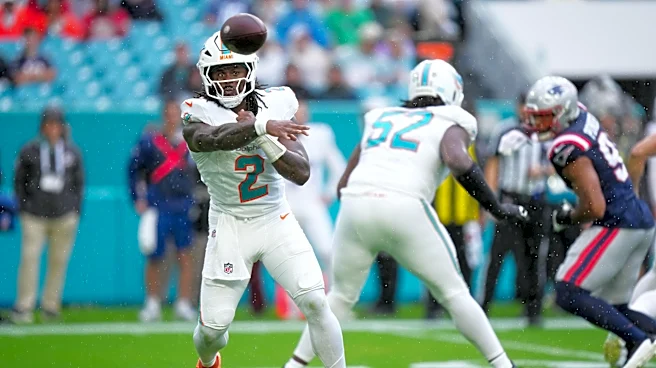
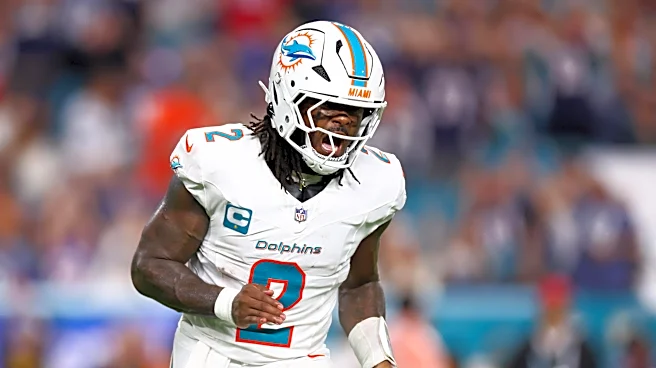
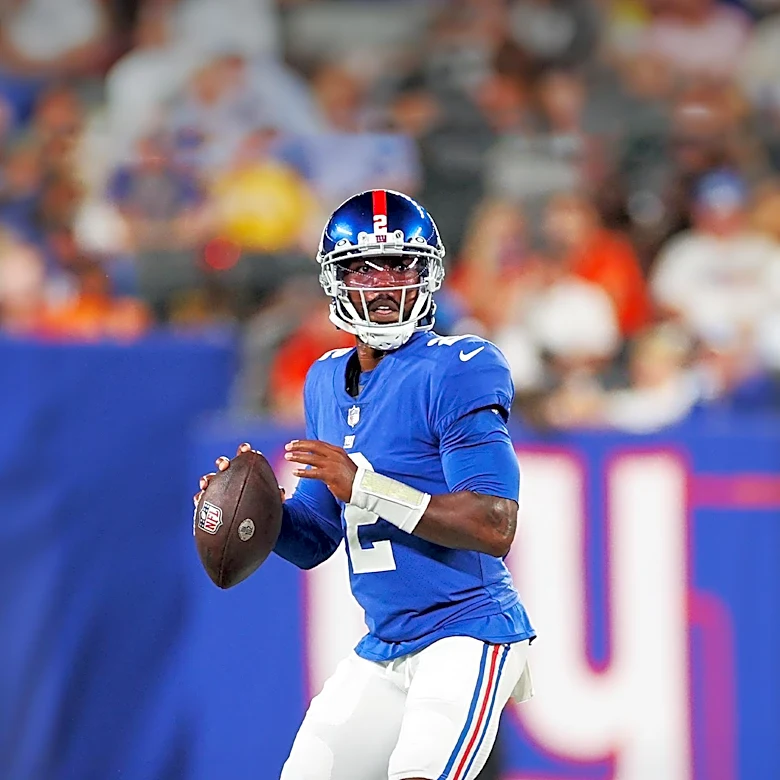
The Miami Dolphins are experiencing a challenging 2026 NFL season, currently holding a 1-6 record as they head into Week 9. The team's performance has been subpar on both offense and defense. Offensively, quarterback Malik Willis, despite his rushing
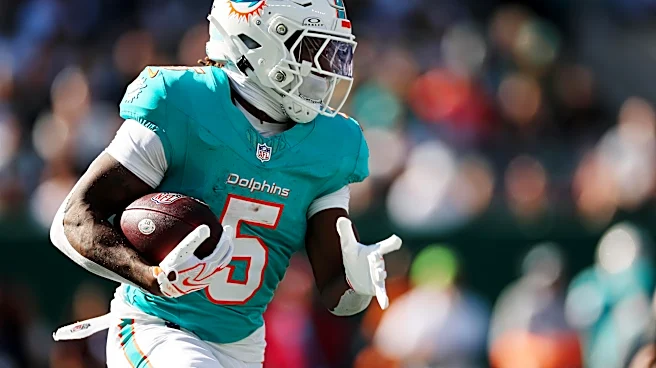
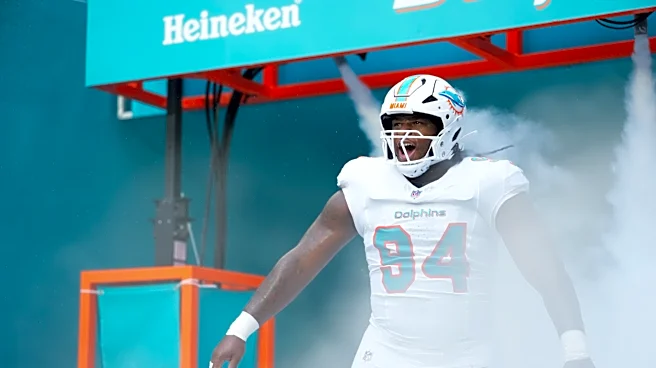
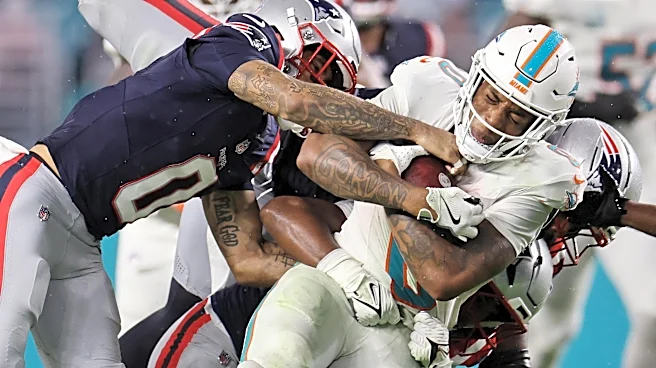
ability, has struggled with passing, throwing for six touchdowns and five interceptions, averaging 181.1 yards per game. The offensive line has been a major concern, ranking second-lowest in pass-blocking grade and allowing Willis to be sacked 21 times, the seventh-highest in the NFL. Running back Ollie Gordon II has emerged as a key player, stepping up after De’Von Achane's season-ending ACL injury in Week 3, averaging 4.5 yards per carry with 408 yards and four rushing touchdowns. Defensively, the Dolphins are tied for the fewest sacks in the NFL with nine and have allowed the highest completion percentage (76.9 percent). Their run defense is ranked 31st by PFF, and the team has recorded 47 missed tackles, the eighth most in the league. Key injuries include RB De’Von Achane (IR) and G/T Kadyn Proctor (concussion protocol). The team recently worked out eight players in an effort to improve the roster.
Why It's Important?
The Dolphins' struggles in the 2026 season have significant implications for the franchise's immediate future and long-term strategy. A 1-6 record places them among the league's worst teams, potentially positioning them for a high pick in the 2027 NFL Draft. This poor performance could lead to substantial roster changes and strategic shifts in the offseason, as the team aims to rebuild and become competitive. The offensive line's inability to protect the quarterback and create running lanes directly impacts the team's ability to sustain drives and score points, hindering the development of young players like Malik Willis. On defense, the lack of pressure on opposing quarterbacks and poor run defense makes it difficult to stop opponents, leading to consistent losses. The team's ongoing efforts to work out new players mid-season highlight a recognition of current roster deficiencies and an urgent need for improvement. The performance of emerging players like Ollie Gordon II, however, offers a glimmer of hope for future offensive stability.
What's Next?
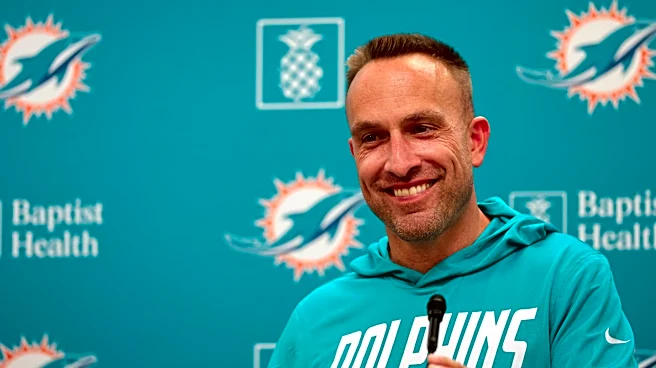
As the Miami Dolphins continue through the 2026 season, their immediate focus will be on their Week 9 matchup against the Detroit Lions. Given their current 1-6 record, the team is likely to continue evaluating its roster and coaching staff. General Manager Jon-Eric Sullivan and Head Coach Jeff Hafley may continue to make roster adjustments, potentially signing players from recent workouts to address immediate needs. The team's performance in the remaining games will be crucial for assessing individual player capabilities and identifying areas for significant improvement in the offseason. With a high draft pick becoming increasingly probable, the front office will begin to strategize for the 2027 NFL Draft, aiming to acquire talent that can address critical weaknesses, particularly on the offensive line and in the defensive secondary. Decisions regarding the long-term roles of current players and potential coaching changes will likely be made after the season concludes, as the organization looks to establish a more competitive foundation.
Beyond the Headlines
The Miami Dolphins' challenging 2026 season extends beyond just on-field performance, touching upon broader organizational strategies and fan engagement. The team's current trajectory suggests a period of significant rebuilding, which can test the patience of the fanbase and impact ticket sales and local enthusiasm. The struggles of a young quarterback like Malik Willis, while partly due to offensive line issues, also highlight the immense pressure placed on developing signal-callers in the NFL. The team's approach to player development, particularly for its draft picks and young talent, will be under scrutiny. Furthermore, the continuous turnover of the roster, as evidenced by the frequent player workouts, indicates a search for foundational pieces, but also points to a lack of established depth and talent. This period of evaluation and potential overhaul could redefine the team's identity for years to come, emphasizing the importance of strategic drafting, effective coaching, and sustained player development to regain competitiveness in the AFC East.