









What's Happening?
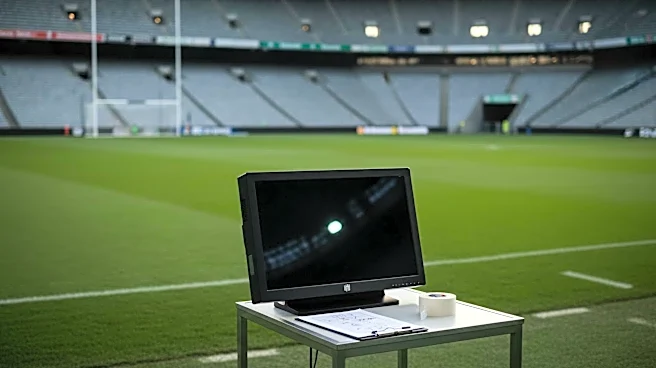
Dublin manager Ger Brennan has called for the Gaelic Athletic Association (GAA) to introduce video technology to assist officials in making key decisions. This appeal follows Dublin's defeat by Kerry in the All-Ireland Senior Football Championship semi-final.
Brennan highlighted three critical decisions that he believes went against his team, including an early penalty awarded to Kerry, a second goal that could have been disallowed for a 'square ball', and a disputed goal attempt by Ross McGarry. Brennan argues that the use of video technology, similar to VAR in soccer, could have altered these decisions. Despite acknowledging his team's poor shooting accuracy, Brennan insists that video assistance is necessary to ensure fair play and accurate officiating in crucial moments.
Why It's Important?
The call for video technology in GAA games underscores a broader trend in sports towards using technology to enhance fairness and accuracy in officiating. Implementing such technology could significantly impact the outcome of games, potentially altering the competitive landscape. For players and teams, this could mean a more level playing field, reducing the influence of human error in critical match decisions. For the GAA, adopting video technology could enhance the sport's credibility and appeal, aligning it with other major sports that have embraced technological aids. This move could also influence public perception, as fans and stakeholders increasingly demand transparency and accuracy in sports officiating.
What's Next?
If the GAA decides to implement video technology, it would likely involve a phased introduction, starting with high-profile matches to test its effectiveness. The decision could prompt discussions among stakeholders, including players, coaches, and officials, about the best practices for integrating technology into the sport. Additionally, there may be logistical and financial considerations, such as the cost of equipment and training for officials. The GAA's response to Brennan's call could set a precedent for other sports organizations facing similar demands for technological integration.