





What's Happening?
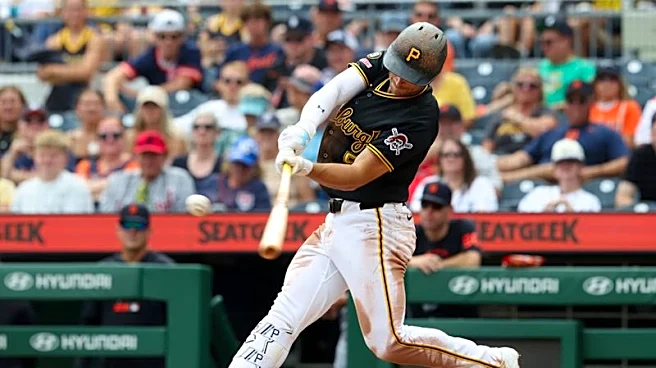
A national broadcast of the Chicago Cubs game against the Seattle Mariners on Fox TV has been moved due to a scheduling conflict. The game was originally slated for a Fox Sports national broadcast but was re-routed to Fox Chicago+ (WPWR-50). This change
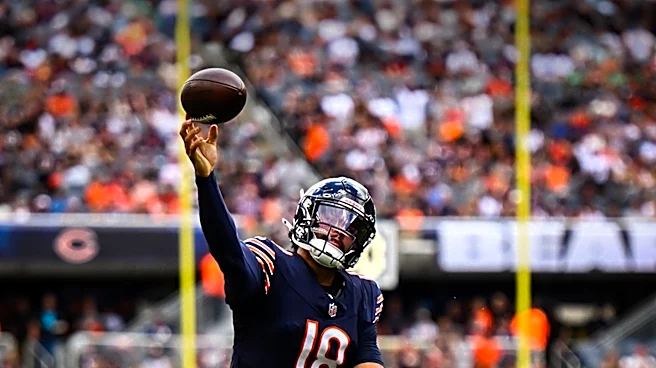
was necessitated by the Chicago Bears' preseason game, which is scheduled to air on Fox-32. Viewers looking to watch the Cubs-Mariners game will need to tune into Fox Chicago+ or utilize streaming services. The game will also be available for streaming on platforms such as YouTube TV, Hulu + Live TV, the Fox Sports app, and the Fox One app. This adjustment ensures that both major sporting events can be broadcast, albeit on different channels for the Cubs game.
Why It's Important?
This broadcast shift highlights the complexities of sports broadcasting rights and scheduling, particularly when multiple popular local teams share a network. For Chicago sports fans, it means navigating different channels and streaming options to catch their preferred game, potentially causing inconvenience or confusion for those unaware of the change. For Fox, it demonstrates the strategic decisions involved in prioritizing broadcasts, with the Bears' preseason game seemingly taking precedence on the main Fox-32 channel. This situation can impact viewership numbers for both events and influence how networks allocate resources and advertising during overlapping schedules. It also underscores the growing importance of streaming platforms in providing alternative viewing avenues for sports content, catering to a diverse audience with varying access to traditional television channels.
What's Next?
Fans of the Chicago Cubs and Seattle Mariners will need to adjust their viewing plans for the affected game, either by finding Fox Chicago+ (WPWR-50) on their cable providers or accessing one of the specified streaming services. This event may lead to increased awareness among viewers about alternative broadcast channels and streaming options for sports. For broadcasters, it could prompt further evaluation of scheduling strategies to minimize conflicts and ensure maximum audience reach for key sporting events. The reliance on streaming platforms as a backup or primary viewing method is likely to continue growing, influencing future broadcast deals and content distribution models in the sports industry.
Beyond the Headlines
The incident subtly reflects the evolving landscape of media consumption, where traditional linear television is increasingly complemented by, and sometimes superseded by, digital streaming. This shift impacts not only how content is delivered but also how audiences engage with it. For sports, it means a more fragmented but potentially more accessible viewing experience. The decision to prioritize a preseason football game over a regular-season baseball game could also indicate the perceived market value and audience draw of different sports, even within the same city. This dynamic can influence future negotiations for broadcast rights and the overall financial ecosystem of professional sports, pushing leagues and teams to consider multi-platform distribution strategies to reach their fan bases effectively.