











What's Happening?
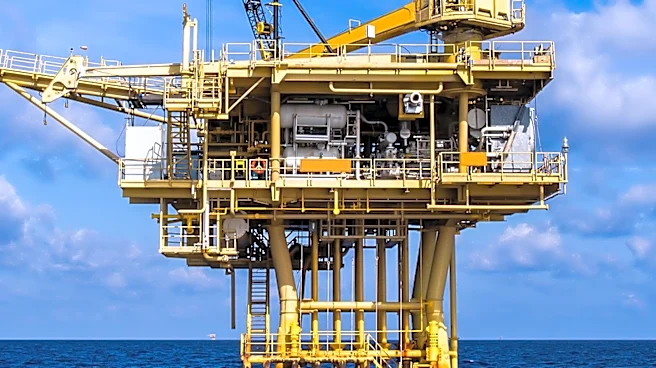
The offshore oil and gas industry is facing increasing costs and environmental scrutiny in well decommissioning, prompting operators to seek more efficient and safer methods. A new approach using modular, single-trip decommissioning systems is gaining
traction. These systems, such as the SEABASS developed by James Fisher and Sons, are designed to improve operational efficiency and reduce costs by eliminating the need for mobile offshore drilling units. The SEABASS system is adaptable for both subsea and mudline well applications, allowing for environmental barrier placement without the extensive use of traditional rigs. This innovation is particularly relevant in regions like the Gulf of Mexico and the UK Continental Shelf, where aging well inventories and regulatory pressures demand more sustainable decommissioning solutions.
Why It's Important?
The adoption of modular decommissioning systems like SEABASS is significant for the U.S. and global offshore industries as it addresses the dual challenges of cost and environmental impact. By reducing the reliance on expensive drilling units, these systems can lower operational costs and minimize environmental risks associated with traditional decommissioning methods. This is crucial as regulatory bodies, such as the U.S. Bureau of Safety and Environmental Enforcement, increasingly demand evidence of safe and environmentally sound practices. The ability to efficiently decommission aging wells also supports the broader energy transition by facilitating the responsible closure of fossil fuel infrastructure, potentially freeing up resources for renewable energy projects.
What's Next?
As the industry continues to evolve, the focus will likely remain on developing and deploying technologies that enhance the safety and efficiency of well decommissioning. Regulatory bodies may further refine their frameworks to encourage the adoption of innovative solutions like SEABASS. Operators are expected to collaborate with technology providers to demonstrate the effectiveness of these systems in meeting regulatory standards. The success of these technologies in regions like the North Sea could serve as a model for other areas, potentially leading to wider adoption and further advancements in decommissioning practices.
Beyond the Headlines
The shift towards modular decommissioning systems reflects a broader trend in the oil and gas industry towards innovation and sustainability. This approach not only addresses immediate operational challenges but also aligns with global efforts to reduce carbon emissions and environmental impact. The development and deployment of such technologies could also stimulate economic activity by creating new markets and job opportunities in the engineering and environmental sectors. Additionally, the successful implementation of these systems may influence policy discussions around the future of offshore energy production and decommissioning.