





What's Happening?
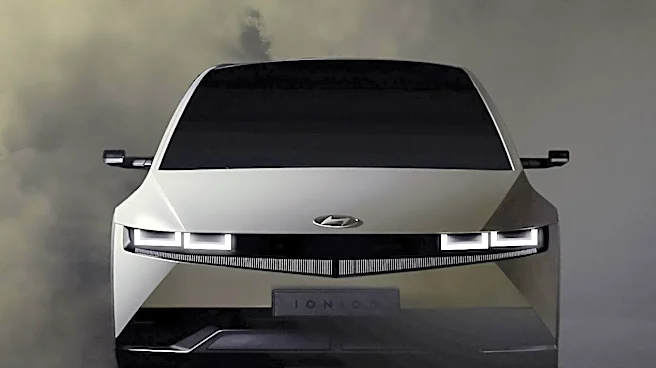
Hyundai Motor Group has announced a two-year delay in the launch of its proprietary driver-assistance software, pushing the timeline to late 2029. Concurrently, the automaker is forging a partnership with Nvidia to implement advanced autonomous systems
in its vehicles starting in 2028. This strategic shift indicates the complexities and challenges associated with developing sophisticated automated driving software internally. Hyundai's plan involves co-designing technology with Nvidia and leveraging data to refine its own software platform. The company aims to accumulate a significant amount of driving data, aspiring to surpass its competitors in this aspect by 2033, as it continues its pursuit of autonomous driving capabilities.
Why It's Important?
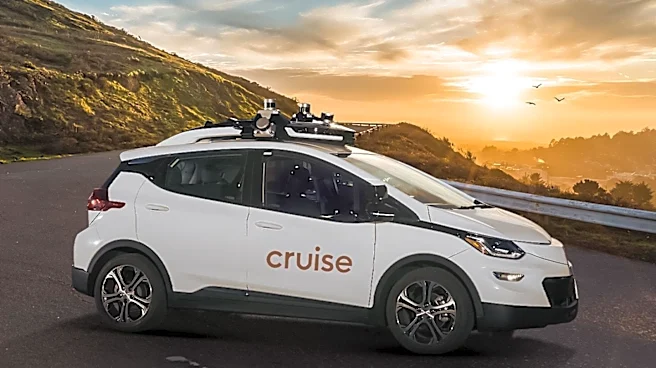
This development is significant for the automotive industry, particularly in the competitive landscape of autonomous driving technology. Hyundai's decision to delay its in-house software and collaborate with Nvidia underscores the immense technical hurdles and resource intensity involved in developing reliable self-driving systems. It highlights a growing trend where traditional automakers are increasingly relying on specialized tech companies like Nvidia for critical components and expertise in artificial intelligence and software development. This partnership could accelerate Hyundai's progress in autonomous driving, potentially allowing it to deploy advanced features sooner than if it relied solely on internal development. For consumers, this could mean earlier access to more sophisticated driver-assistance features in Hyundai vehicles. For the broader industry, it signals a potential consolidation of technology providers and a shift towards more collaborative development models in the race for autonomous vehicles.
What's Next?
Hyundai will proceed with its partnership with Nvidia, aiming to integrate advanced autonomous systems into its vehicles by 2028. Concurrently, the company will continue its internal development efforts, with the goal of launching its own driver-assistance software by late 2029. The focus will be on co-designing technology and extensively collecting driving data to enhance its proprietary software platform. This dual approach suggests a strategy to leverage external expertise for near-term deployment while building long-term in-house capabilities. Competitors will likely monitor Hyundai's progress closely, potentially influencing their own strategies regarding internal development versus external partnerships. The success of this collaboration could set a precedent for how other automakers approach the complex and costly endeavor of autonomous vehicle development.
Beyond the Headlines
Hyundai's strategic pivot reflects a deeper industry-wide recognition of the profound challenges in achieving full autonomous driving. The immense computational power, sophisticated algorithms, and vast amounts of real-world data required often exceed the capabilities of even large automakers. This reliance on tech giants like Nvidia could lead to a more standardized, yet potentially less differentiated, autonomous driving experience across various car brands. It also raises questions about intellectual property ownership and the long-term control automakers will have over their core vehicle intelligence. Furthermore, the emphasis on accumulating driving data by 2033 points to the critical role of data in refining AI models, highlighting the ethical and privacy considerations associated with collecting and utilizing such extensive personal and environmental information. This shift could redefine the automotive value chain, placing software and AI at the forefront of vehicle innovation.